SELECTION GUIDE
Choose by Use Case, Not by Size Alone
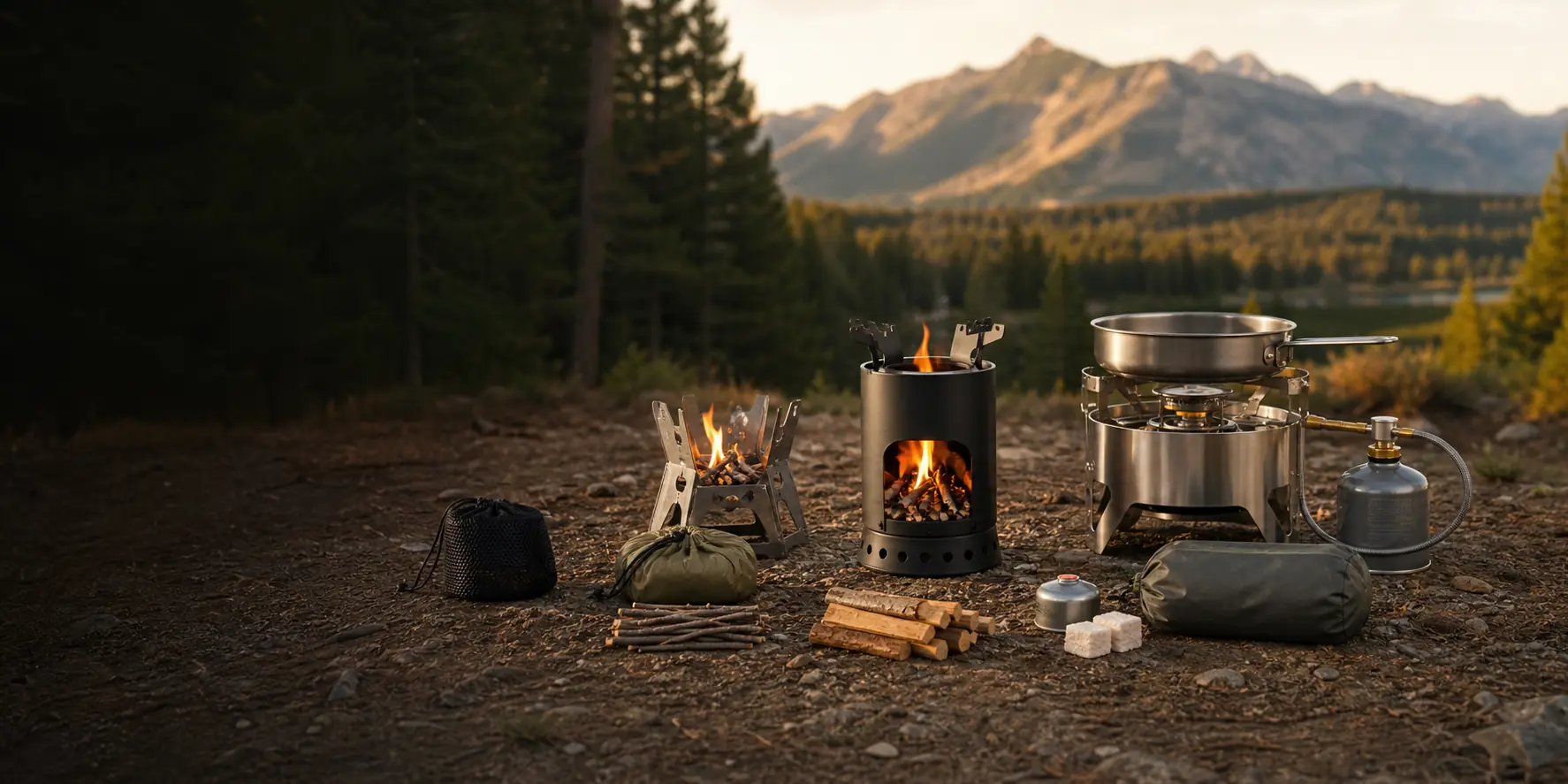
Choosing the right camping stove depends on where it will be used, what fuel is available, how much cooking power is needed, and how the product will be packed or sold.
For outdoor brands and distributors, the right choice is not always the smallest stove or the highest flame output. It is the model that fits the target user, price range, packaging plan, and repeat-order market.
1. Start with the Use Scenario
Different camping users need different stove structures.
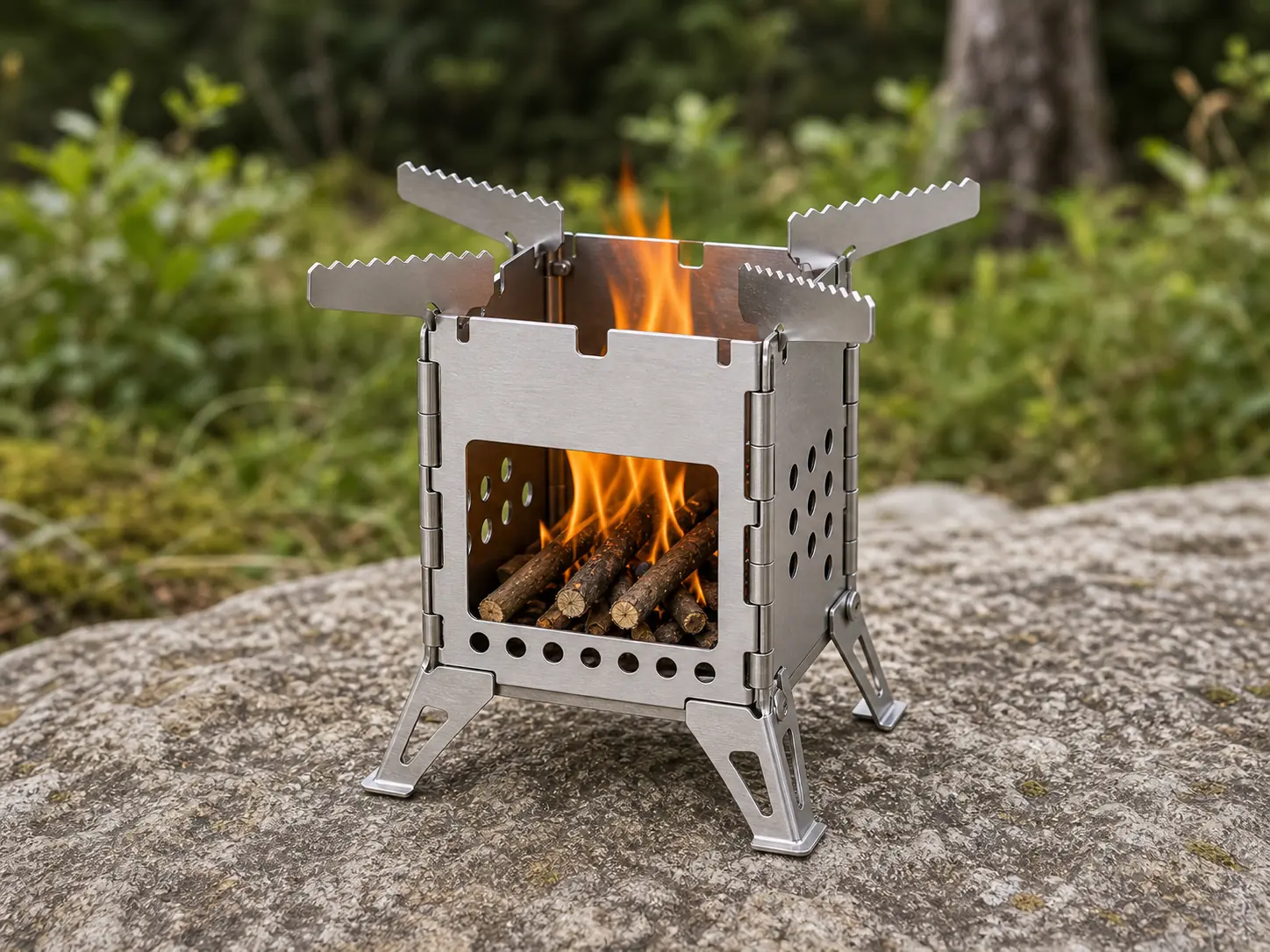
For solo hiking or compact camping kits, lightweight folding stoves are often the right choice. They are easy to pack, simple to assemble, and suitable for boiling water or cooking small meals.
For family camping, a larger firebox or more stable pot support usually works better. Users often need to cook for several people, support larger cookware, and keep the flame stable for longer cooking sessions.
For overlanding or vehicle camping, portability still matters, but weight is less critical. A heavier steel body, wider cooking surface, and accessory compatibility can be more important.
For wholesale programs, choose the stove based on your target customer first. A backpacking customer, a weekend camper, and a backyard cooking customer will not value the same features.
2. Compare Fuel Types
Fuel choice affects product design, user experience, and market positioning.
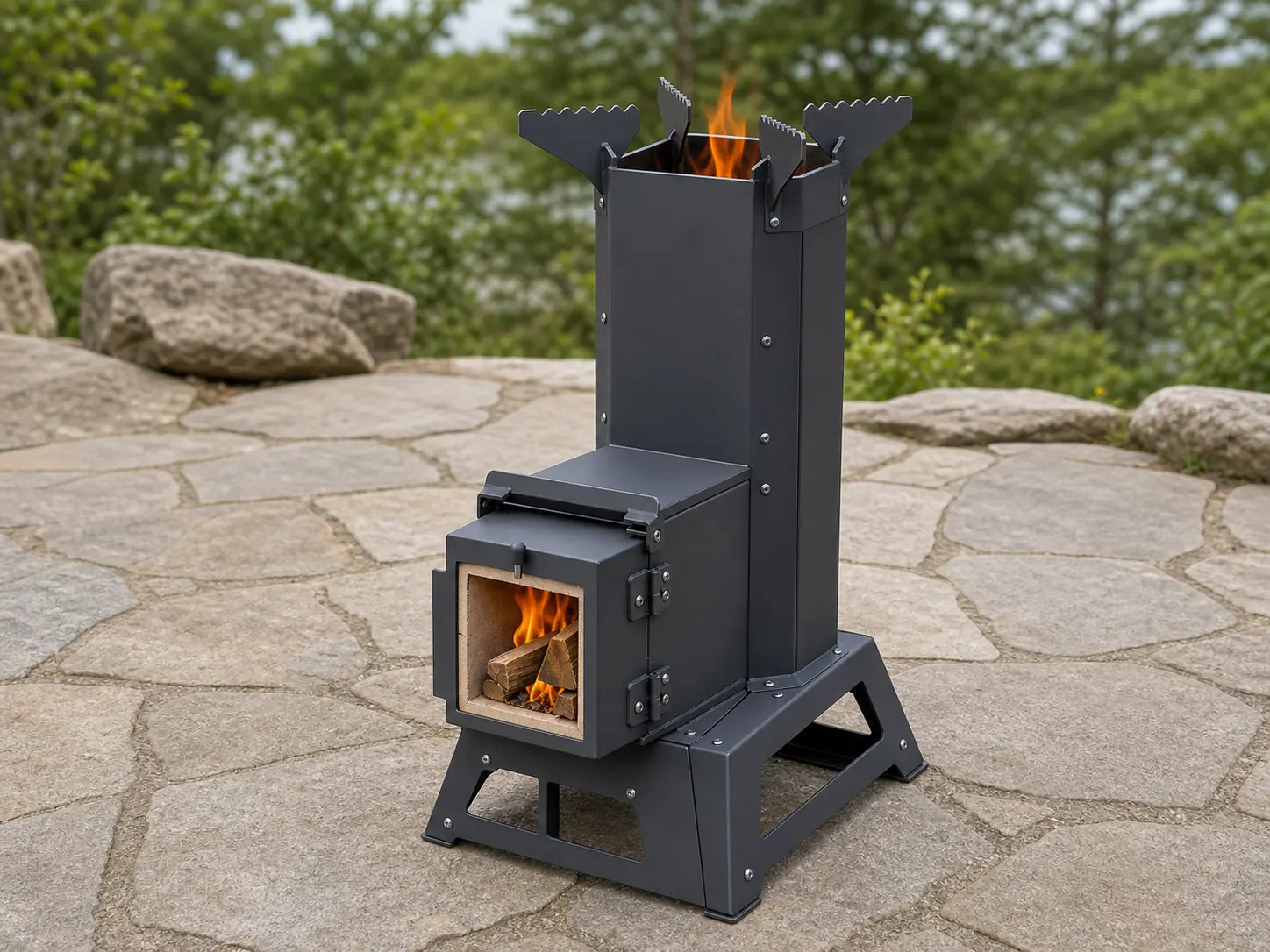
Wood-burning camping stoves are popular because fuel can often be collected outdoors. They are suitable for natural camping, bushcraft, and off-grid cooking. The key points are airflow, combustion efficiency, ash handling, and stable pot support.
Charcoal-compatible stoves are more suitable for slow cooking and grilling. They usually need more heat-resistant materials and enough ventilation for steady burning.
Pellet-compatible designs require a suitable fuel chamber and controlled airflow. Their combustion behavior should be evaluated on the selected model with the intended pellet fuel.
Before choosing a model, confirm which fuel is common in your target market. A stove that can work well in one region may not be the right choice in another region.
3. Check Size and Cooking Capacity
A camping stove should match the cooking task.
Small stoves are easy to carry and suitable for cups, kettles, and small pots. They are ideal for personal camping kits and entry-level product lines.
Medium stoves work better for two to four users. They can support larger pots and provide more stable cooking time.
Large camping stoves are more suitable for group cooking, vehicle camping, and campsite cooking setups, but they need more packaging space and more protective shipping cartons.
For wholesale buyers, size also affects carton dimensions, shipping cost, warehouse storage, and shelf display.
4. Review Material Options
Material choice affects durability, weight, price, and product positioning.
Stainless steel is corrosion-resistant and suitable for outdoor use. It is a good option for mid-range and higher-end camping stove products.
Carbon steel can offer strong structure and good heat resistance, often at a competitive cost. Surface coating and rust protection should be reviewed carefully.
Cast iron is durable and heat-retentive, but heavier. It is more suitable for stationary or vehicle-supported use rather than lightweight camping.
Lightweight alloy materials may suit portable products, but buyers should confirm heat resistance, deformation risk, and service life.
5. Look at Portability and Packing
A good camping stove should be easy to carry, assemble, clean, and store.
For OEM and private-label projects, packing is not a small detail. It affects shipping cost, customer unboxing experience, damage rate, and retail presentation.
- Foldable or nested structure
- Carry bag compatibility
- Tool-free assembly
- Stable packed shape
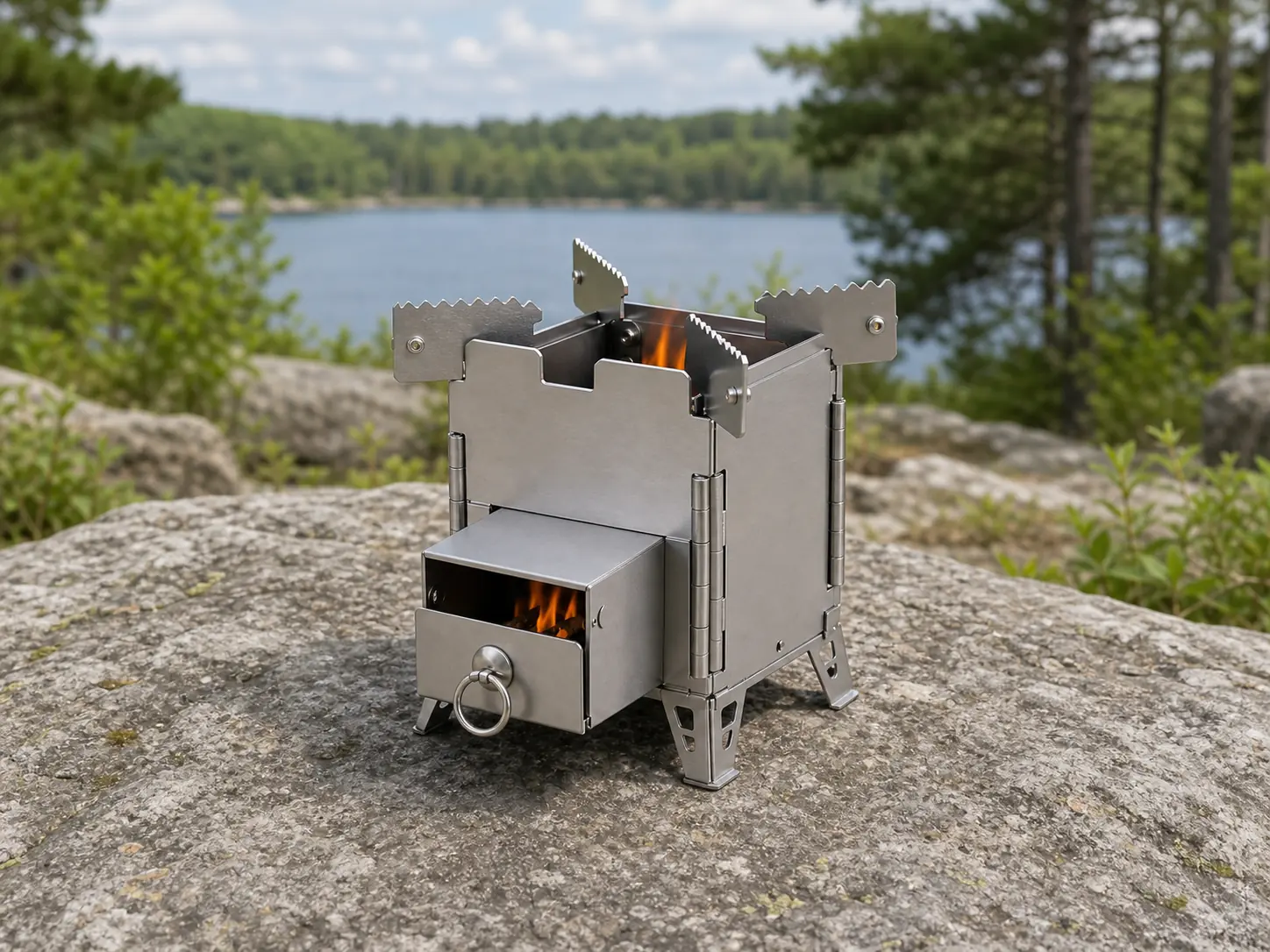
- Ash removal method
- Replacement part availability
- Carton and retail packaging size
6. Match the Stove with Cooking Style
Different customers cook in different ways.
If the user mainly boils water, the stove should have strong focused heat and stable pot support.
If the user grills food, the stove may need a wider top, grill plate, or charcoal support.
If the user cooks longer meals, airflow control, fuel loading, and heat stability become more important.
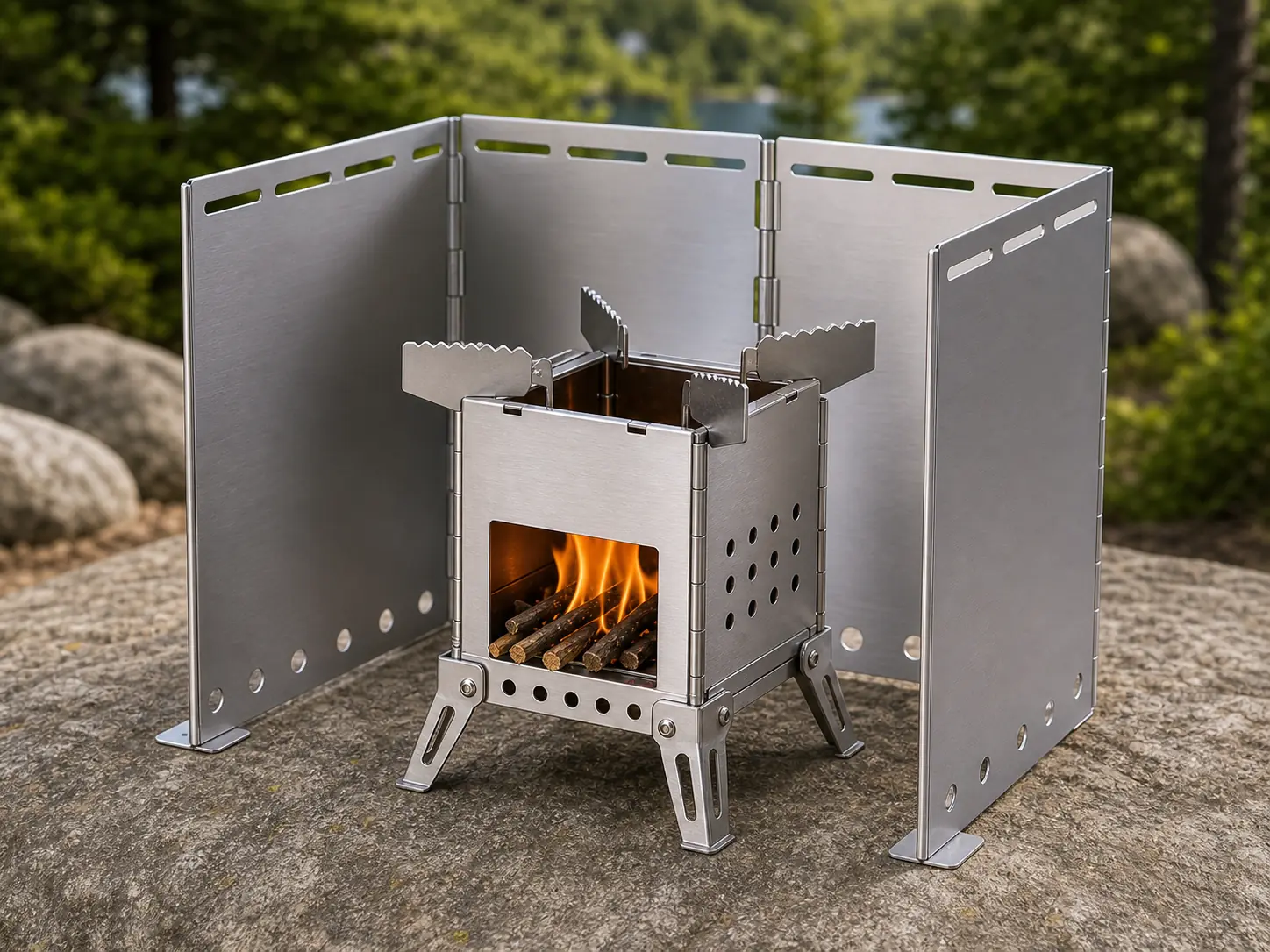
If the stove is part of a full camping product line, consider matching accessories such as grill plates, carry bags, ash pans, wind shields, and replacement parts.
7. Common Buying Mistakes
Appearance alone does not show whether a stove suits its intended use. Buyers should also review combustion behavior, pot support, materials, assembly, and packed size.
Unit price should be compared with the agreed material, finish, tolerances, inspection criteria, and packaging specification. A lower quotation may reflect a different product scope.
Distributors also need the packed carton dimensions because shipping volume can materially affect landed cost and margin.
Branding decisions are easier to finalize after the buyer has approved the base model, product specification, target price, packaging format, and order quantity.
8. Recommended Selection Method
Buyers can narrow the product range and request more relevant samples by preparing the following information before model selection.
- Target market
- Main use scenario
- Expected retail price
- Fuel type
- User group size
- Preferred material
- Packing requirement
- Logo or private-label needs
- Estimated order quantity
CONCLUSION
The Right Stove Fits the Whole Program
The right camping stove is the one that fits the user scenario, fuel availability, cooking style, packing method, and wholesale plan. For outdoor brands and distributors, product selection should balance performance, cost, durability, packaging, and customization options.
Share Your Project Requirements