
Fuel
Buyers should confirm the recommended fuel type and size for each model. Dry, appropriately sized wood generally ignites and burns more consistently than damp fuel.
CAMPSITE LIVING
Compare fire pits, camping stoves, tent stoves, and rocket stoves for camp cooking, compatible hot-tent systems, outdoor gatherings, and vehicle-based travel.
START WITH THE CUSTOMER
End users choose equipment around practical needs such as cooking, hot-tent heating, group size, available fuel, packed weight, and cleanup. Buyers can use those needs to identify the most relevant product category before comparing individual models.
Group use calls for suitable capacity, manageable ash handling, and enough clear space for seating.
Customers compare cookware support, fuel type, cooking area, and expected cooking time.
Fire pits, camping stoves, tent stoves, and rocket stoves serve different customer needs.
CHOOSE BY CAMPING SCENARIO
Each scenario connects an end-user need with the product details a buyer should confirm before requesting models or samples.
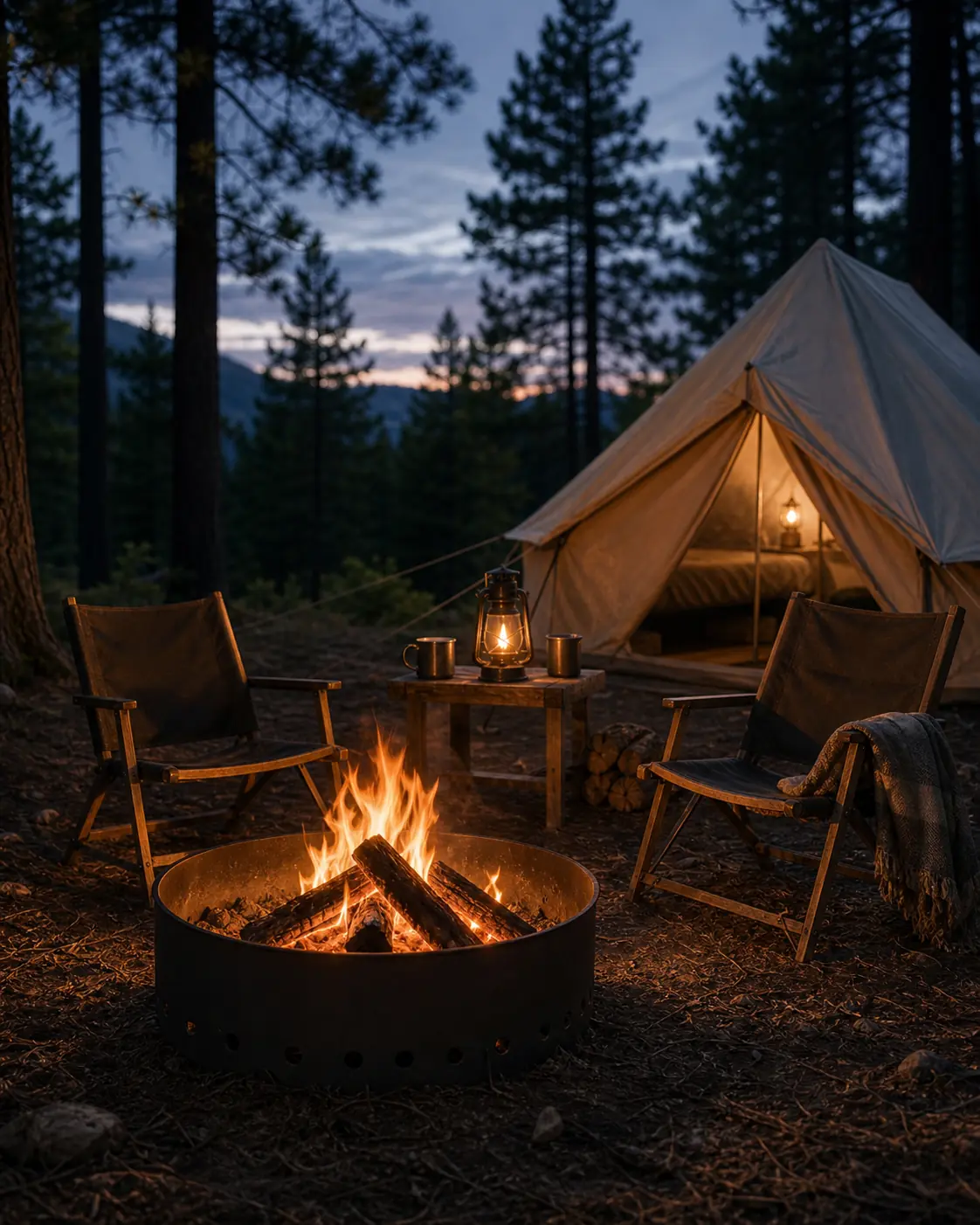
SOCIAL CAMPING
For group camps, the key considerations are fire-pit capacity, setup stability, ash handling, and the clear space required for people and seating.
View Fire Pits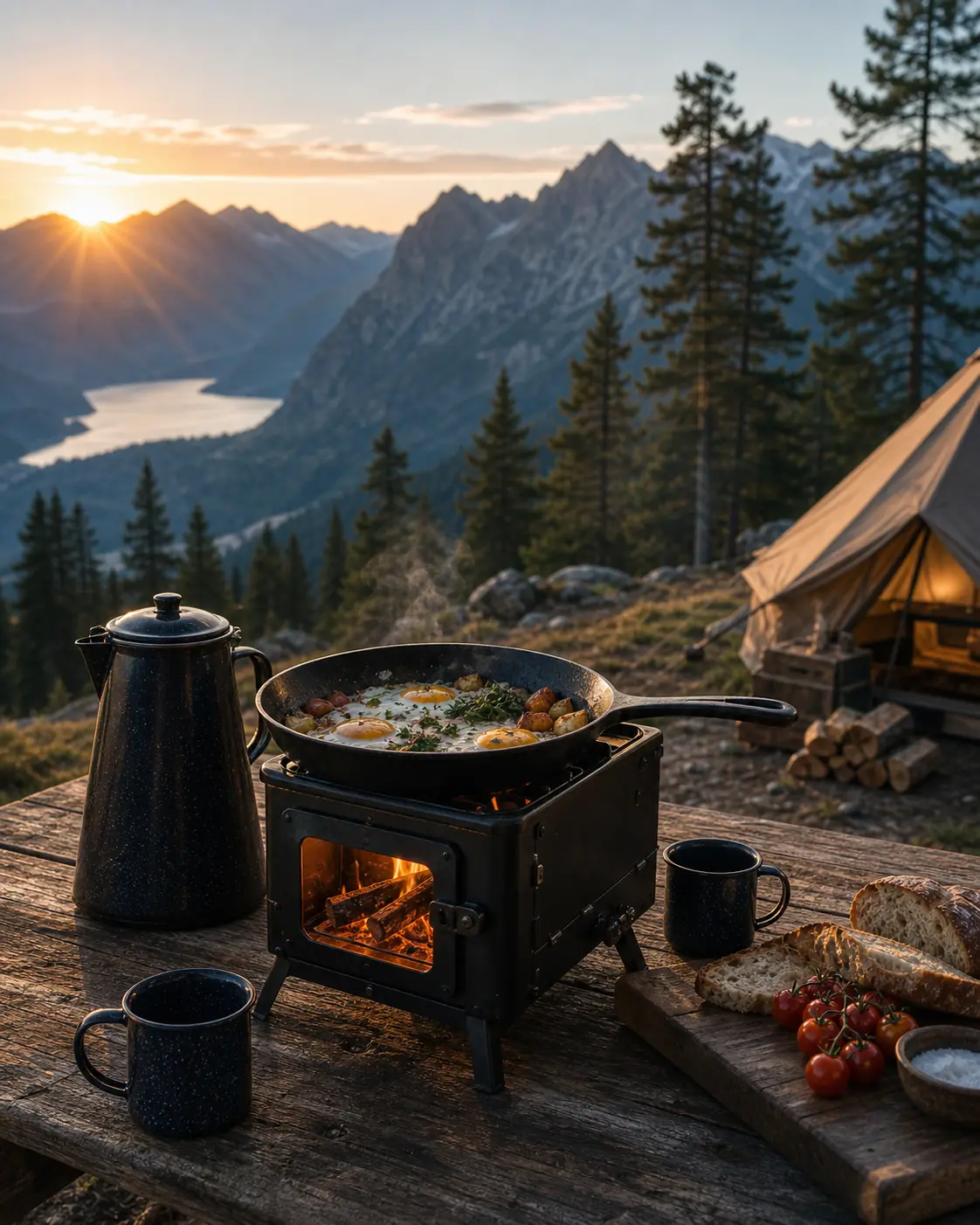
MEAL PREPARATION
For campsite meals, buyers need a stove that suits the cookware, fuel, serving size, transport limits, and wind conditions expected by their customers.
View Camping Stoves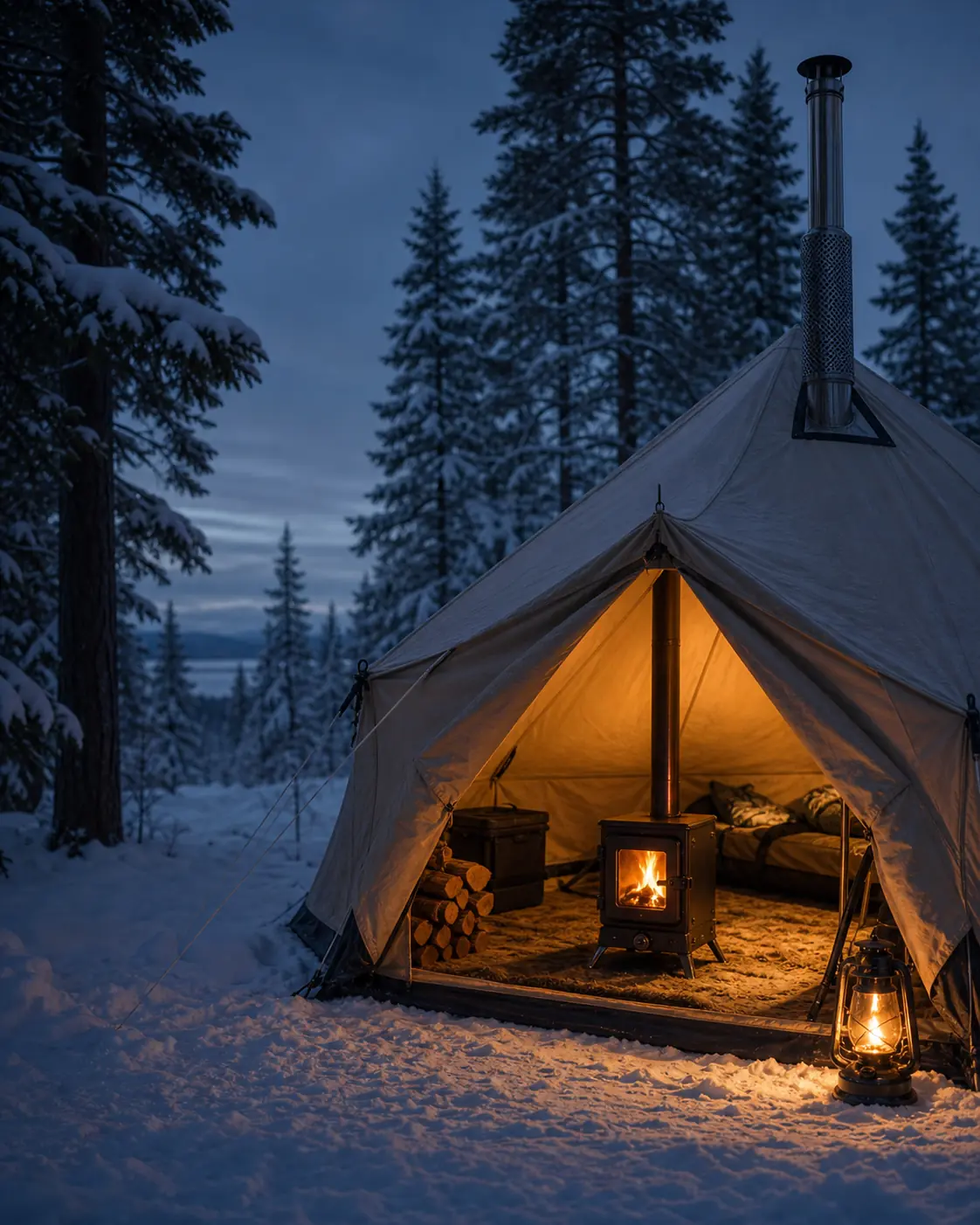
HOT-TENT SYSTEMS
A tent stove must be evaluated as part of a compatible hot-tent system, including the chimney components, ventilation, installation method, and manufacturer-specified clearances.
View Tent Stoves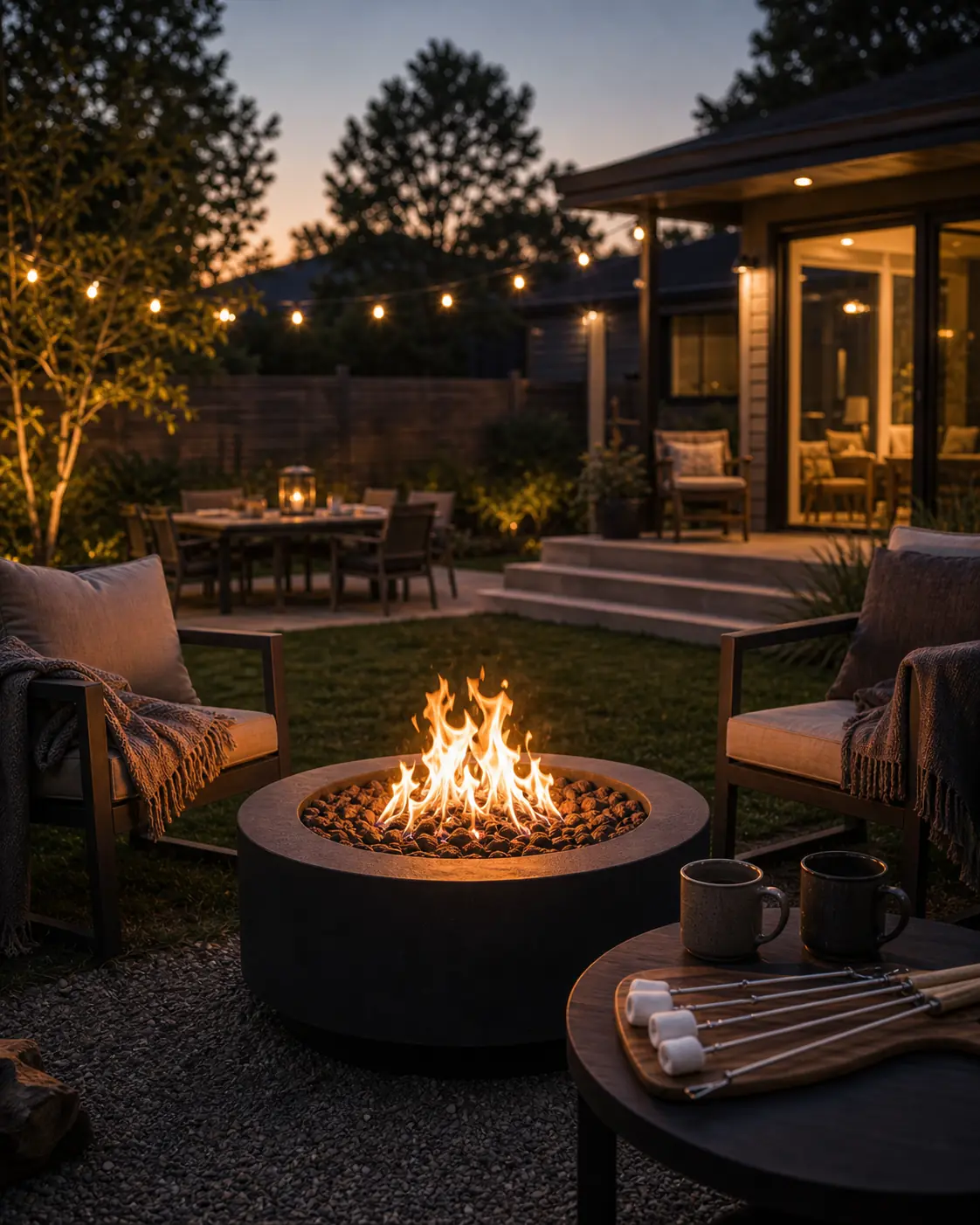
CASUAL OUTDOOR GATHERINGS
For backyard ranges, buyers usually consider visual design, fire-pit size, ash removal, surface protection, and any spark-control accessories available for the model.
View Fire Pits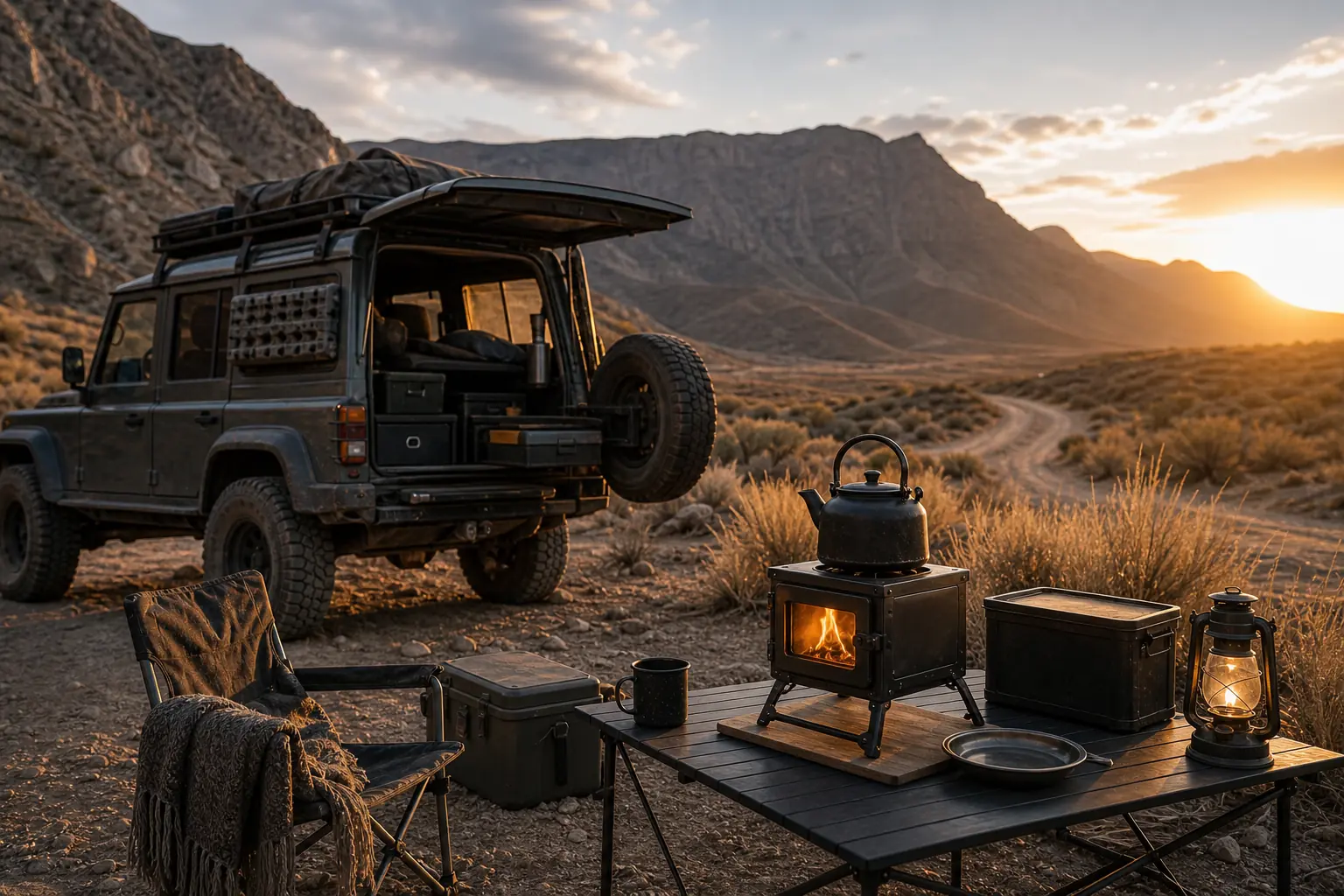
MOBILE CAMP SETUPS
Vehicle-based campers often value compact storage, manageable weight, secure component packing, and a stable setup on suitable ground.
View Camping Stoves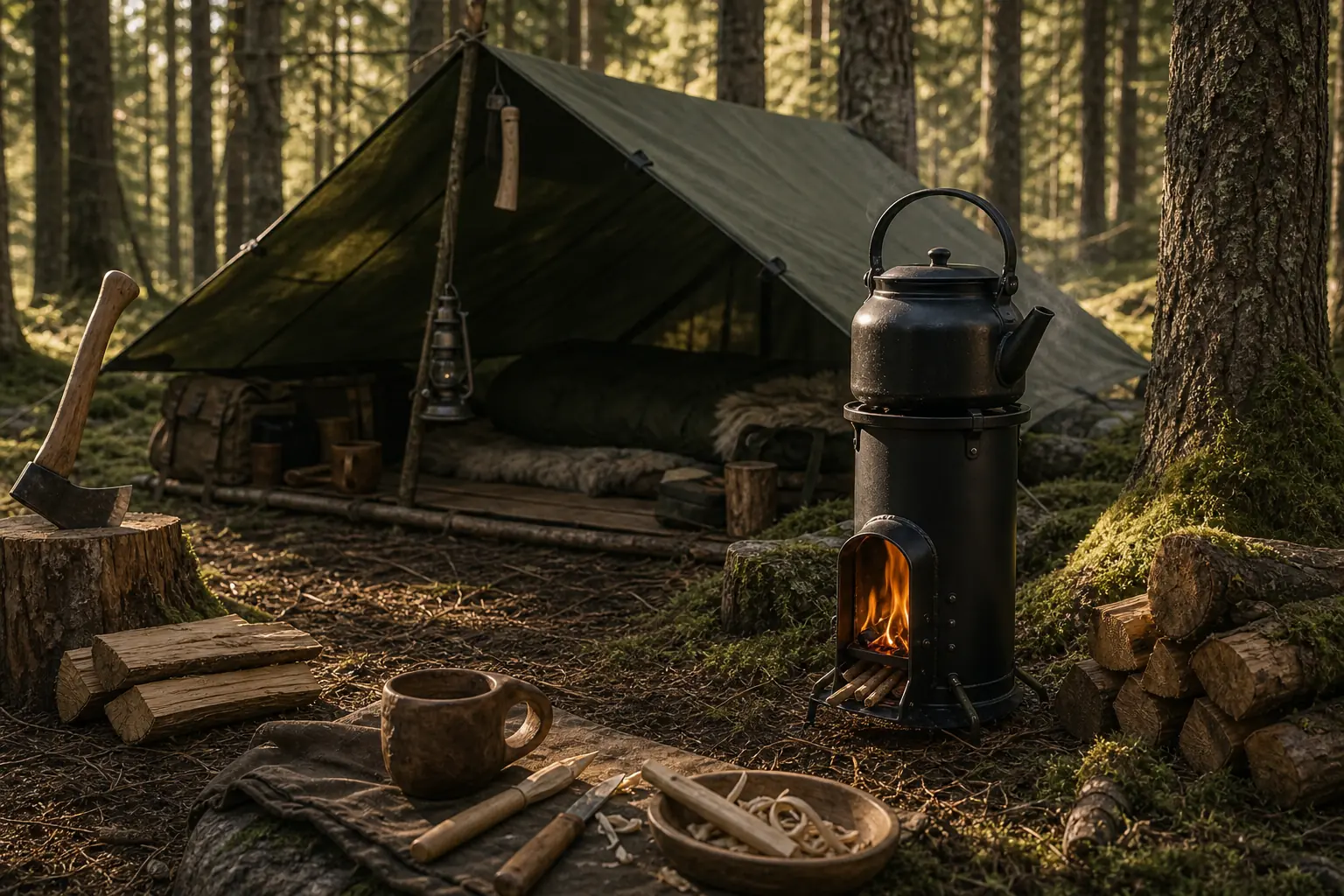
BUSHCRAFT AND MINIMAL KITS
Customers carrying compact cooking kits may look for a stove that works with appropriately sized dry wood and supports their intended cookware.
View Rocket Stoves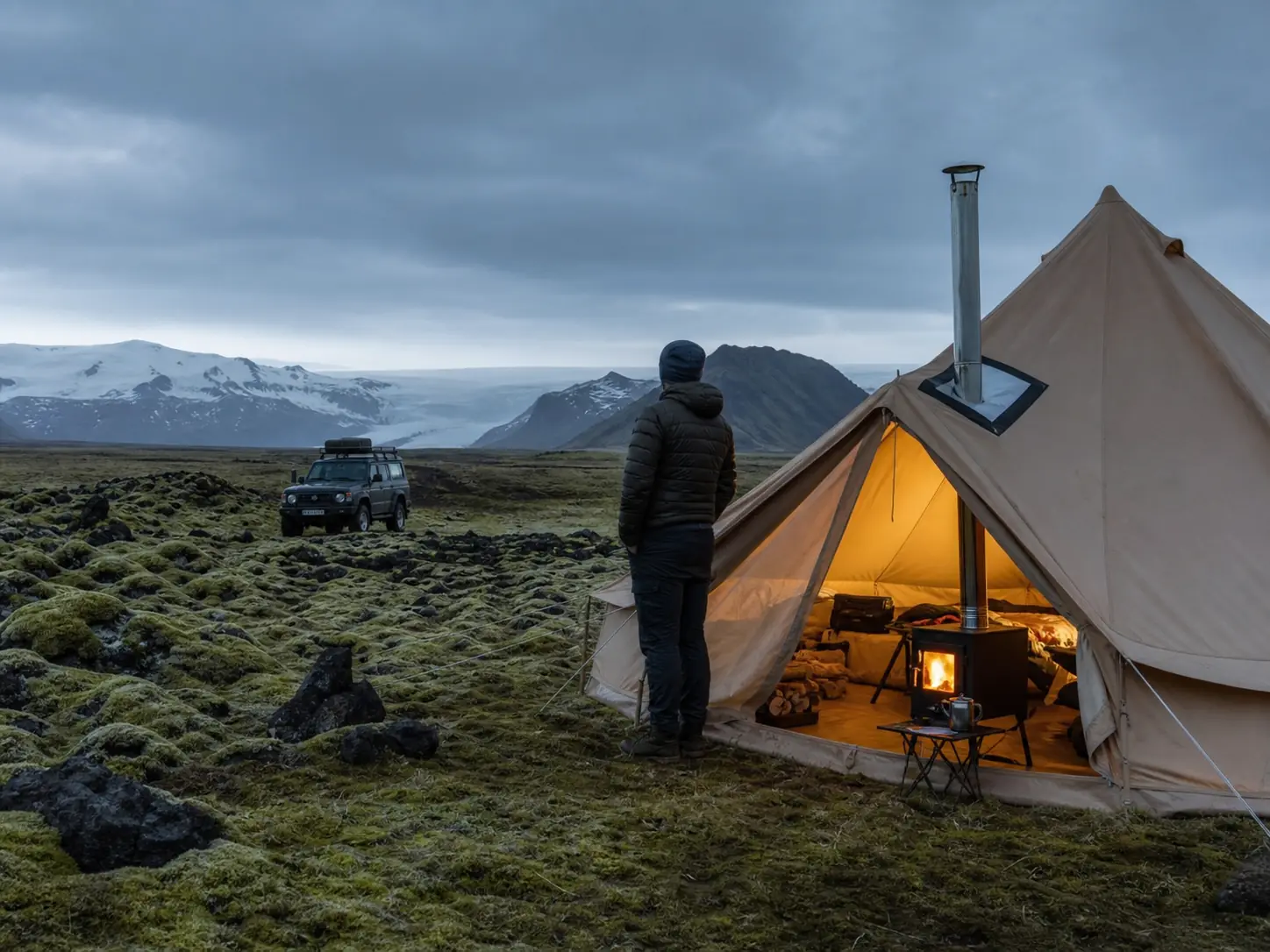
FIRE PITS FOR SOCIAL USE
For social camps and backyard gatherings, product selection starts with fire-pit size, fuel capacity, setup stability, ash handling, available cooking accessories, and the required clearance.
Buyers should confirm the required clearance around the fire pit and follow the instructions supplied with the selected model.
Cooking should only be promoted for models designed to support a suitable grill or cookware accessory.
Ash handling, surface protection, and cool-down requirements should be reviewed before selecting a product for frequent use.
OUTDOOR COOKING
Product choice depends on the meal, cookware, fuel, group size, and expected cooking time. Camping stoves, rocket stoves, and cooking-compatible fire pits provide different forms of heat and should be compared by model and intended use.
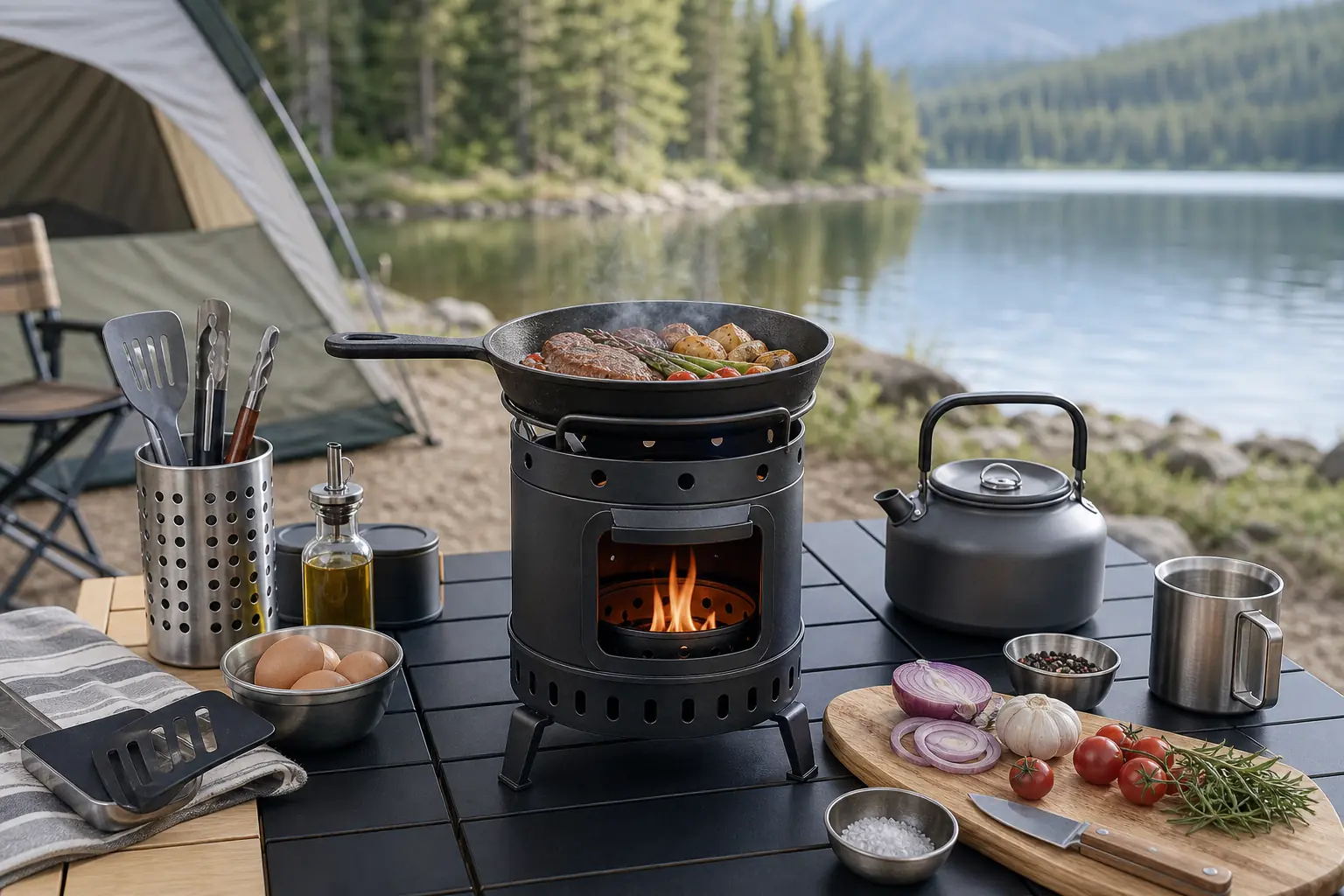
For breakfast service, the selected stove needs to support the intended cookware and provide enough cooking area and fuel capacity for the expected group size.
Relevant category: Camping Stoves
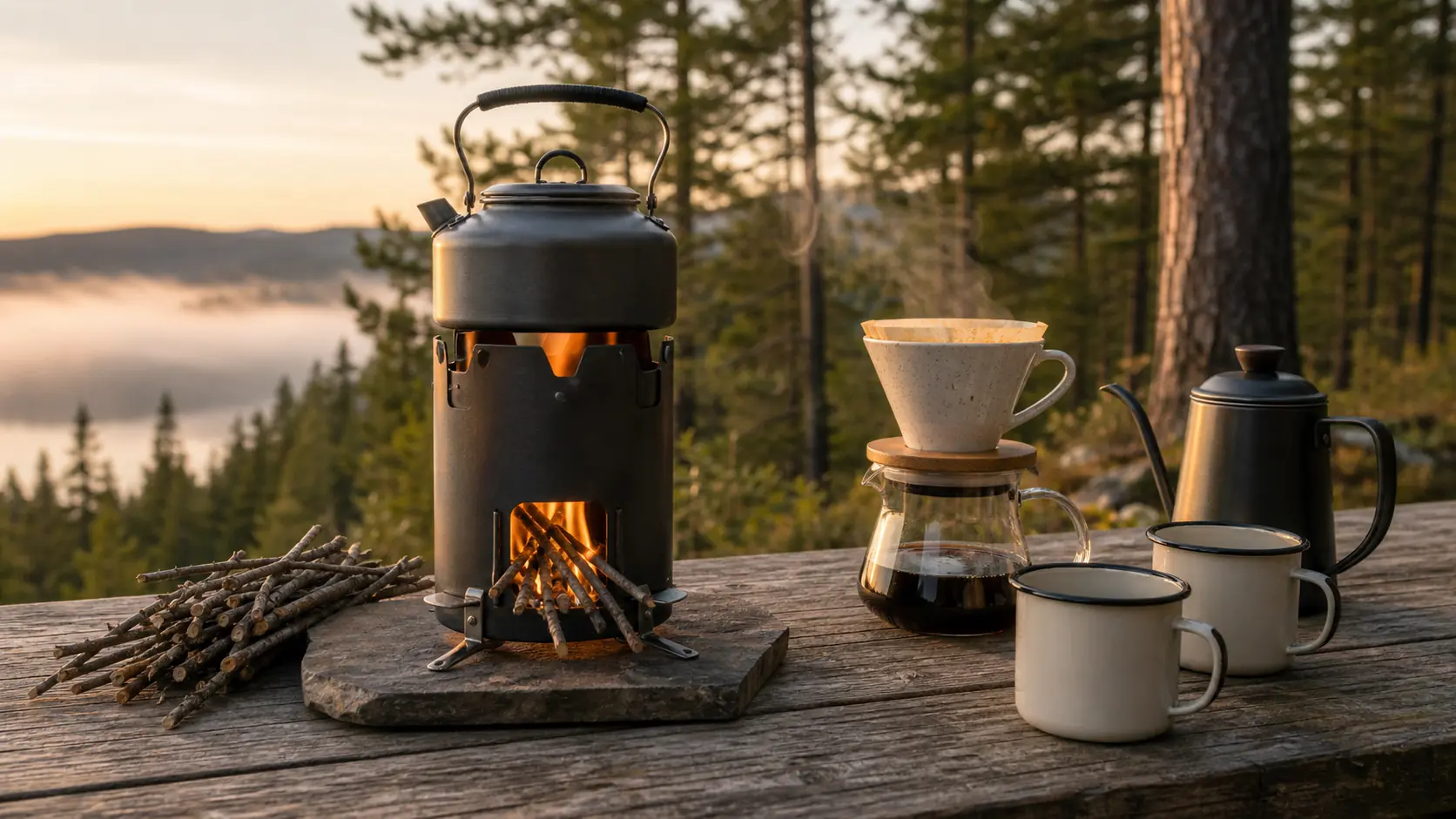
A compact rocket stove may suit simple kettle heating when the selected model supports the cookware, available fuel, and intended water volume.
Relevant category: Rocket Stoves
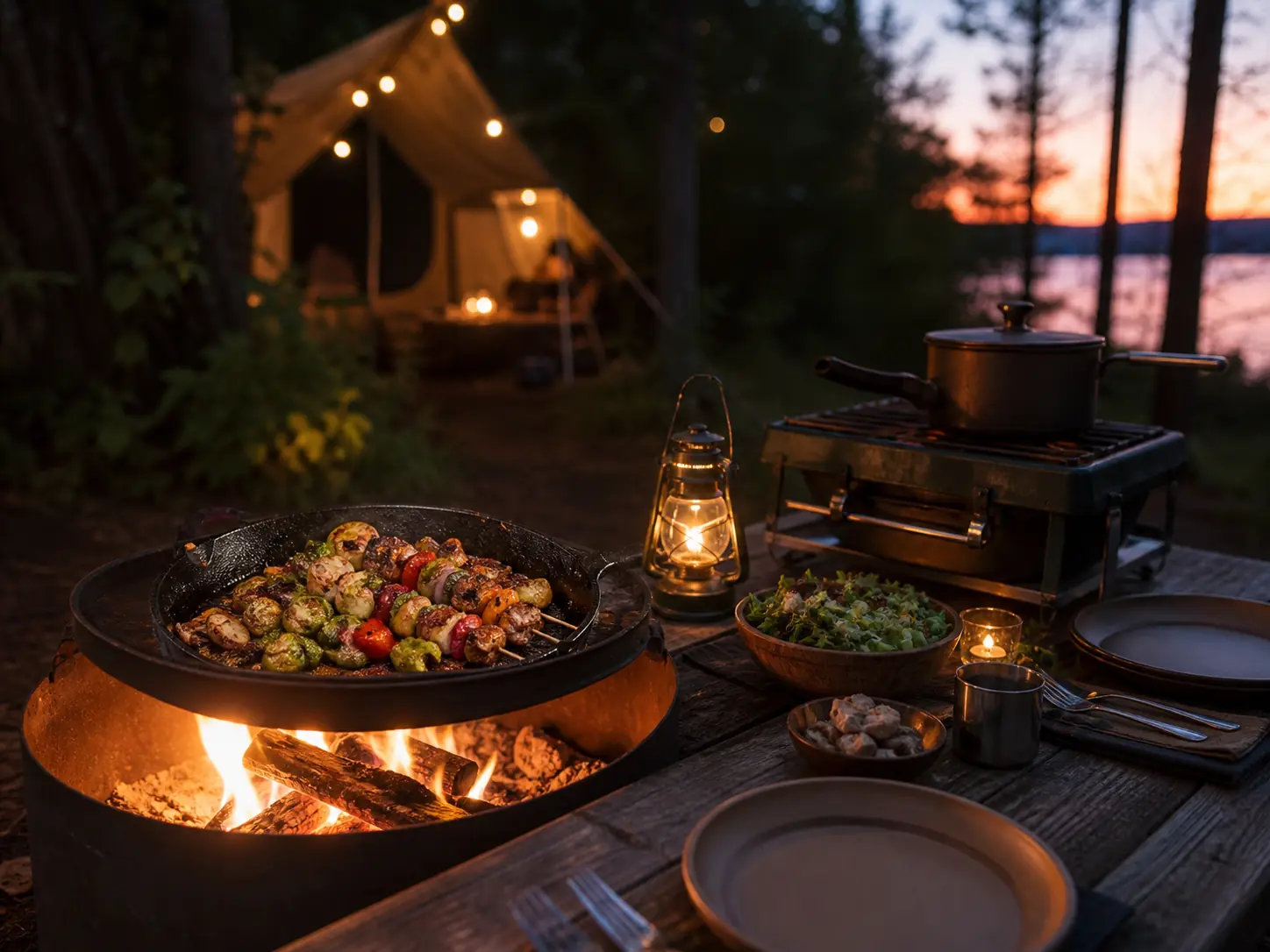
Fire-pit cooking should only be promoted for models equipped with a suitable grill or designed for cookware accessories specified by the manufacturer.
Relevant category: Cooking-Compatible Fire Pits
BEFORE SELECTING A MODEL
Product selection often depends on fuel availability, shelter compatibility, packed dimensions, cleaning requirements, and the intended use environment.
Buyers should confirm the recommended fuel type and size for each model. Dry, appropriately sized wood generally ignites and burns more consistently than damp fuel.
Tent-stove use requires a compatible hot-tent system, adequate ventilation, suitable chimney components, and the clearances specified by the stove and shelter manufacturers.
Packed dimensions, component retention, carry options, and assembly time determine how easily a stove fits into a vehicle or campsite kit.
Removable ash components, accessible interior surfaces, finish requirements, and model-specific instructions all affect routine cleaning.
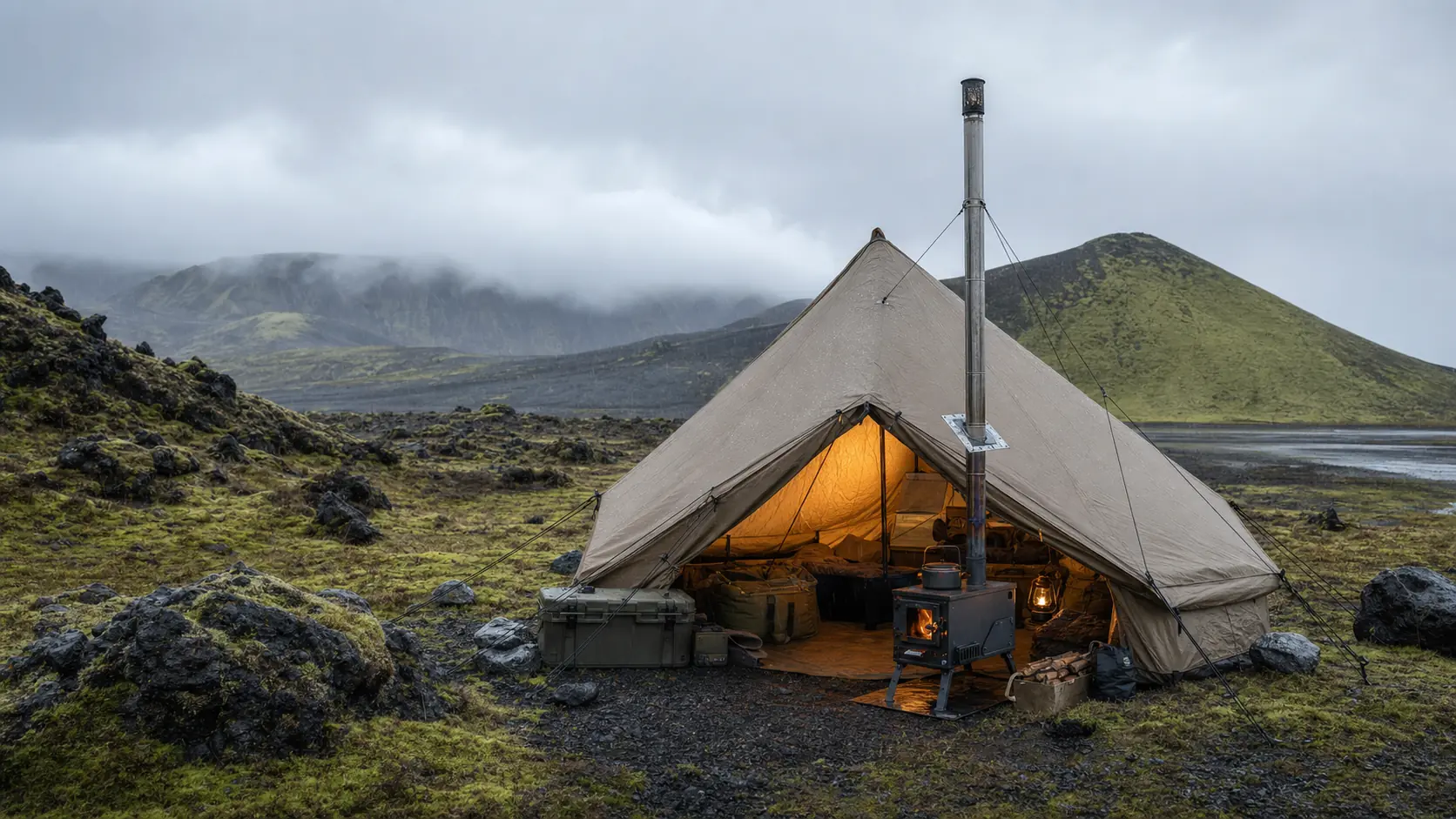
COLD-WEATHER CAMPING GUIDE
Product and setup considerations for compatible hot tents
Cold, wet, and windy conditions place greater demands on shelter compatibility, chimney routing, ventilation, fuel storage, and operating discipline. Buyers should confirm the required components and safety instructions for the intended shelter system.
Read the GuideThe appropriate category depends on the customer’s intended activity. Dimensions, fuel type, cooking or hot-tent function, packed size, and operating requirements still need to be confirmed by model.
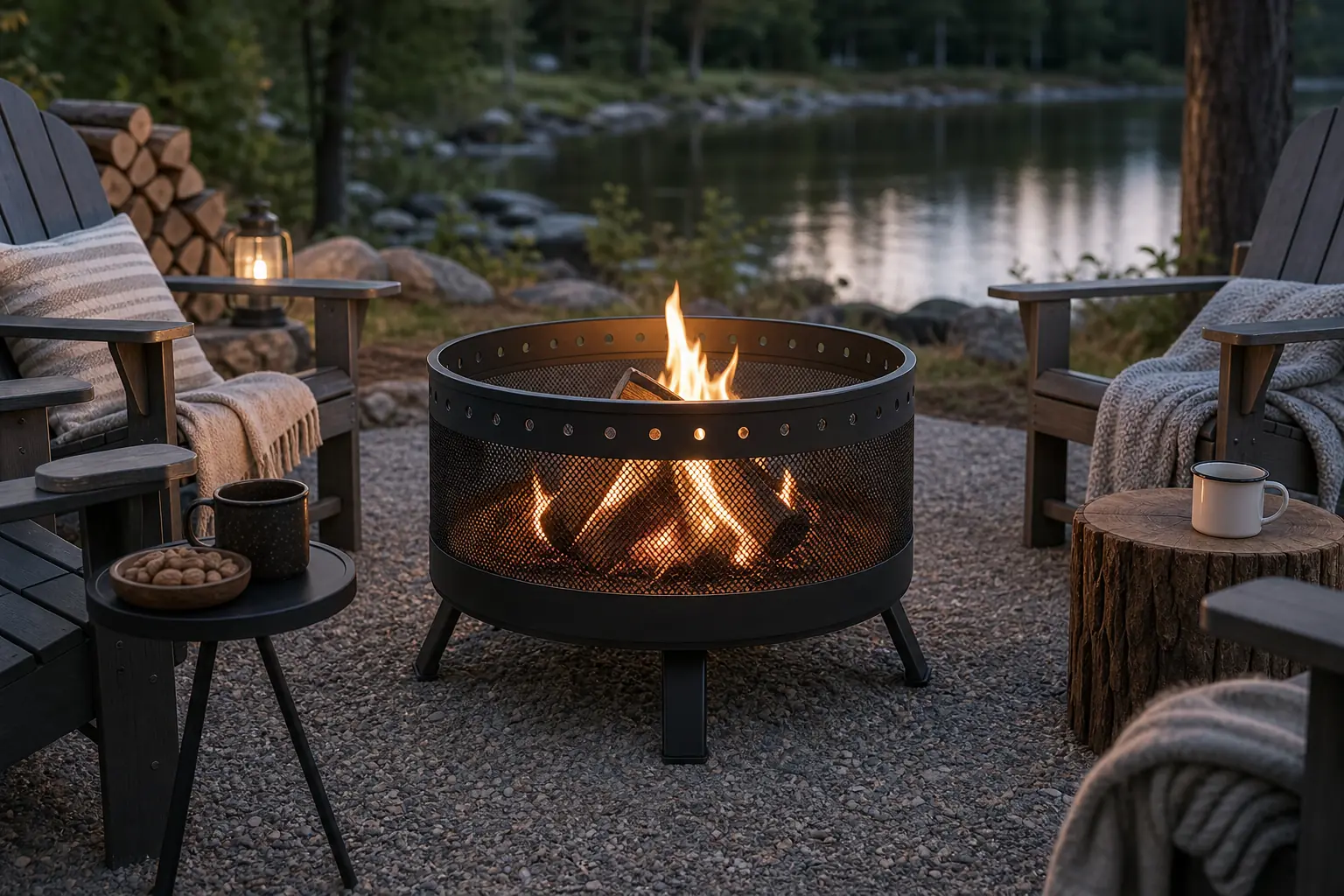
Outdoor gathering products available in different sizes and configurations, with model-specific options for airflow, ash handling, and cooking accessories.
View DetailsPortable stove options for campsite cooking, with model-specific differences in cookware support, fuel type, packed size, and weight.
View Details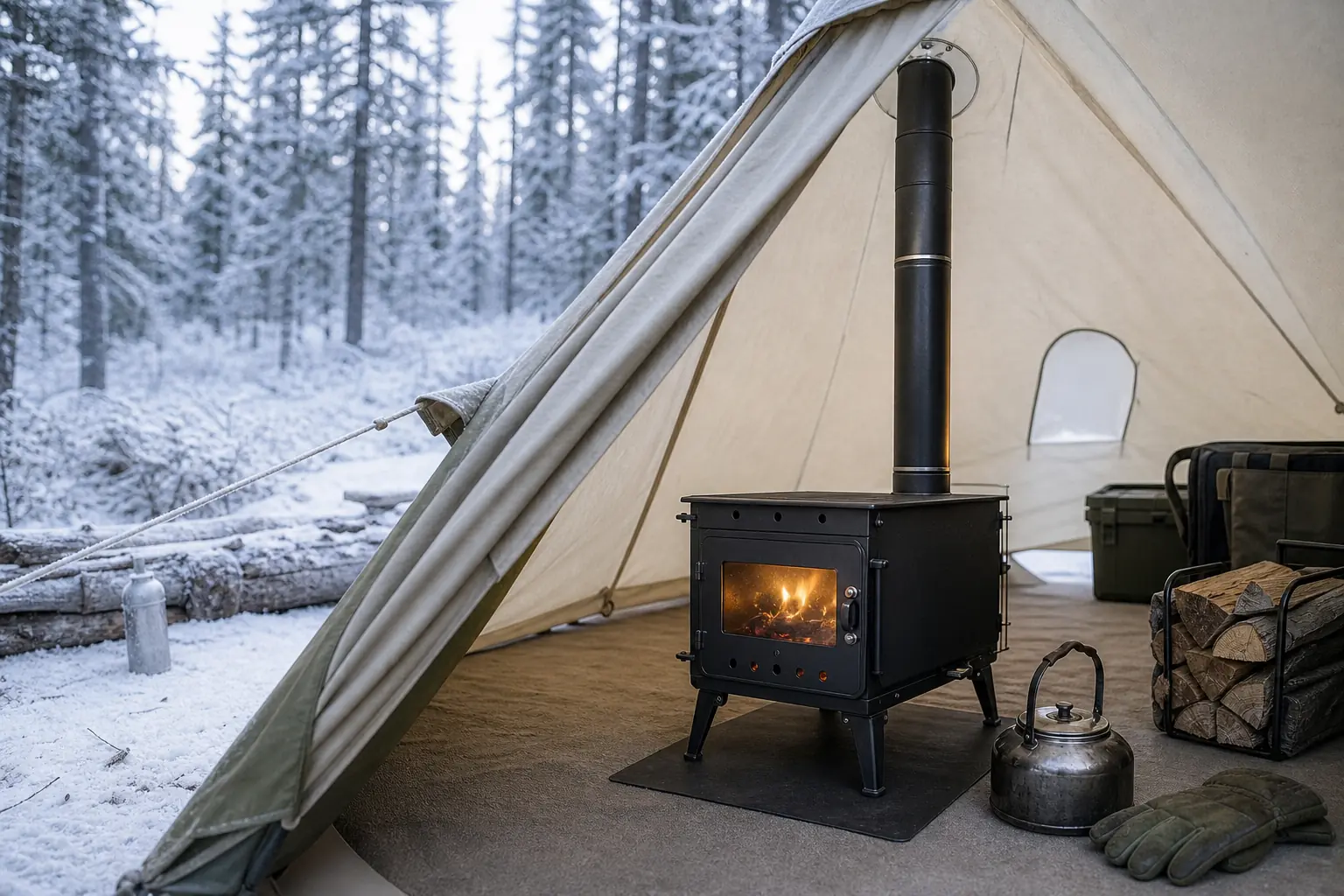
Stove options intended for compatible hot-tent systems, subject to required chimney setup, ventilation, clearances, and operating instructions.
View Details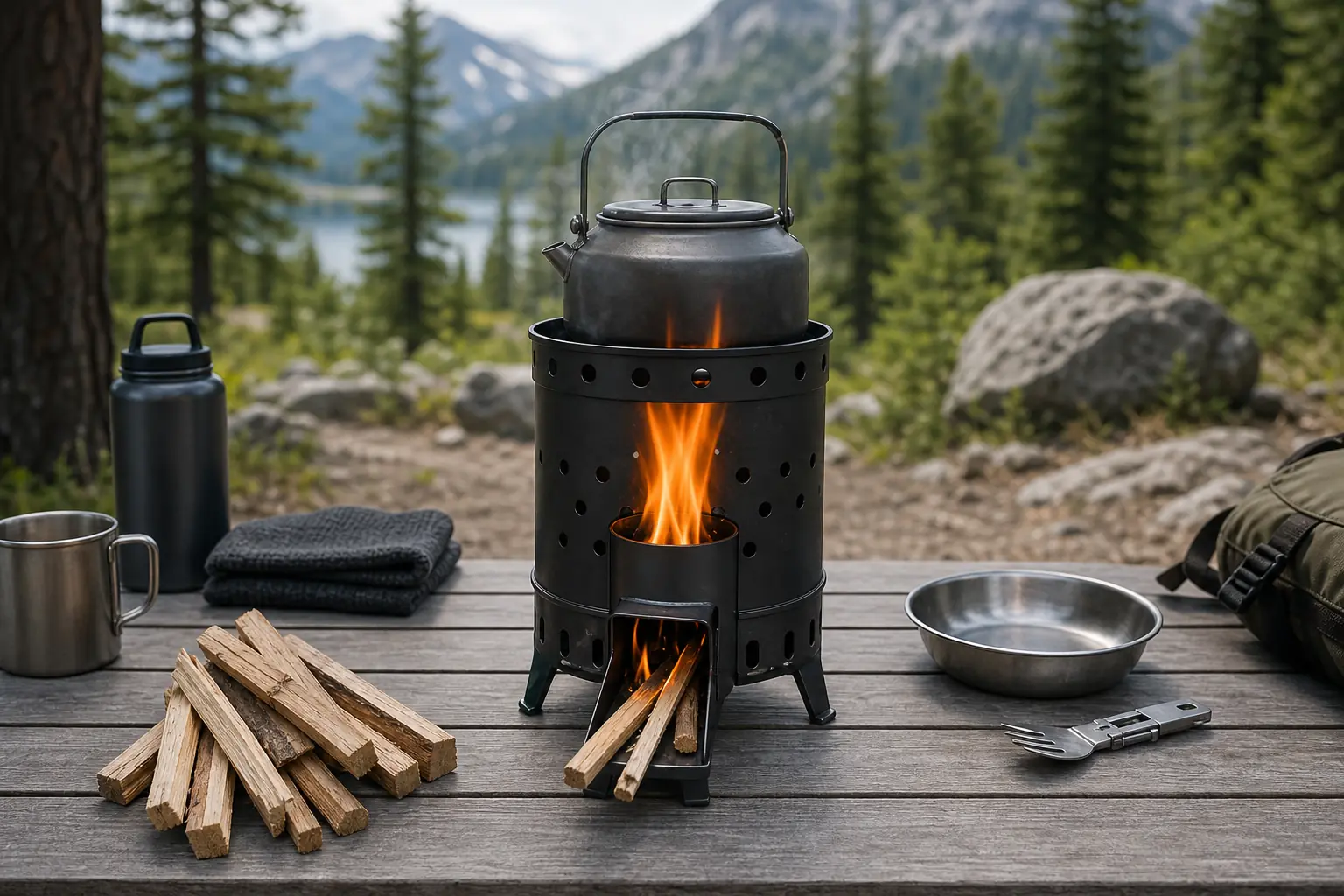
Compact wood-burning stove options for heating cookware with appropriately sized dry fuel, subject to model capacity and cookware compatibility.
View Details
Tell us about your target customer, preferred product category, order plan, and destination market. Our team can help you review suitable product options.