OEM KNOWLEDGE
Import Planning Starts Before Production
Importing outdoor stoves from China is not only a purchase order process. Buyers need to plan product scope, sample approval, inspection, packaging, documents, shipping volume, and spare parts before the goods leave the factory.
A clear import plan helps control landed cost, reduce delays, and improve repeat-order stability.
1. Define Product and Market Requirements
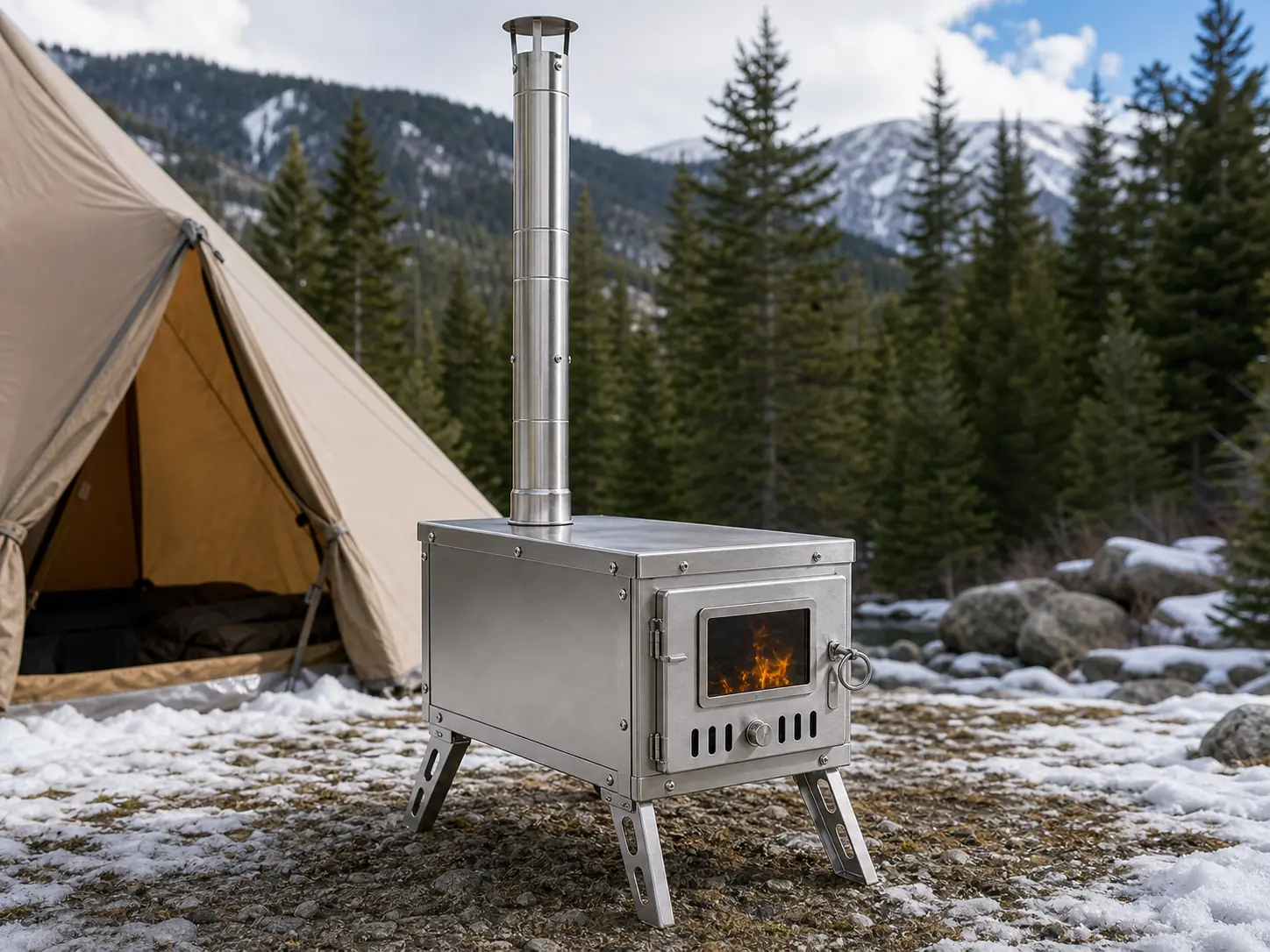
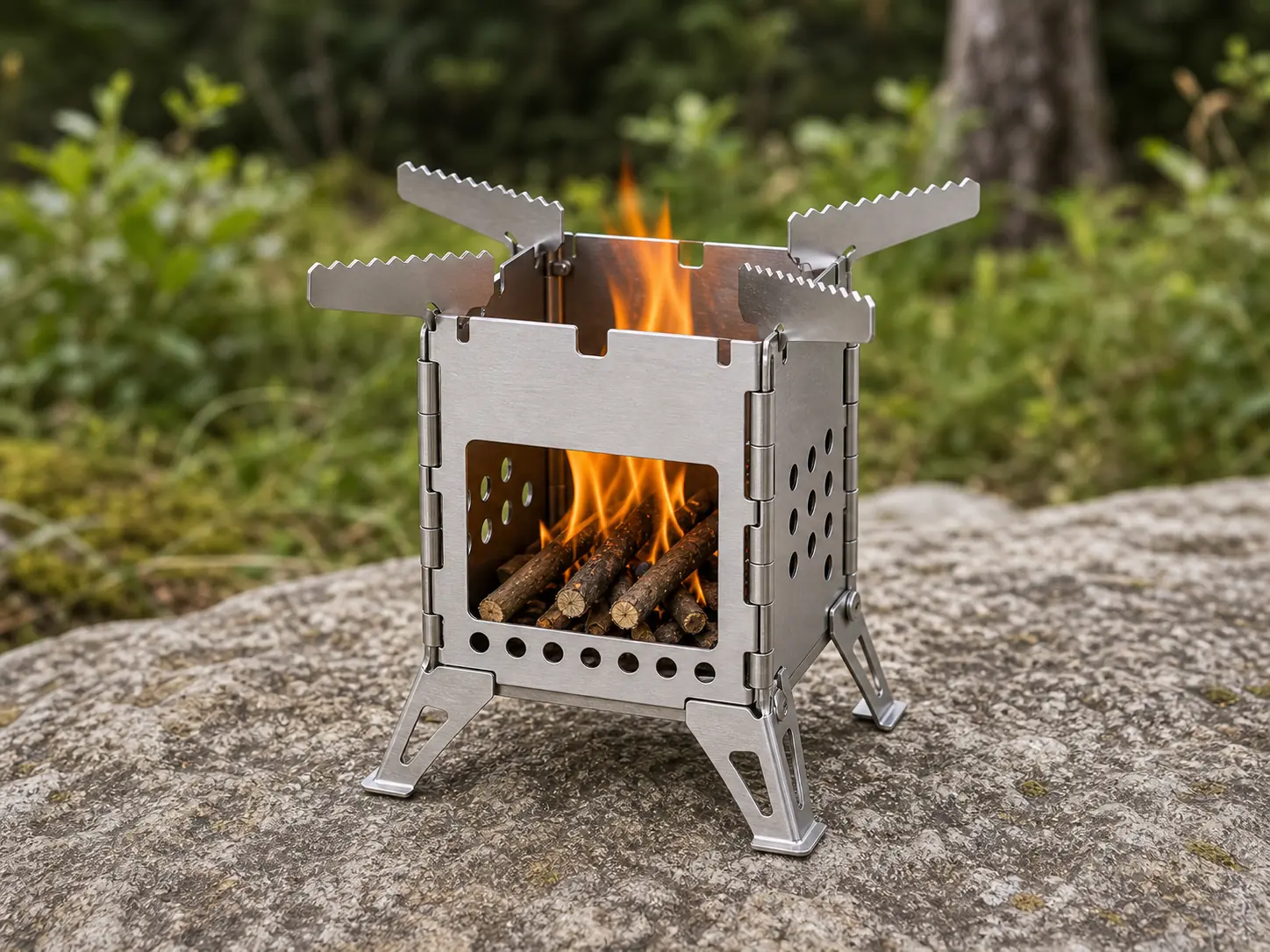
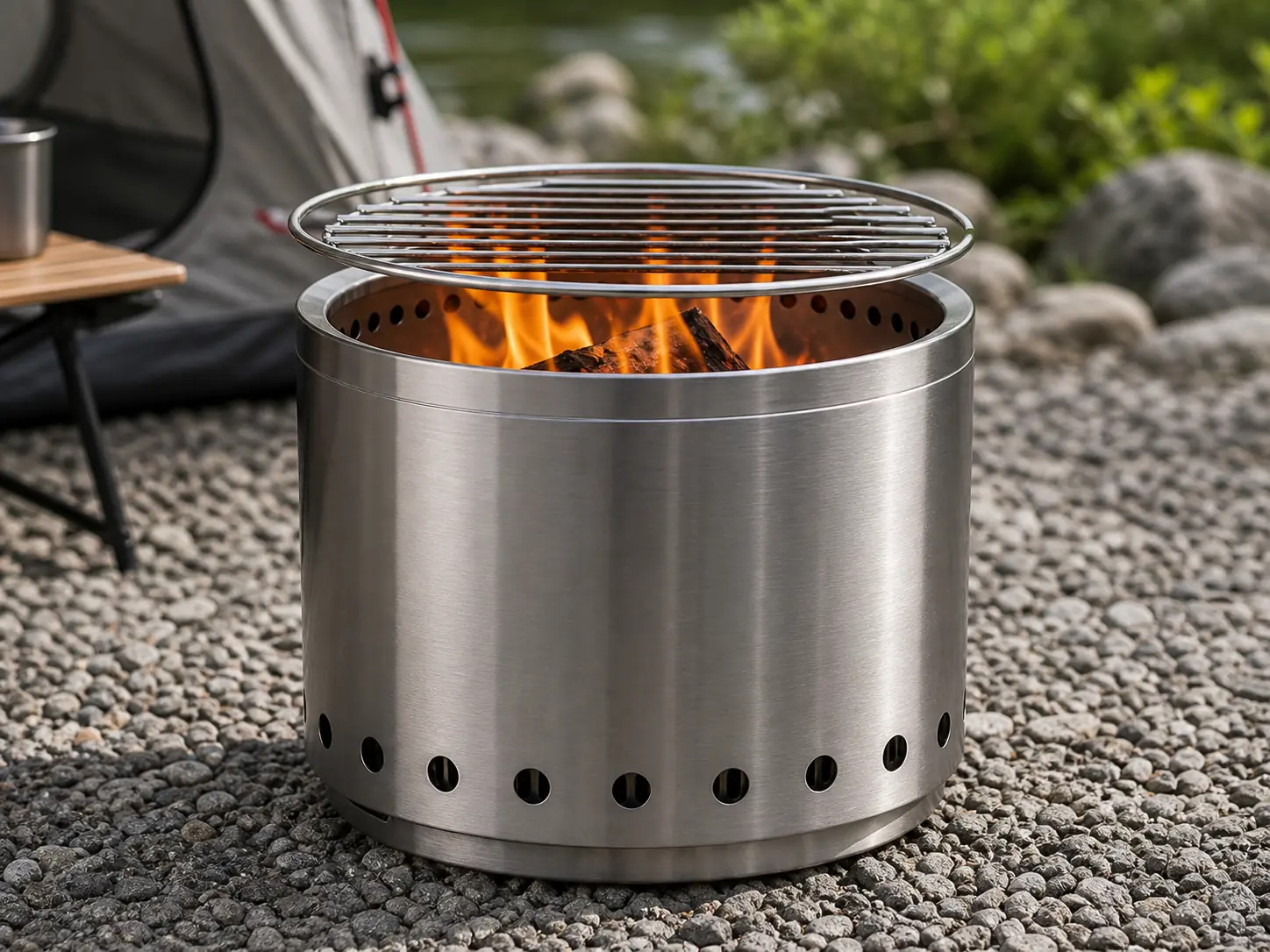
Import planning should begin with product type, target market, use scenario, and sales channel. A fire pit, tent stove, camping stove, and rocket stove may have different packaging, accessory, and compliance considerations.
Buyers should confirm whether the products are for retail shelves, e-commerce, wholesale distribution, or private-label brand launch.
2. Confirm Product Scope and Quotation
A useful quotation needs more than a product name. Material, finish, accessories, carton requirements, logo, order quantity, and destination market all affect price.
Buyers should request a quote based on a clear configuration so that sample cost, production cost, packaging cost, and shipping volume can be compared properly.
3. Review Samples
Sample review is the most important step before mass production. Check product fit, coating quality, assembly, heat behavior, accessories, carton protection, and whether instructions are clear.
For private-label orders, the sample should include logo position, packaging direction, manual style, and accessory list whenever possible.
4. Plan Inspection Before Shipment
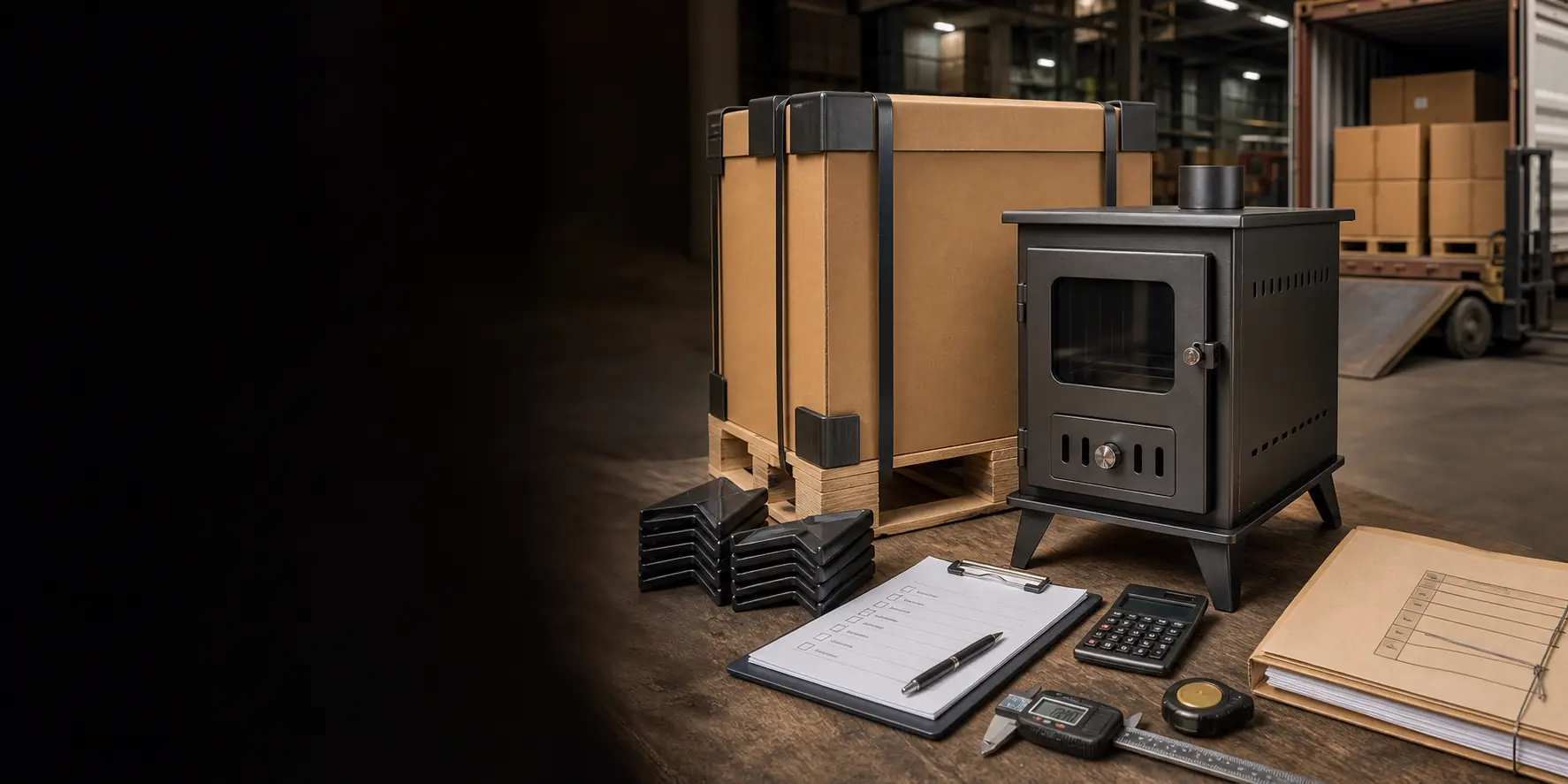
Inspection should check quantity, appearance, assembly, function, packing, labels, accessories, and carton condition. Outdoor stoves are heavy or metal-based products, so packing and finish protection need close attention.
Inspection criteria should be agreed before production. This helps both buyer and factory understand what must be checked before shipment.
- Quantity
- Finish
- Assembly
- Accessories
- Carton marks
- Manuals
- Packing protection
- Random function checks
5. Prepare Export Packing and Documents
Carton size, gross weight, pallet plan, shipping marks, and document requirements should be prepared before the goods are ready.
For importers, real landed cost depends on more than product unit price. Packaging volume, freight method, duty, storage, and spare parts can all affect final margin.
6. Keep Spare Parts and After-Sales Planning
Buyers should include replacement parts and after-sales support in their sourcing plan. Glass windows, chimney sections, carry bags, hardware, and coated parts may need replacement over time.
A small spare parts plan can reduce customer service pressure and make repeat orders easier to manage.
CONCLUSION
Good Import Projects Are Built on Clear Details
Well-managed import programs define the product clearly, approve samples carefully, inspect before shipment, and plan packaging and spare parts early. This creates fewer surprises after the goods arrive.
Review Import Steps