OEM KNOWLEDGE
Start Focused, Then Expand with Feedback
Starting an outdoor stove brand is not only about choosing attractive products. The first range must match a clear customer, a realistic price point, reliable packaging, and a repeatable supply plan.
A focused launch gives a new brand fewer products to sample, explain, inspect, and improve. It also limits the inventory committed before the team has meaningful sales and customer feedback.
1. Define the Target Customer
A stove brand should start with a clear customer profile. Weekend campers, overlanding users, winter hot-tent campers, backyard hosts, and wholesale retailers all value different product details.
Before selecting products, define the main market, use scenario, expected retail price, and the level of durability or portability customers expect.
2. Choose a Focused Product Line
New brands often make the mistake of launching too many SKUs. A focused first range is easier to sample, explain, inspect, and reorder.
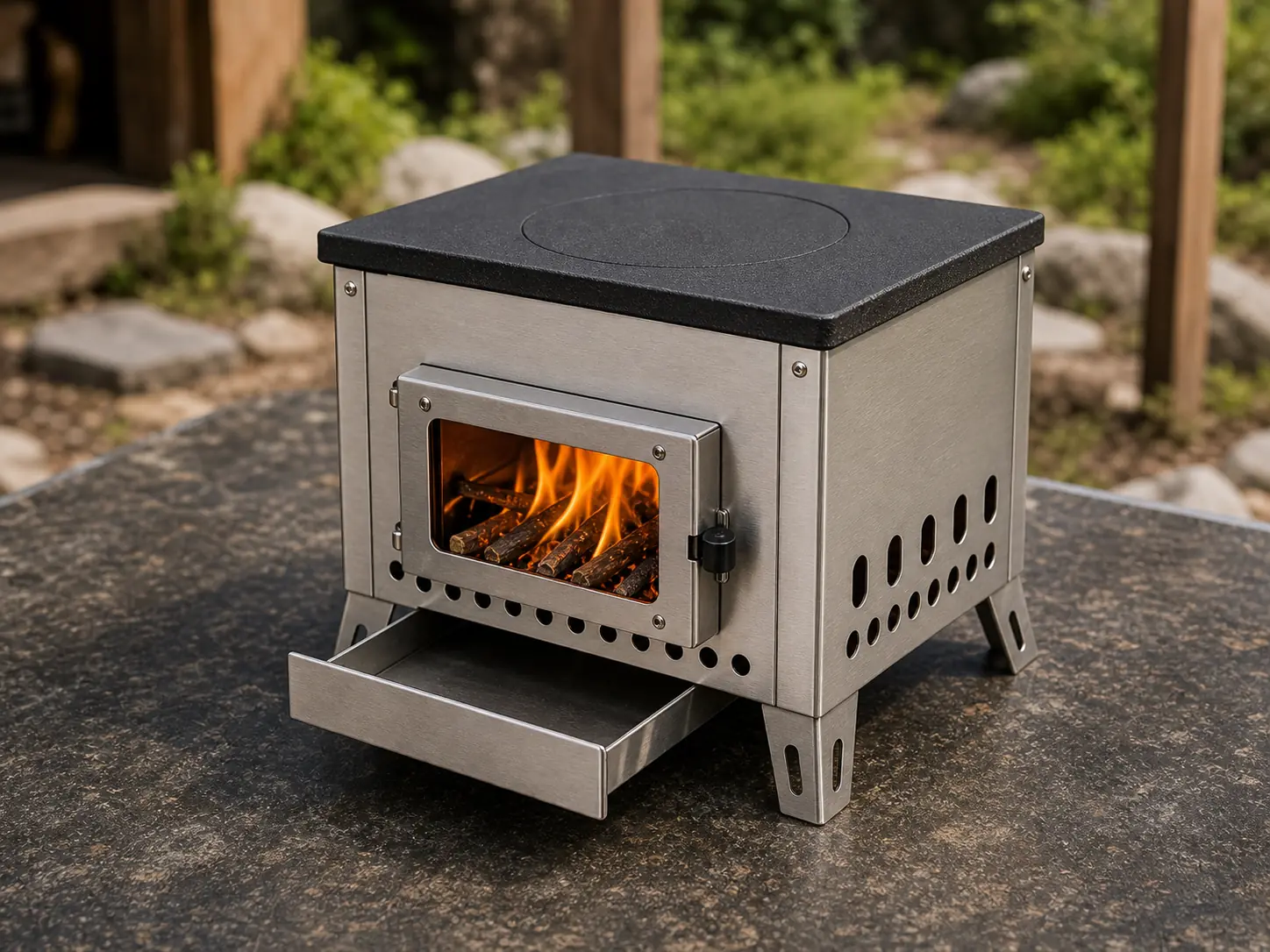
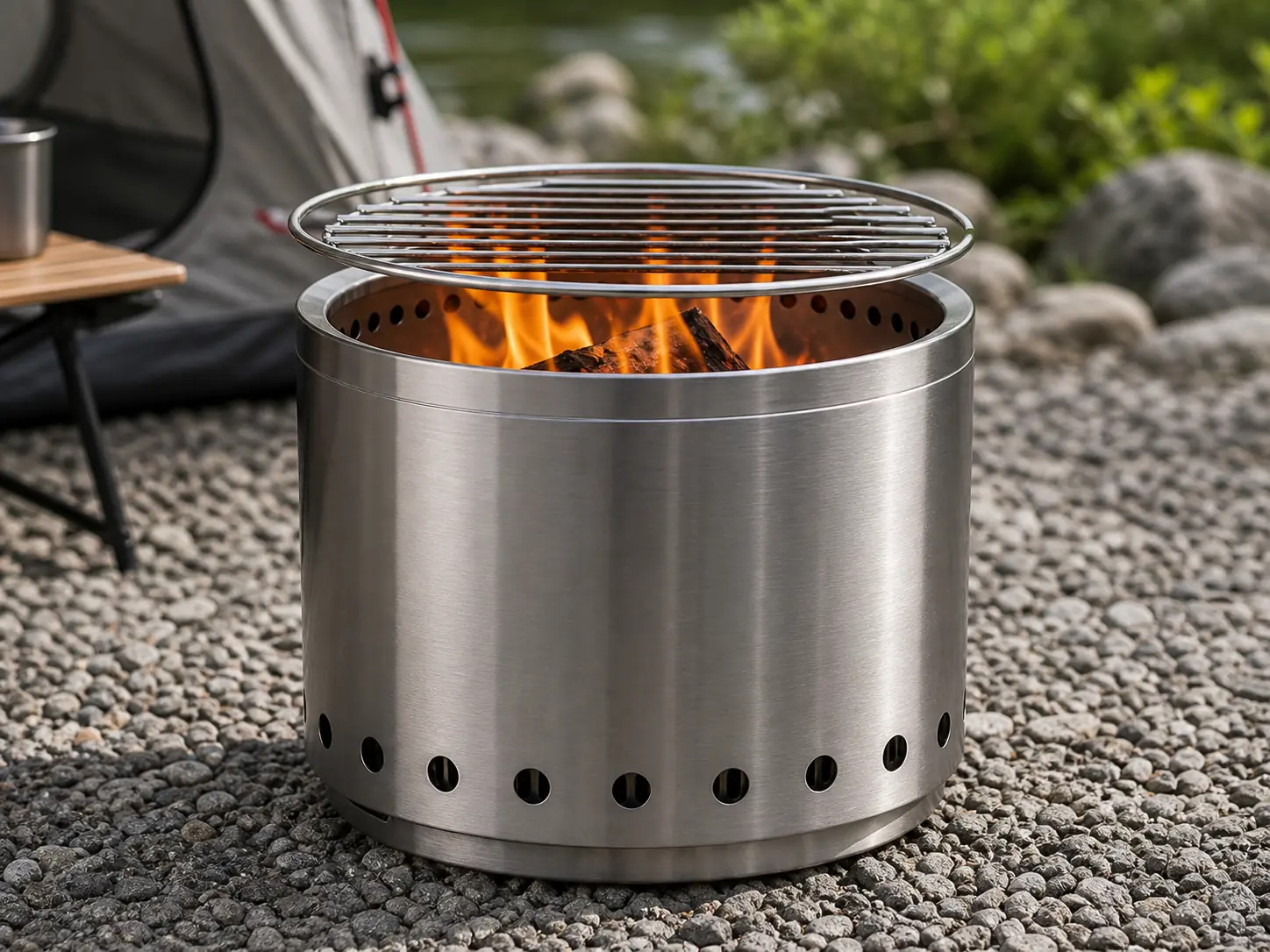
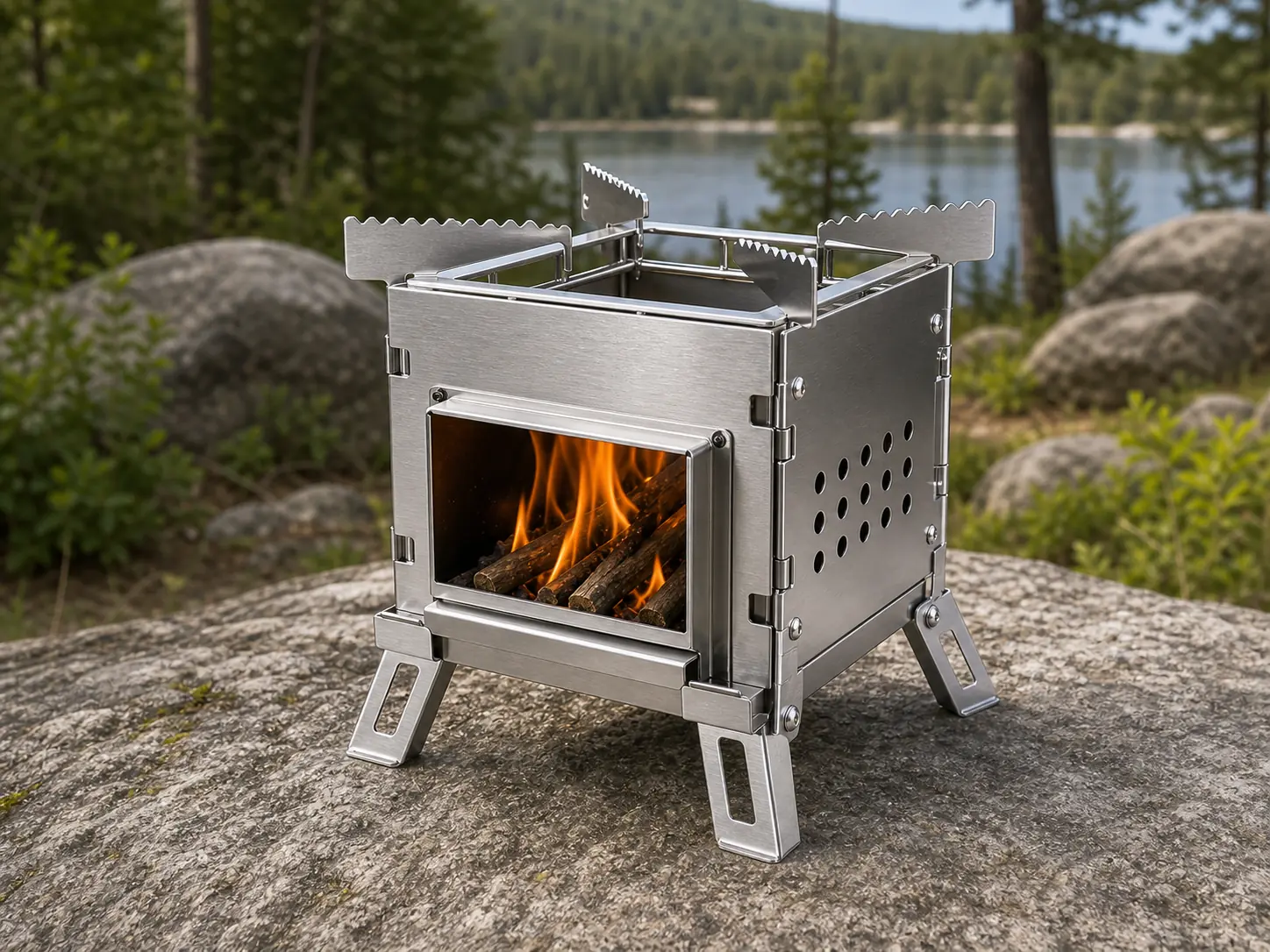
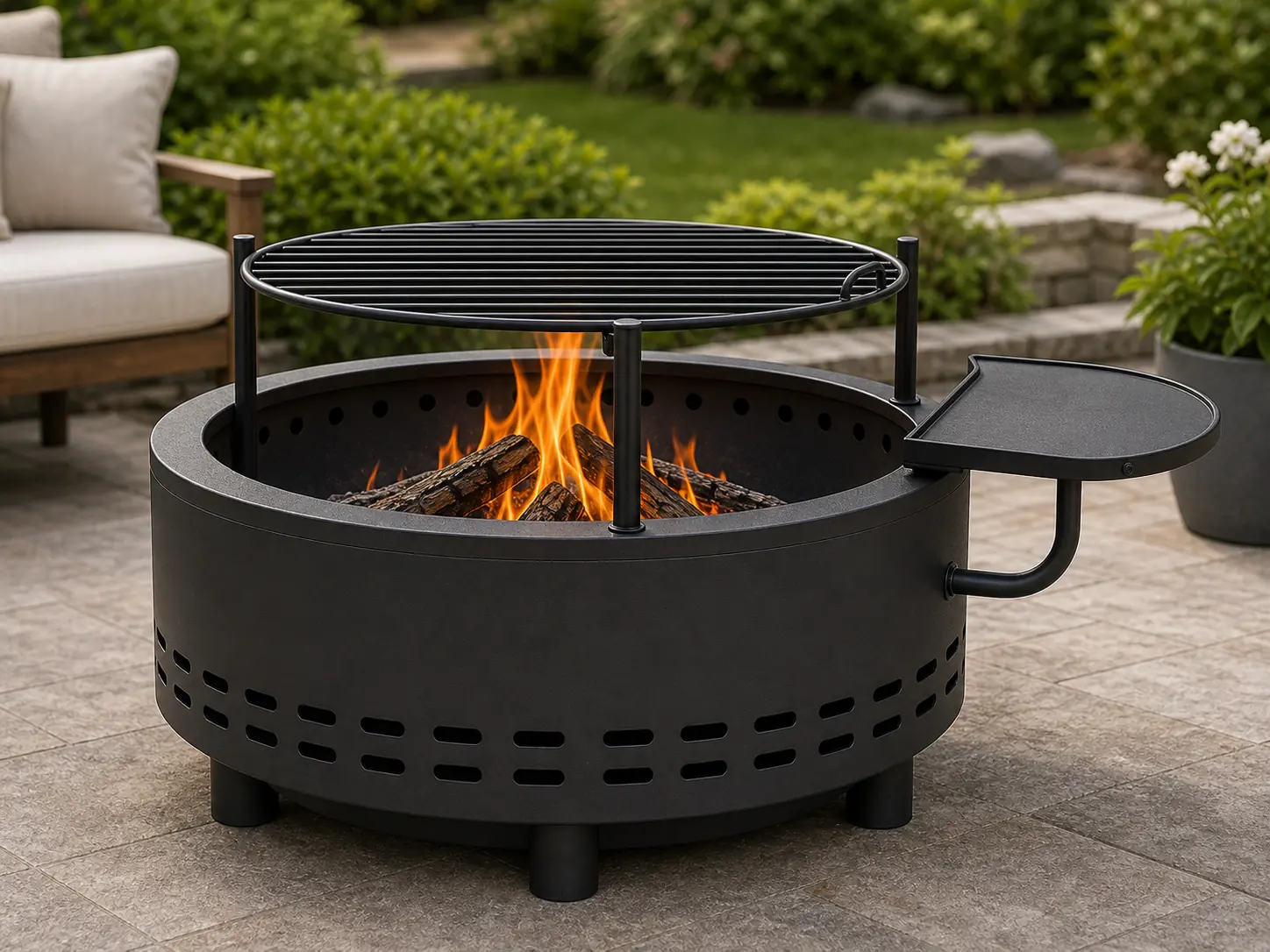
A new brand can begin with one or two product families, such as fire pits, camping stoves, tent stoves, or rocket stoves, and expand after reviewing market feedback.
3. Plan Your First SKU Set
A first order usually includes an entry model, a core model, and selected accessories. This gives buyers a clear price ladder without making inventory too complicated.
For outdoor stoves, accessories can be important because they improve product value and make the retail offer easier to understand.
- Entry model
- Core model
- Carry bag
- Grill plate
- Ash tray
- Replacement parts
- Manual
- Retail carton
4. Prepare Brand Elements
Brand work includes more than a logo. Buyers should plan product naming, carton style, manual tone, warning labels, product photography, and how accessories are presented.
Logo application, finish color, packaging artwork, and instruction manuals should be confirmed during the sample stage instead of waiting until mass production.
5. Test Samples Before Scaling
Sample review should check assembly, finish, heat behavior, accessory fit, packaging protection, and user instructions.
For stove products, sample review should include the intended support arrangement, cleaning access, airflow behaviour and packed volume under defined conditions; product photographs alone cannot confirm those points.
6. Start with a Manageable First Order
A focused first order lets the brand test demand, collect customer feedback, and improve the next batch without carrying too much inventory risk.
After the first shipment, review sales performance, return reasons, packaging condition, and accessory demand before expanding the range.
CONCLUSION
A Clear First Range Builds a Stronger Brand
The first step is to define your market, choose a focused product family, confirm samples, and prepare packaging before scaling. A clear first order gives the brand room to learn, improve, and build repeat sales.
Start Brand Planning