MANUFACTURING GUIDE
Choose the Route That Matches Your Product Control
OEM and ODM are both common ways to build outdoor stove products, but they are not the same decision. The better choice depends on how much product control the buyer needs, how fast the project should launch, and how much engineering development is required.
If you already have defined product specifications, OEM may provide the appropriate level of product control. If you want to assess an existing supplier model and apply selected customization, ODM may reduce the amount of new product development required.
1. What OEM Means for Outdoor Stoves
OEM manufacturing is usually the right choice when the buyer already has a clear product direction, drawing, sample, technical requirement, or mature brand specification.
In an OEM project, the factory focuses on producing according to the buyer's defined product scope. The buyer may control dimensions, material, coating, accessories, packaging, and inspection standards more closely.
OEM can suit established outdoor brands that understand their target customer and need manufacturing support for a buyer-defined product specification.
2. What ODM Means for Outdoor Stoves
ODM manufacturing may suit buyers who want to evaluate existing supplier models instead of developing every product detail from the beginning.
In an ODM project, the supplier presents available models and customization options for buyer review. The buyer can then assess the sample and agree on branding, packaging, finish, accessories, and any approved changes.
ODM fits distributors, new outdoor brands, and channel sellers who need a shorter launch path with lower development complexity.
3. Which Customers Are Better for OEM
OEM is a better fit when the buyer has exact product requirements and needs deeper control over structure or performance.
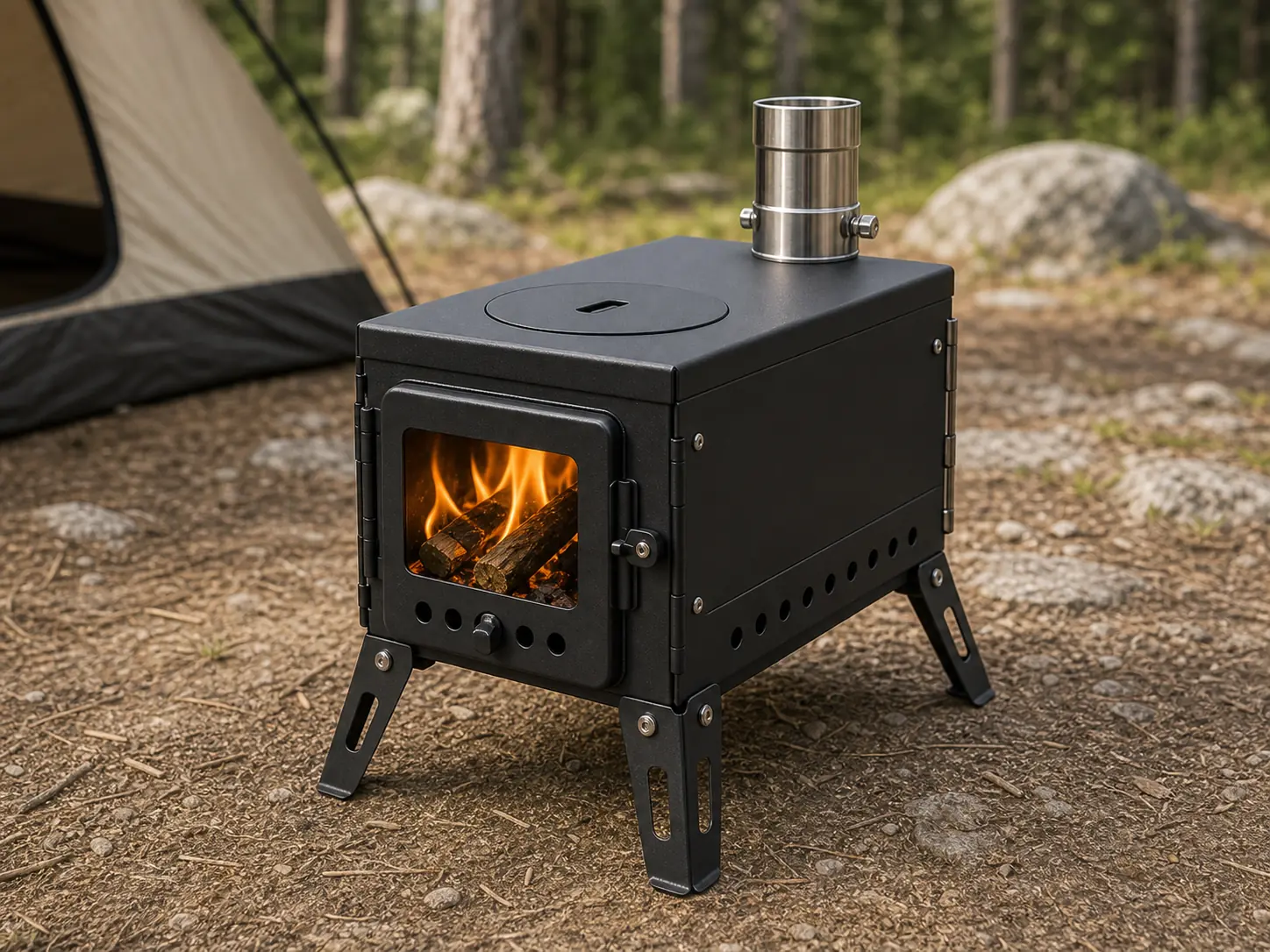
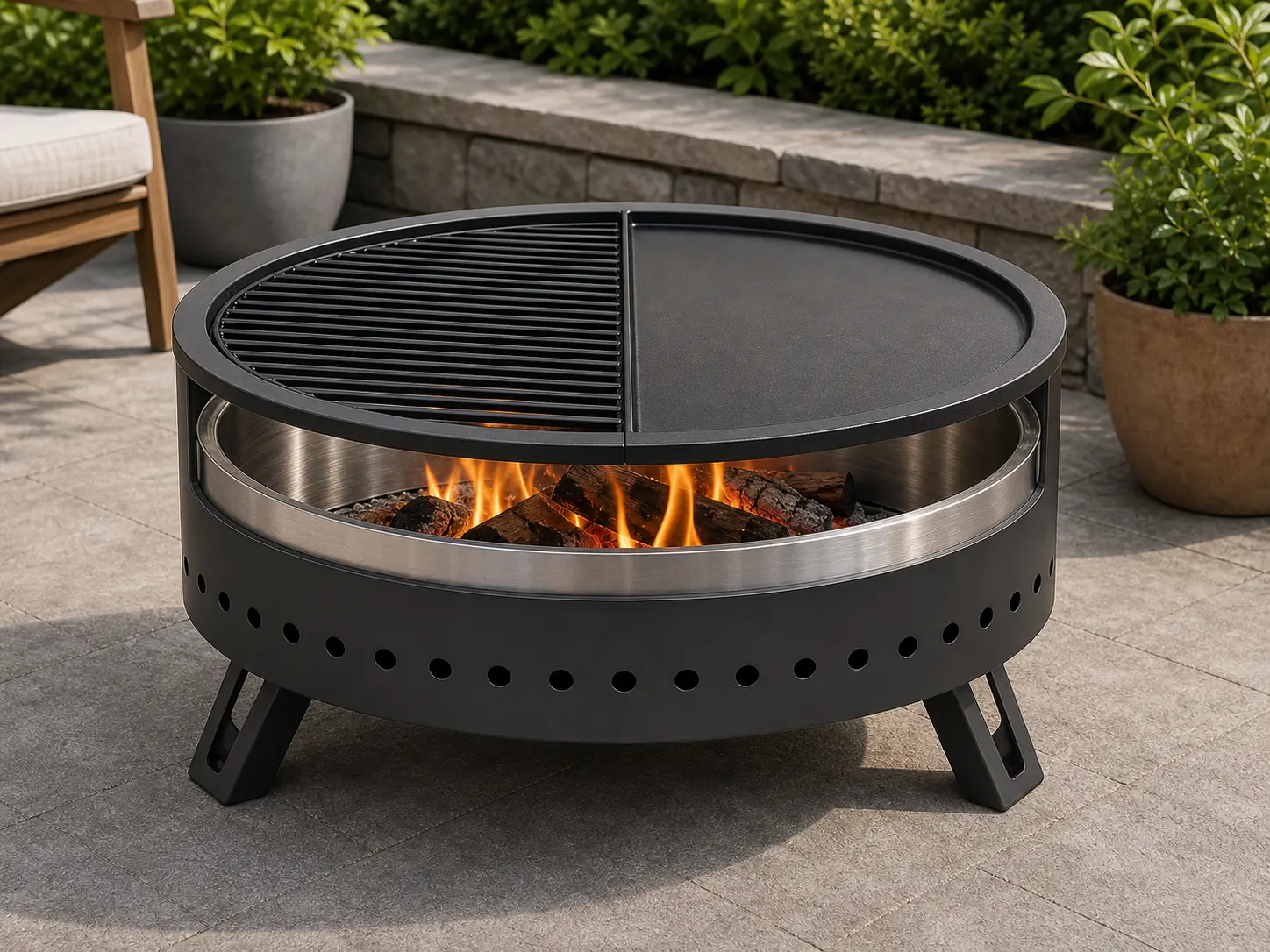
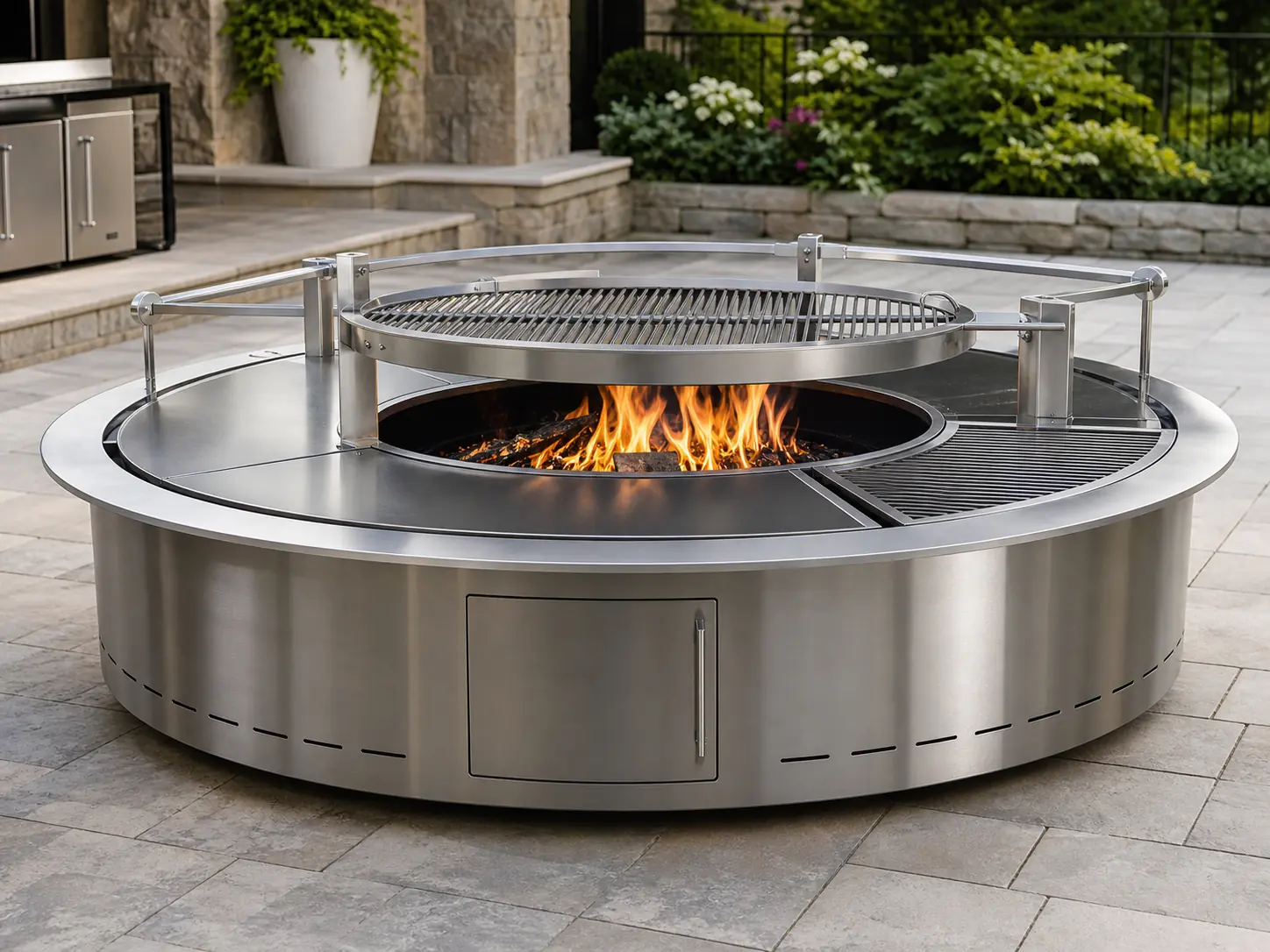
For example, a brand may already have a fire pit size series, a tent stove layout, or a camping stove design that needs production support. In this case, the factory should review drawings, samples, material choices, tooling needs, and target cost before quoting.
OEM can create more specific product differentiation, but it also requires clearer communication, more sample review, and sometimes higher development cost.
4. Which Customers Are Better for ODM
ODM is a better fit when the buyer wants to launch quickly, test a market, or build a private-label range from existing stove models.
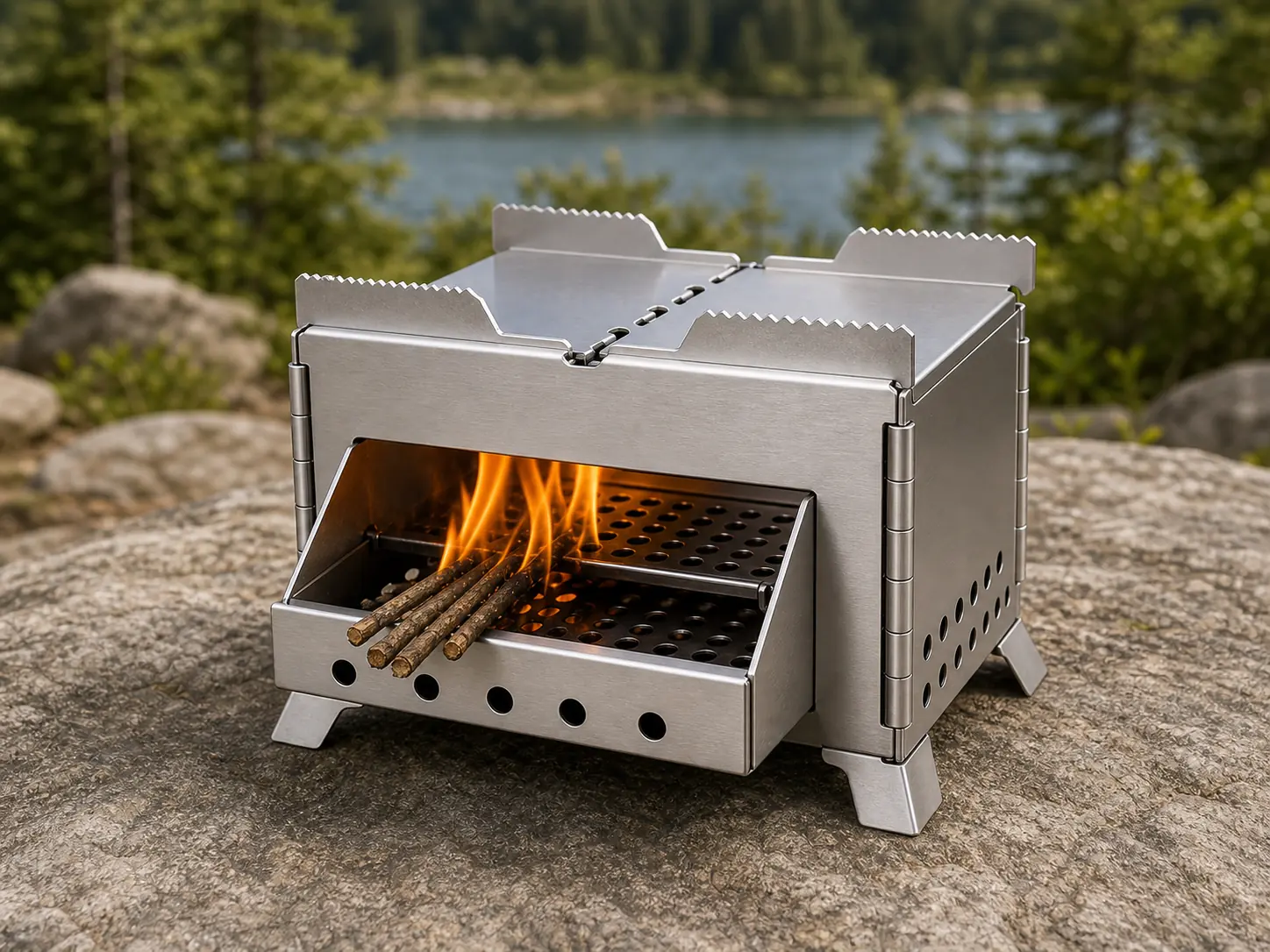
For outdoor stoves, ODM can be considered for fire pits, tent stoves, rocket stoves, camping stoves, and accessory kits when an available model matches the buyer's market and specification needs.
The buyer can focus on market positioning, product mix, logo, packaging, manuals, and order plan instead of spending too much time on early engineering development.
5. Cost and Timeline Differences
OEM and ODM can both be cost-effective, but the cost structure is different.
OEM may require engineering review, tooling, sample changes, custom parts, and longer approval cycles. This can increase early cost but may create a more differentiated product.
ODM often reduces the development burden because the factory starts from a ready product platform. This can shorten sampling time and make the first order easier to plan.
6. What Can Usually Be Customized
Customization should be separated into different levels. Not every change has the same cost, MOQ, or lead time impact.
Simple branding changes are usually easier to support. Structural changes, new tooling, or unusual material requirements need more review before price and schedule can be confirmed.
- Logo placement
- Product finish
- Color or coating
- Retail carton artwork
- Manual and label design
- Accessory set
- Material thickness
- Structural dimensions
- Export packaging route
7. Common Mistakes
Buyers should distinguish a branding change on an existing stove from the development of a new stove body. The two projects require different levels of engineering, sampling, and approval.
A supplier cannot prepare a meaningful final quotation until the material, finish, packaging, accessories, testing needs, and order quantity are clear.
A focused initial range is generally easier for a buyer to sample, inspect, launch, and manage than a large group of unrelated SKUs.
Packaging should be reviewed as part of the product specification because carton size, protection, accessory layout, and shipping method affect landed cost.
8. What to Prepare Before Contacting a Factory
A clear project brief helps the factory respond faster and recommend the right OEM or ODM route.
If the buyer is not sure which path is better, sharing the target market, product category, expected quantity, and customization needs is usually enough to start the discussion.
- Target market
- Product category
- Expected order quantity
- Target price range
- Logo and packaging needs
- Material preference
- Accessory requirements
- Timeline expectation
- Existing drawing, sample, or reference model
CONCLUSION
The Right Route Depends on Your Starting Point
OEM is generally a better fit when the buyer has defined specifications and needs deeper product control. ODM may suit a buyer who wants to evaluate an existing supplier model before agreeing on selected customization. In either case, the first step is to clarify the product type, target market, expected quantity, and customization scope.
Share Your OEM or ODM Brief