Technology
Technology Should Support the Use Case
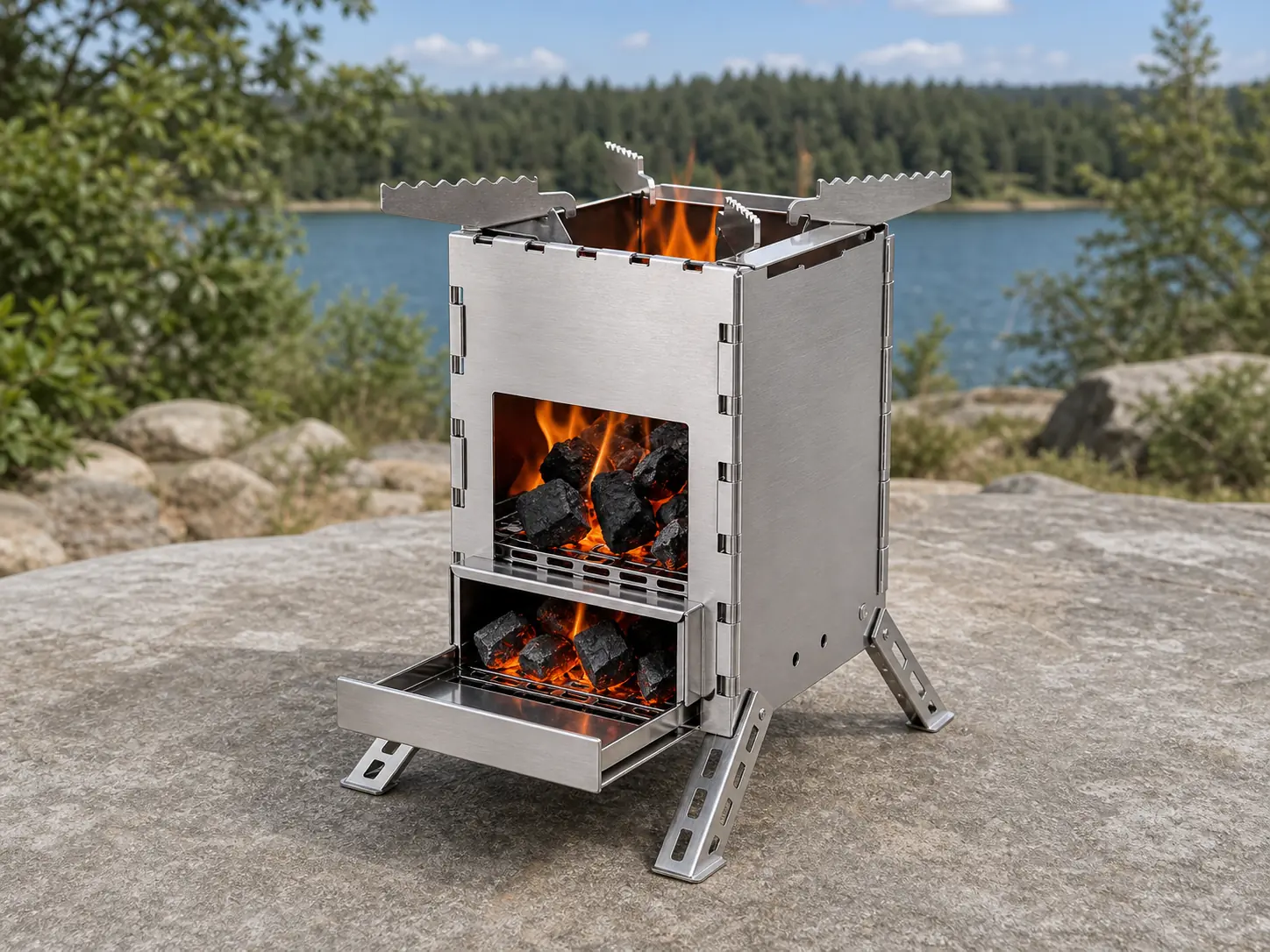
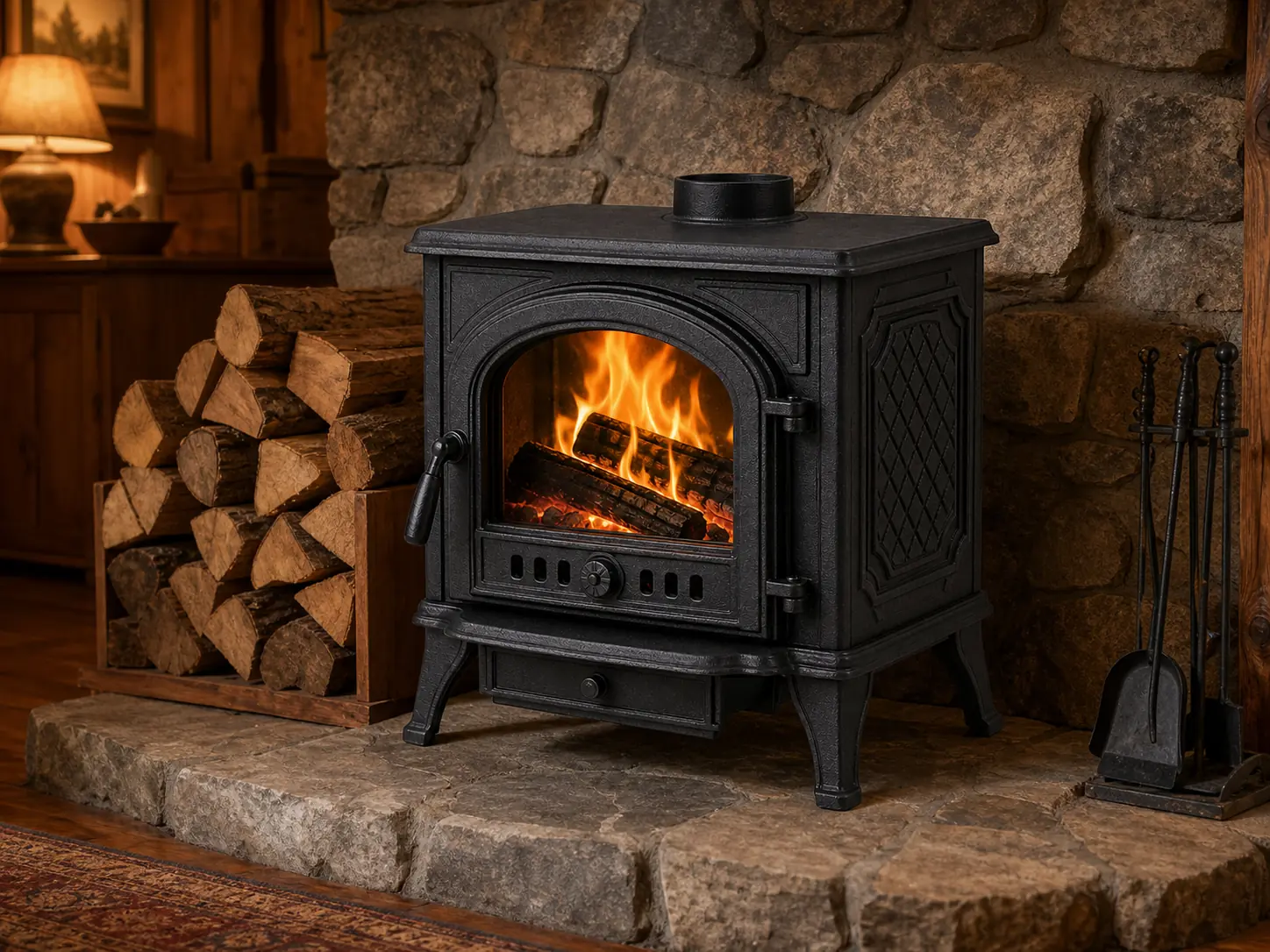
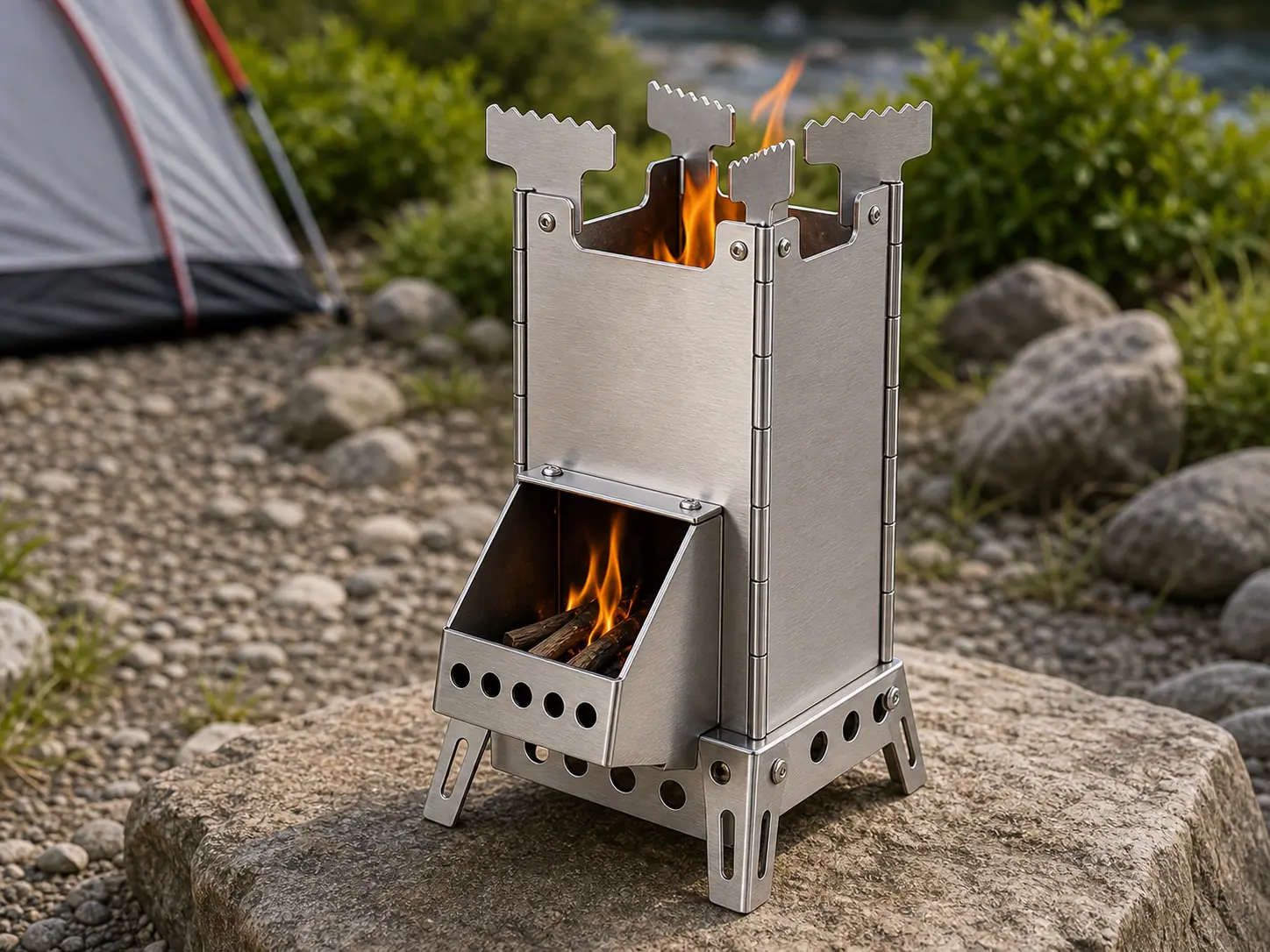
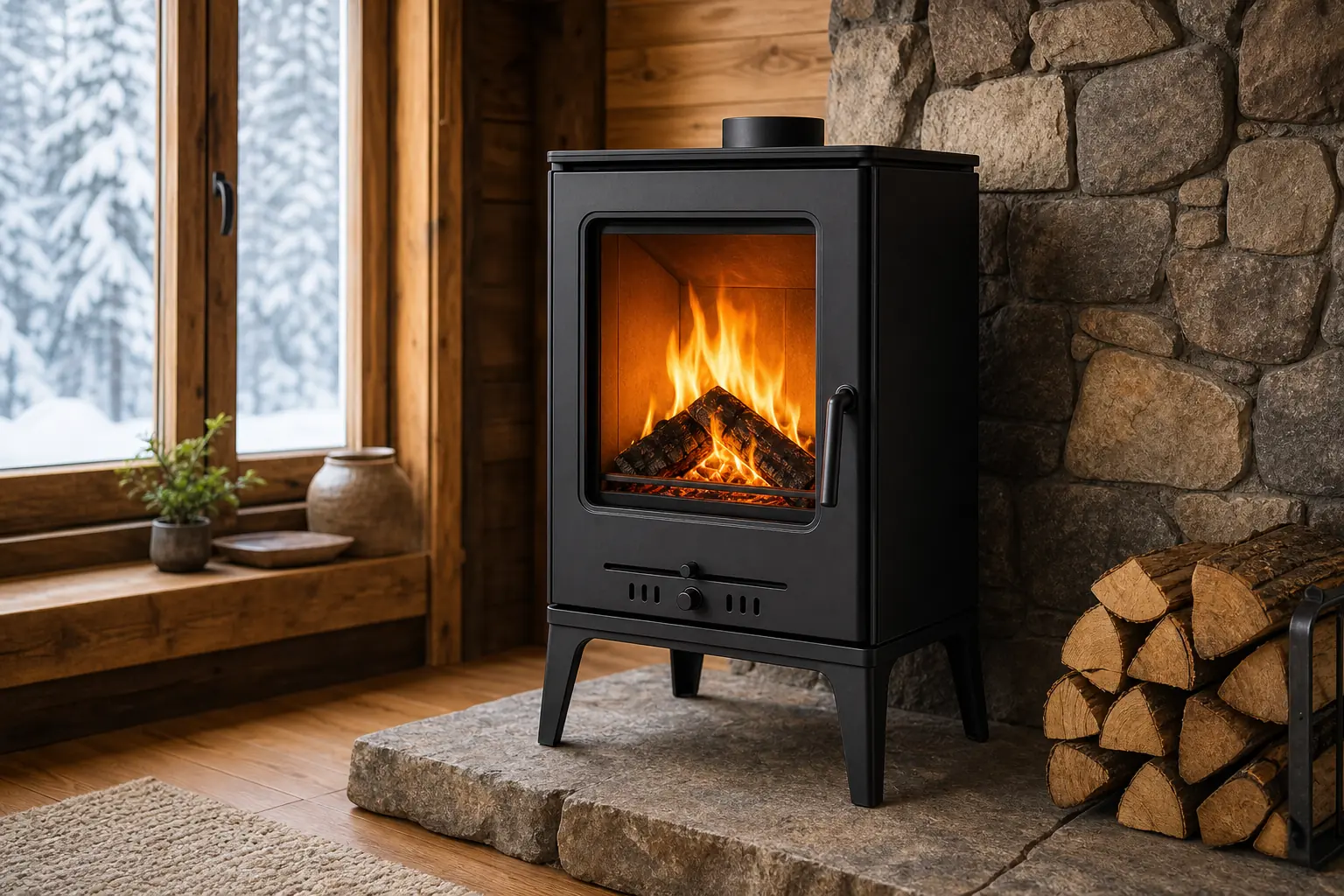
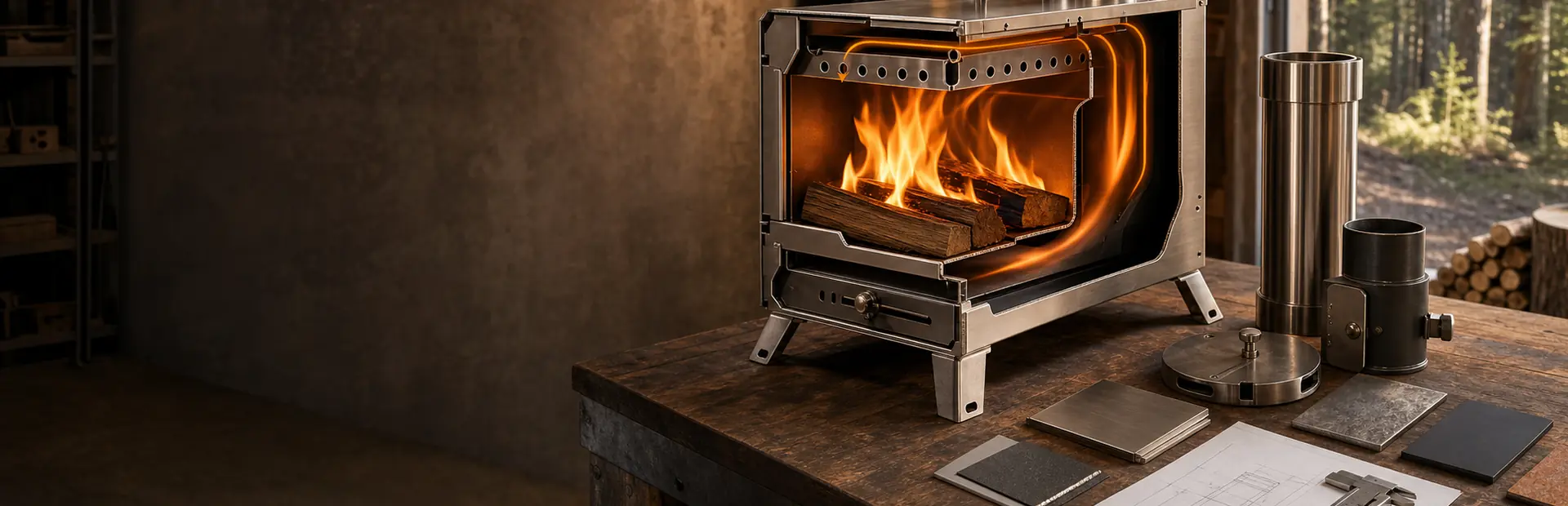
Outdoor stove technology has to serve the user. Airflow, combustion structure, material choice, heat control, and manufacturing quality should all support the intended use case instead of existing as isolated features.
For buyers, technical discussion is most useful when it connects performance expectations with product size, fuel type, user environment, and price position.
1. Combustion and Airflow
Secondary-air and staged-airflow structures are used to influence gas mixing and combustion behavior in selected wood-burning products. Their effect must be evaluated on the specific design because fuel condition, chamber geometry, inlet position, and operating method all affect the result.
Airflow planning also affects ignition, draft stability, smoke behavior, and how easily the user can control heat during cooking or heating.
2. Material and Heat Control
Stainless steel, coated carbon steel, cast iron, and lightweight alloy each create different tradeoffs in cost, durability, weight, corrosion resistance, and heat retention.
Heat-control details can include door design, intake openings, chimney draft, cooking plates, firebox size, and the spacing between internal parts.
3. Manufacturing Review
Technical quality is also created in production. Forming, welding, coating, assembly, inspection, and export packing all affect how the product performs after repeated use.
For OEM and wholesale projects, technical requirements should be translated into sample checks and inspection points before mass production.
- Air inlet position
- Chimney route
- Firebox volume
- Material thickness
- Coating quality
- Weld quality
- Assembly fit
- Packing protection
NEXT STEP
Turn Technical Notes Into Sample Checks
A useful technical discussion ends with clear sample review points. Define what should be tested, inspected, and protected before moving into mass production.
Request Technical Review