SELECTION GUIDE
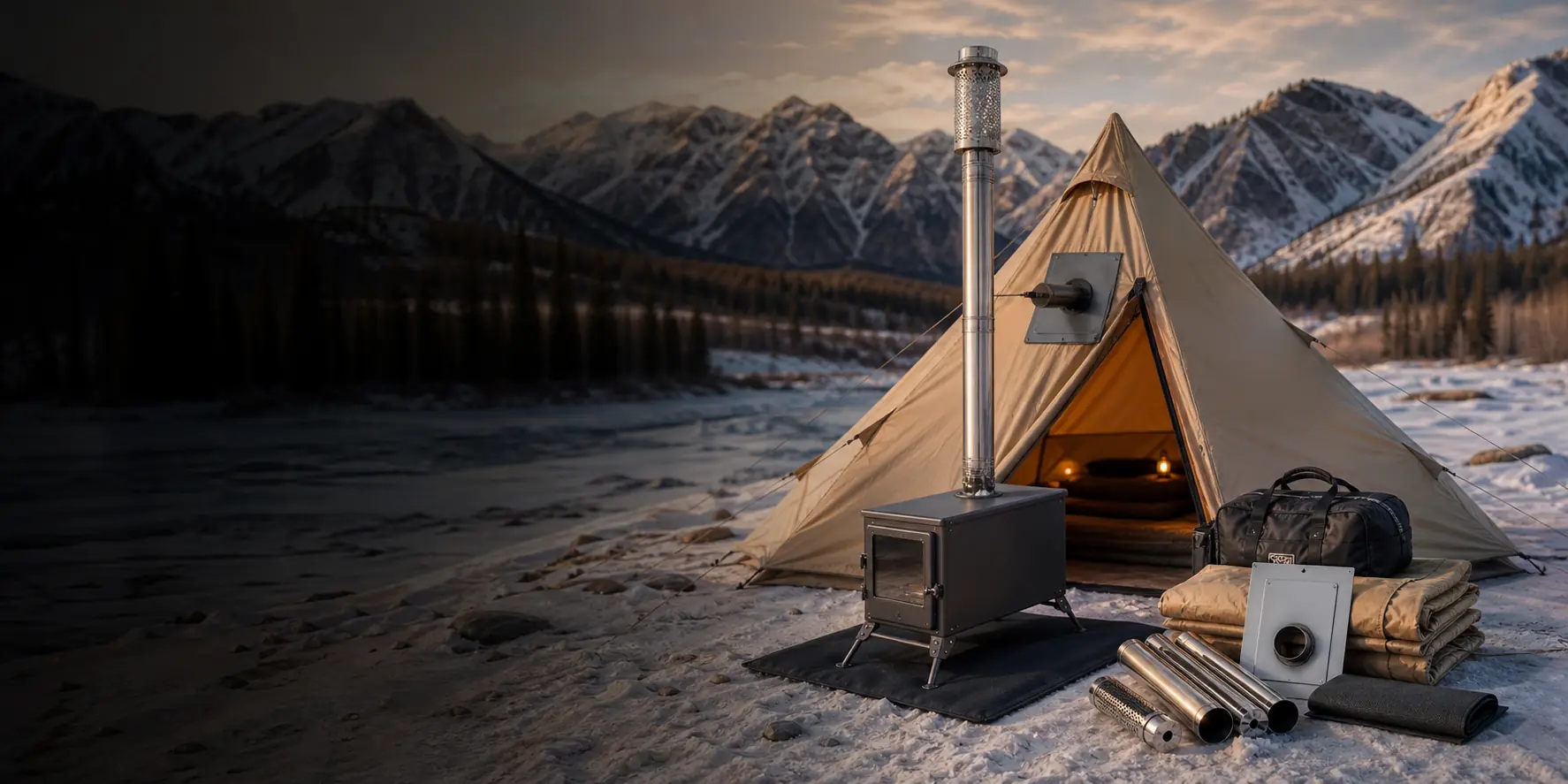
Choose the Stove as a Complete Shelter System
A tent stove is not selected by body size alone. The right product must match the tent volume, chimney route, ventilation plan, fuel type, packing method, and the level of comfort expected by the end user.
for outdoor brands and distributors, the right tent stove is the model that can be explained clearly, packed safely, assembled reliably, and supported with the right accessory kit.
1. Match the Stove to Tent Size
A tent-stove configuration should be reviewed against shelter volume, expected conditions, user count, fuel and the complete compatible system. Suitability cannot be established from stove size alone.
For smaller shelters, buyers may prioritise compact dimensions and packing format. The selected stove, pipe route, tent-jack arrangement and ventilation requirements still need to be assessed together.
For larger shelters or longer stays, buyers may review a larger body and cooking surface. Fuel capacity, operating behaviour and system suitability should be confirmed on the selected model rather than assumed from size.
For base-camp shelters, hunting tents, and extended winter use, a larger stove body may be needed. Buyers should also plan for additional protective packaging and confirm the pipe components required for the selected stove and installation.
2. Plan the Chimney System First
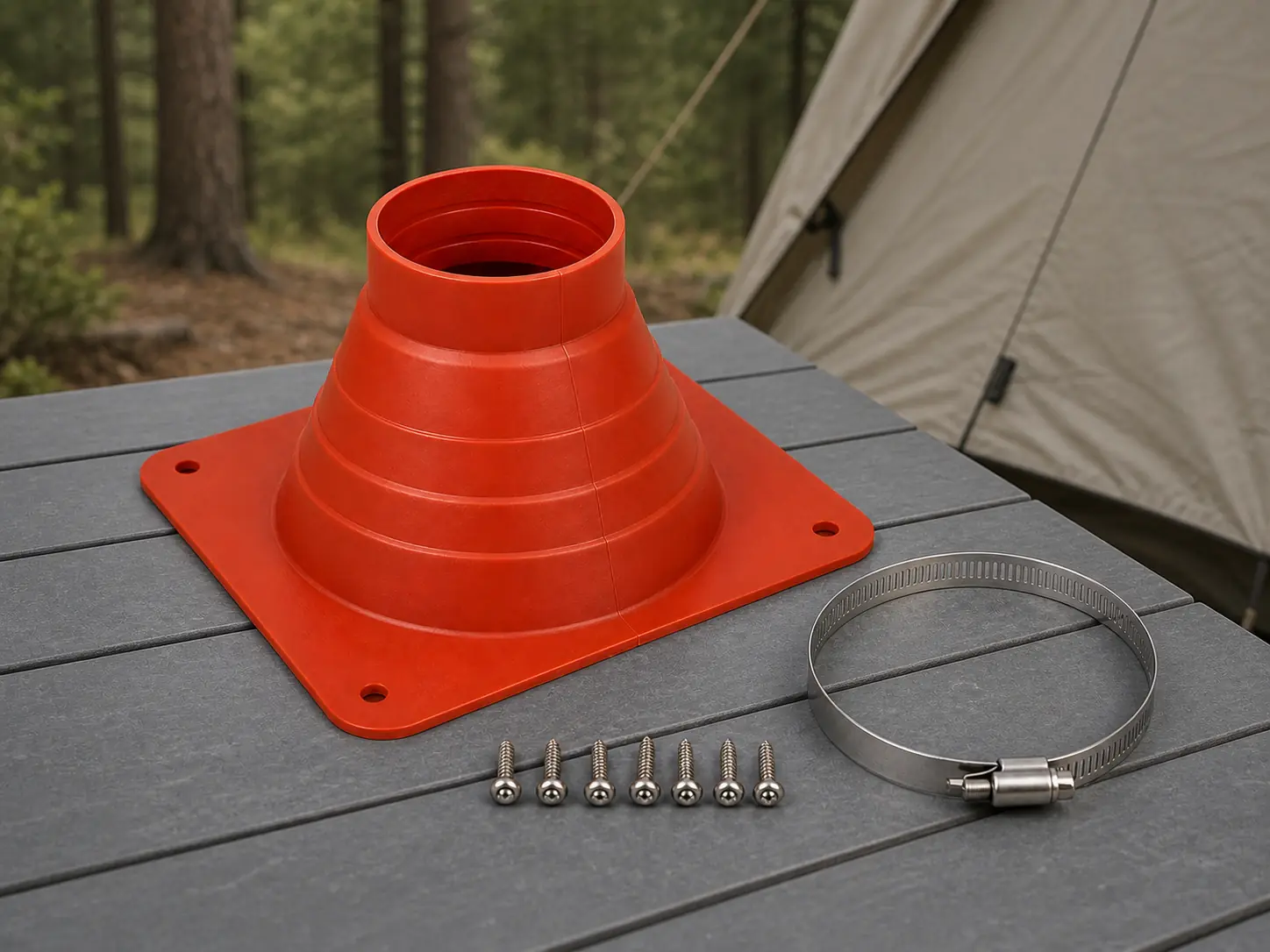
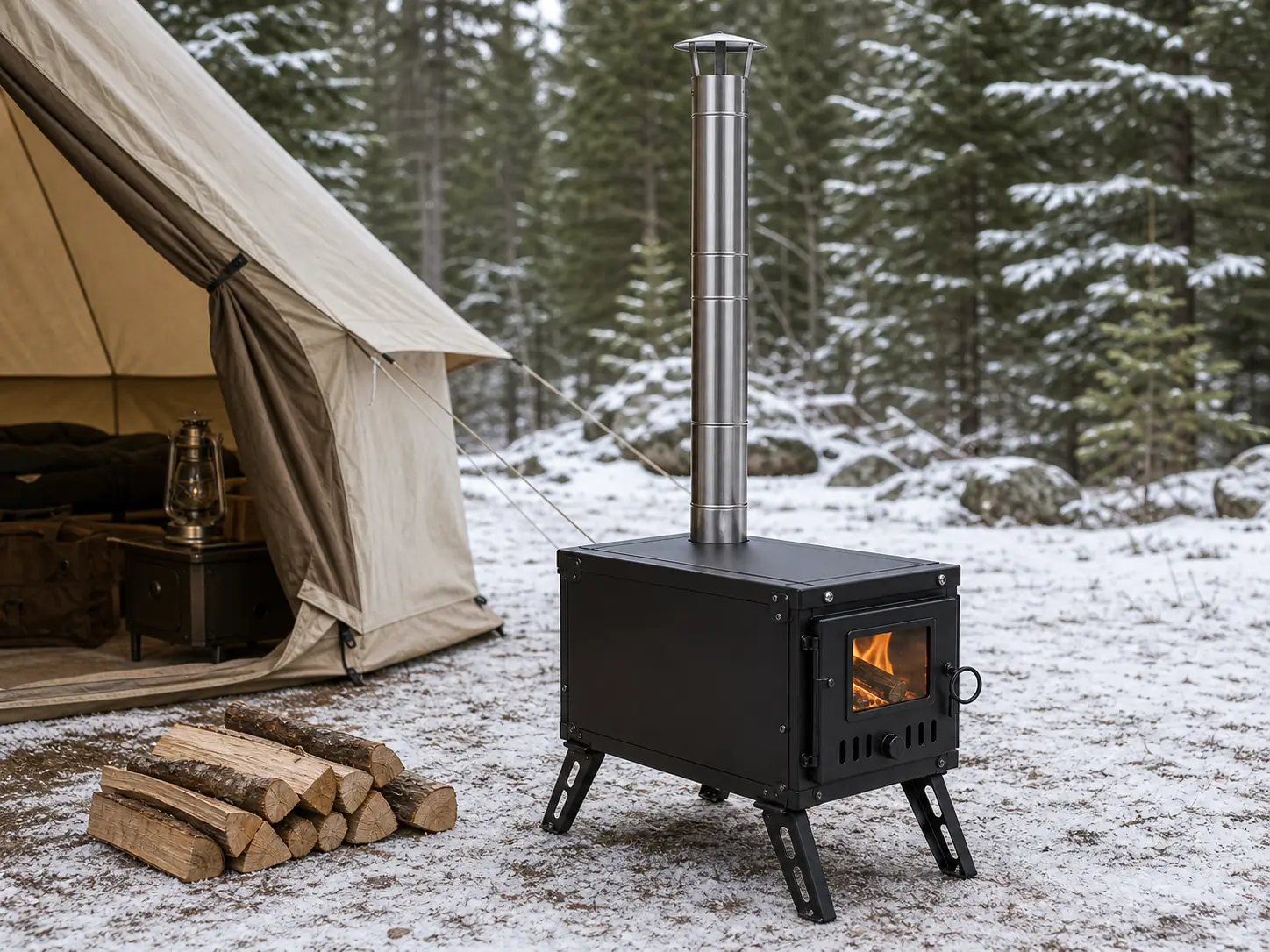
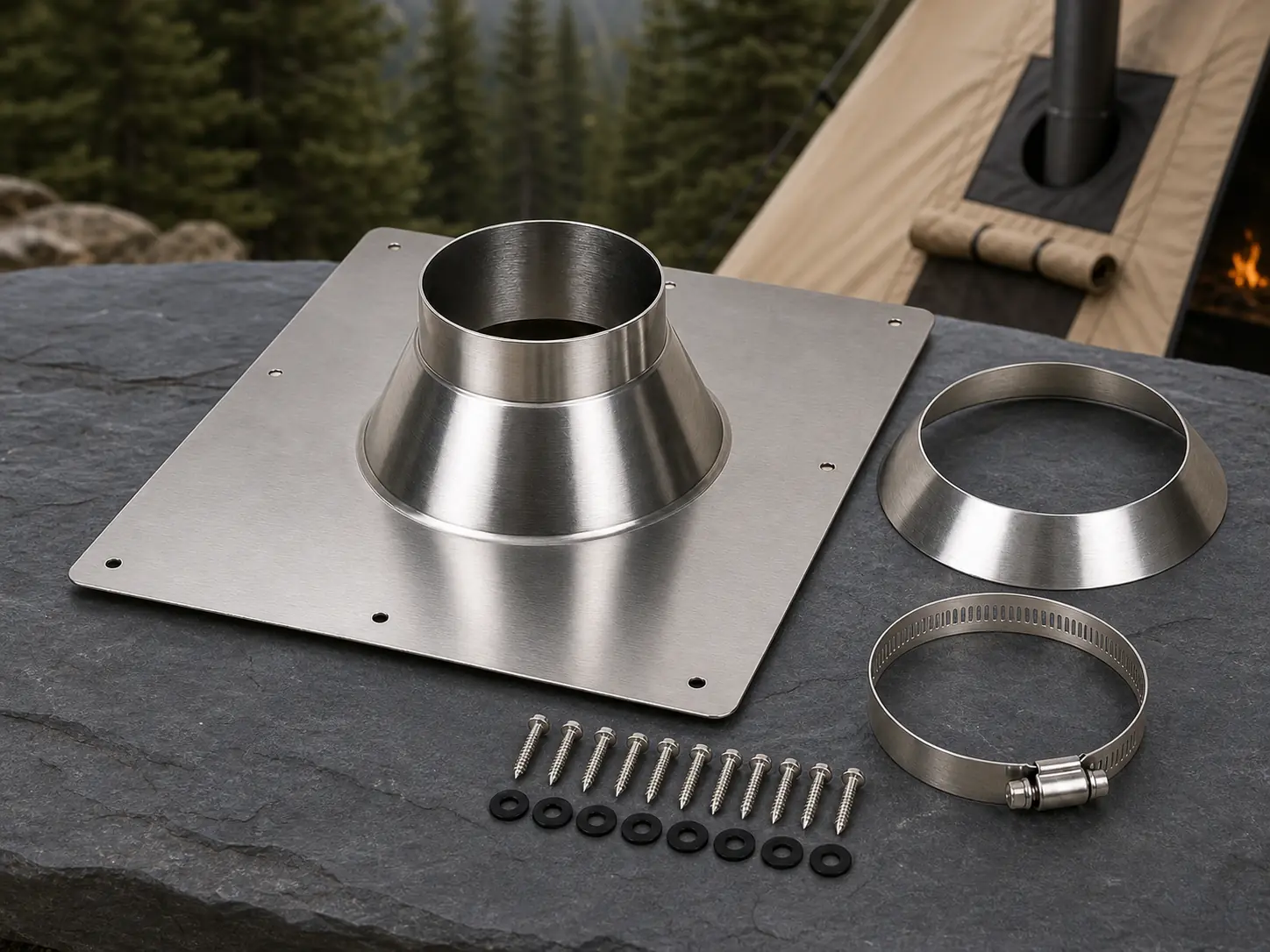
The flue configuration is not an accessory detail. Pipe diameter, section length, cap, damper option, connection method and storage arrangement must be confirmed for the selected stove and intended installation.
The planned flue route, joints, exit location and clearances should be reviewed against the selected system, installation instructions and applicable local requirements.
For wholesale projects, confirm whether the product will ship as a stove-only unit or with the selected pipe and accessory components. The agreed supply scope should define packing, inspection points and destination-market documentation.
3. Choose the Right Material
Material affects heat transfer, weight, deformation resistance, rust protection, and price positioning.
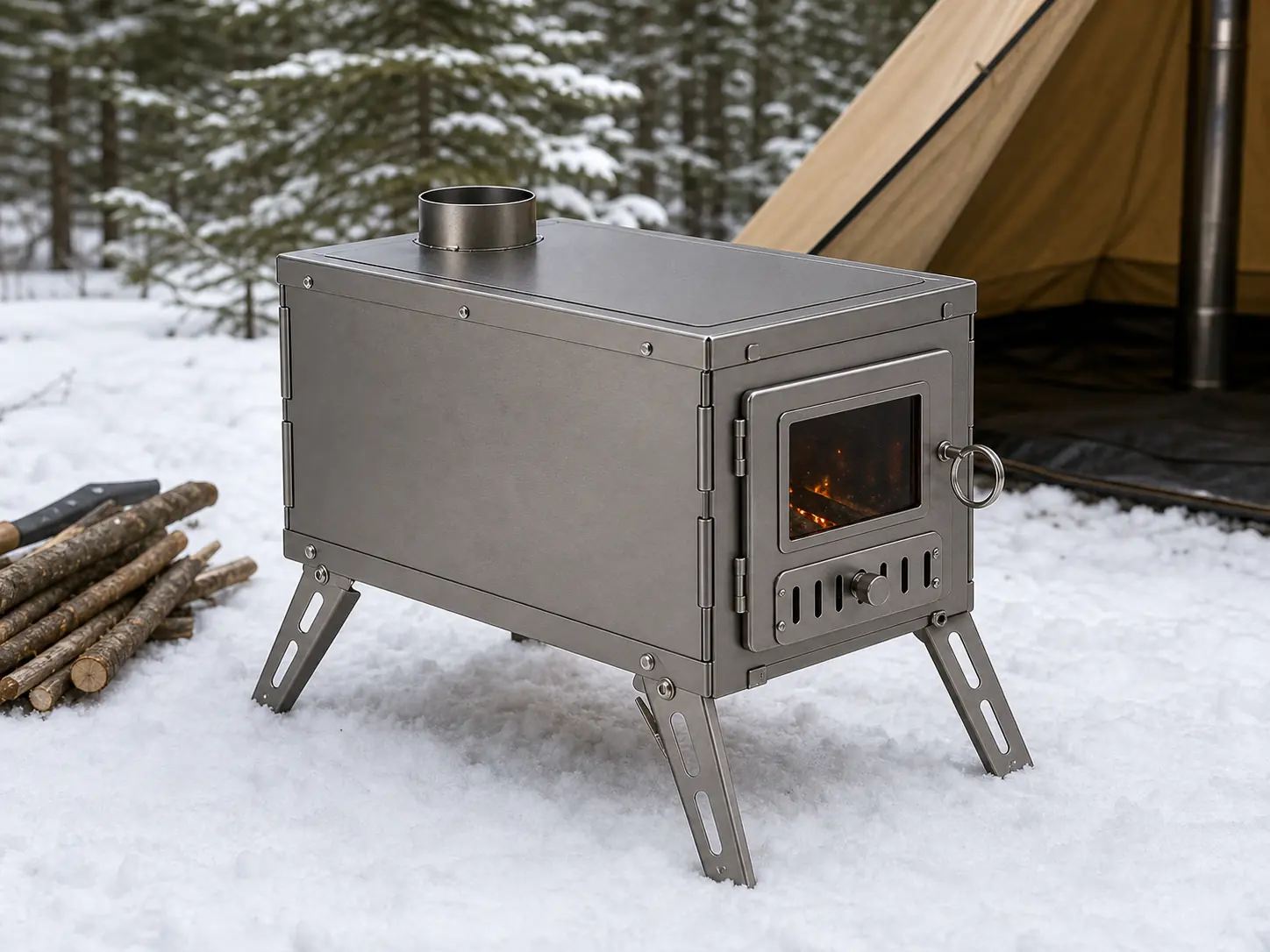
Stainless steel is commonly specified for outdoor stove programs. Buyers should confirm grade, thickness, finish and intended operating conditions for the selected model.
Carbon steel can offer a strong body and competitive cost, but surface coating, storage conditions, and rust protection should be reviewed carefully.
Titanium is attractive for ultralight users, but it raises cost and may require a more specialized buyer group. It is usually better for higher-end backpacking or compact expedition products.
Cast iron generally changes product weight and handling requirements. Its suitability should be assessed against the selected product format, packaging and intended market.
4. Review Firebox Capacity
Firebox capacity affects fuel loading, operating pattern and packing volume. Buyers should assess those factors on the selected configuration; this guide does not state burn time or heating-output performance.
For compact tents, buyers should review airflow layout and fuel-loading behavior instead of simply increasing firebox volume.
For larger shelters, buyers should confirm the supported fuel dimensions and loading arrangement in the selected model documentation.
The door latch, ash handling, air inlet, and internal support structure should all be checked during sample review.
5. Decide Whether a Glass Window Is Needed
A glass window provides a view into the firebox. Buyers should assess the selected glass, sealing, replacement and packaging arrangement for the intended product line.
However, glass adds cost and requires more attention to sealing, cleaning, replacement, and packaging protection.
For private-label projects, a glass-window model can work well for higher-end retail positioning. For rugged utility lines, a simpler steel-door model may be the better choice.
6. Check Ventilation and Safety Planning
Tent-stove use depends on the complete compatible system, manufacturer instructions, ventilation plan, installation method and applicable local requirements. This guide does not replace system documentation or operating instructions.
Buyers should confirm clearances, spark-arrestor options, support arrangement, pipe components and compatibility with the selected tent system.
For export and wholesale programs, safety instructions, warning labels, and manual quality should be reviewed before mass production.
7. Confirm Packing and Accessories
A tent-stove supply scope may include pipe sections, spark-arrestor, damper, carry bag, ash tray, gloves, side shelves, water tank or replacement glass, where specified.
Each selected accessory affects carton size, inspection points, documentation and after-sales planning. The quotation should identify included, optional and excluded components clearly.
- Chimney sections
- Spark arrestor
- Damper or draft control
- Carry bag
- Ash tray
- Replacement glass
- Side shelves
- Water tank option
8. Sample Review Checklist
Before placing a larger order, review the sample as the complete selected configuration rather than the stove body alone.
Check assembly fit, door sealing, pipe joints, glass protection, support arrangement, coating quality, packing strength and the instructions supplied with the selected system.
- Target tent size
- Expected weather use
- Chimney kit configuration
- Material and finish
- Firebox size
- Glass window option
- Accessory list
- Carton size and protection
- Manual and warning labels
CONCLUSION
A Tent Stove Works Best as a Matched Kit
A good tent stove program balances shelter size, chimney draft, material choice, firebox capacity, accessory planning, and safe ventilation instructions. For wholesale and OEM buyers, the full kit and packaging route matter as much as the stove body.
Discuss a Tent Stove Project