Technology Note
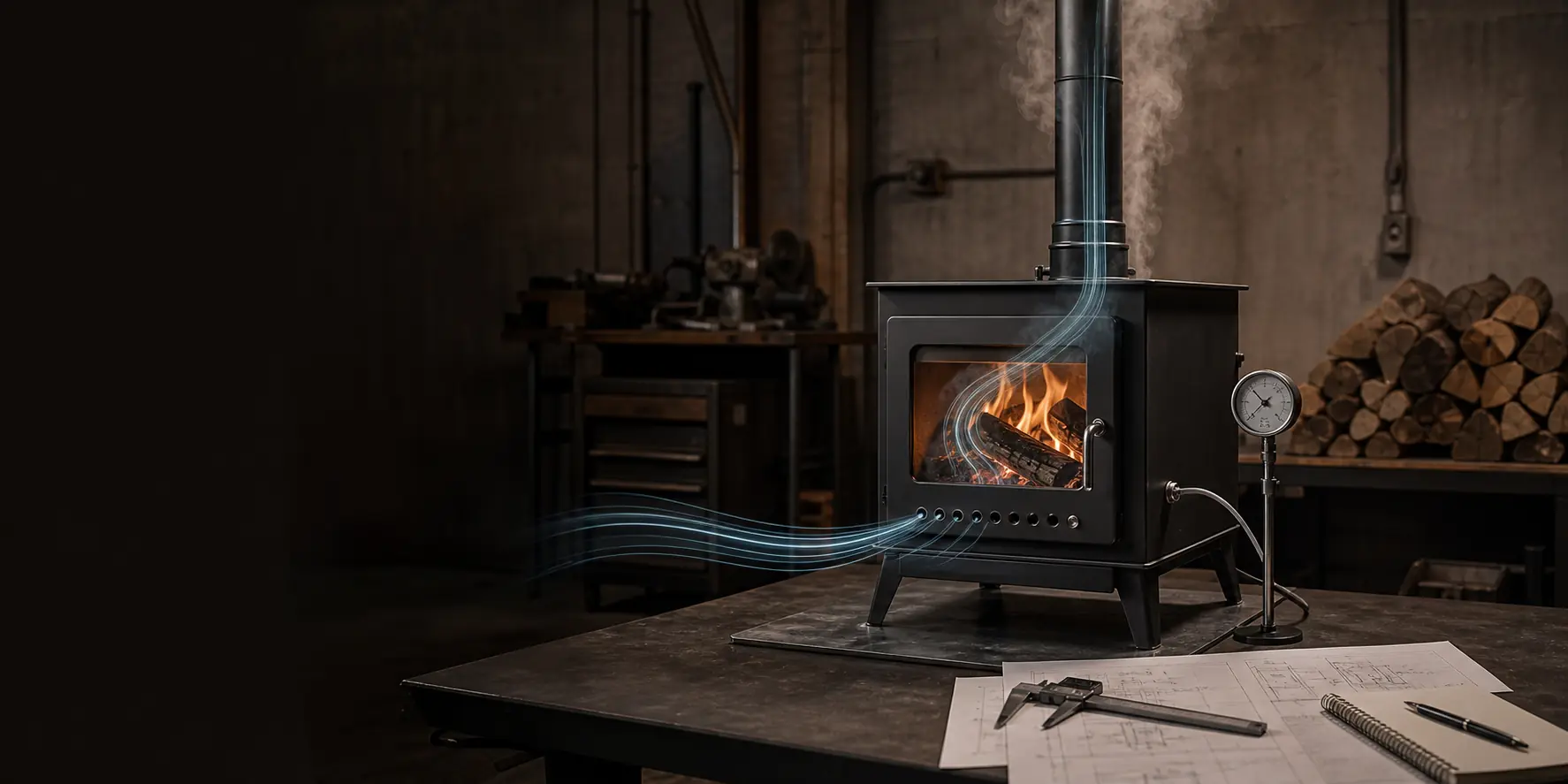
Airflow Controls the Stove Experience
Airflow influences ignition, flame behavior, exhaust movement, heat output, and user control. Buyers should review how each model routes intake air and exhaust gases rather than assuming that one layout suits every fuel or use case.
For B2B product selection, airflow should be reviewed before confirming sample structure because it affects the test plan, documentation, accessory compatibility and operating instructions.
1. Key Airflow Paths
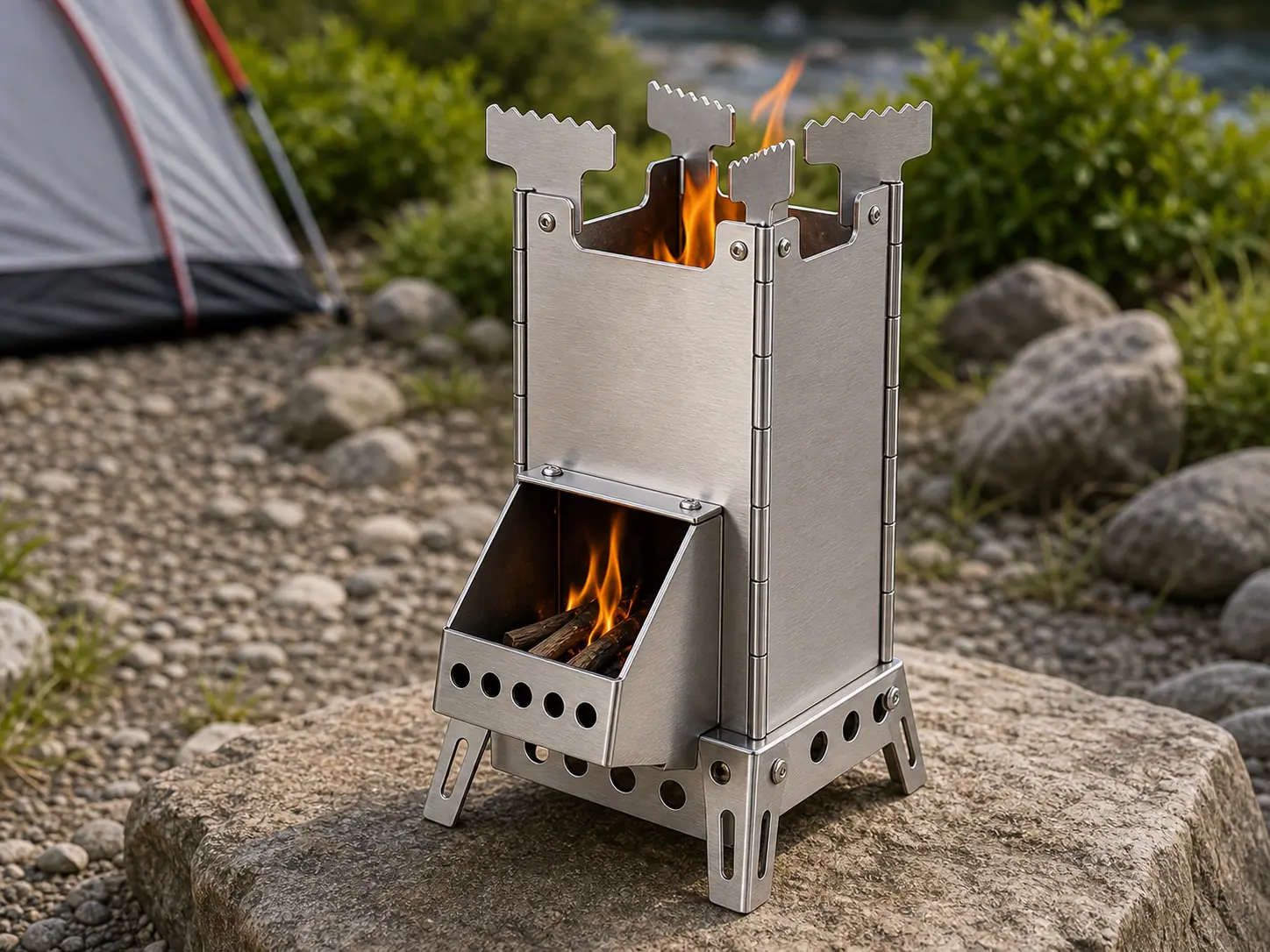
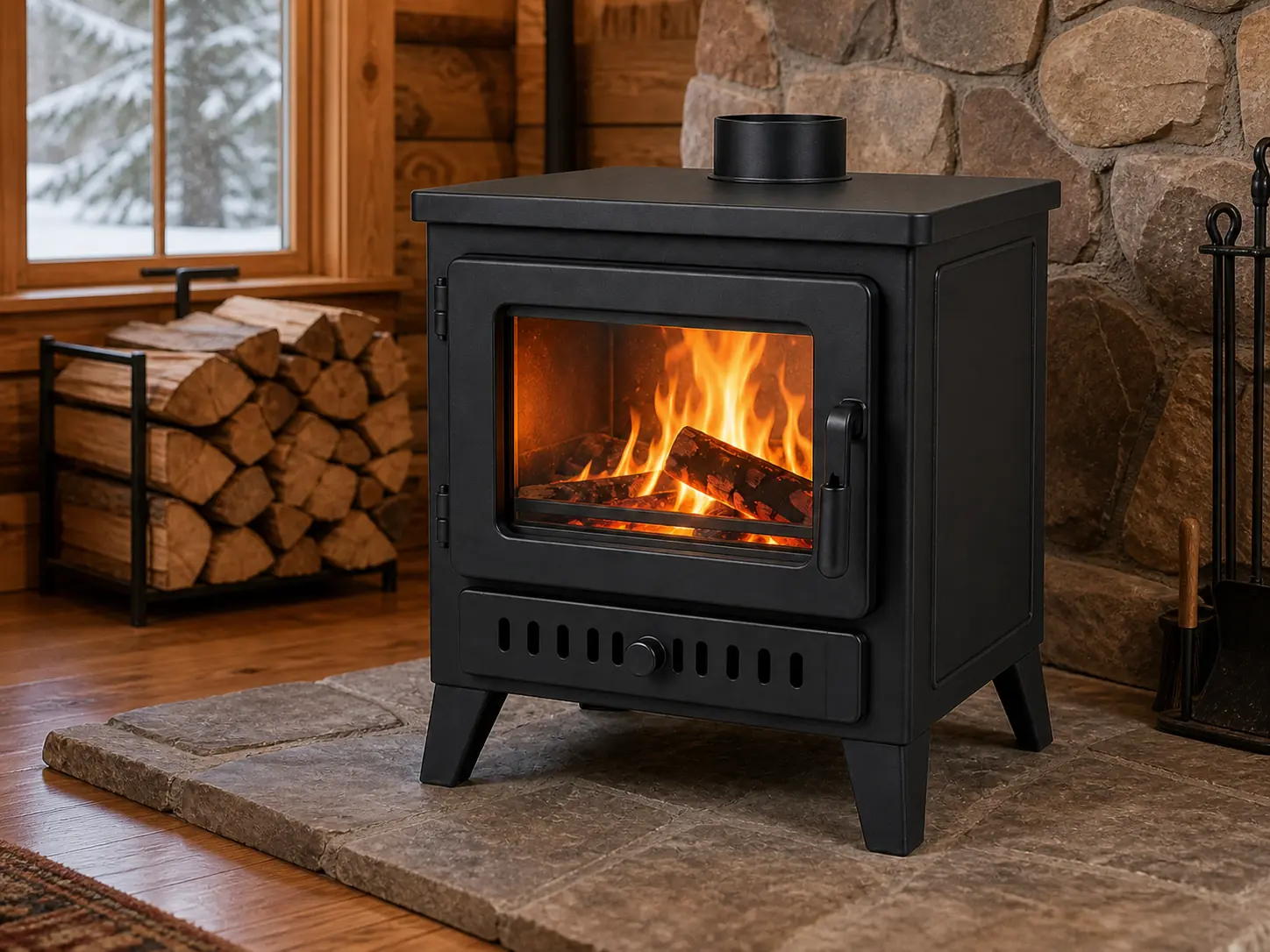
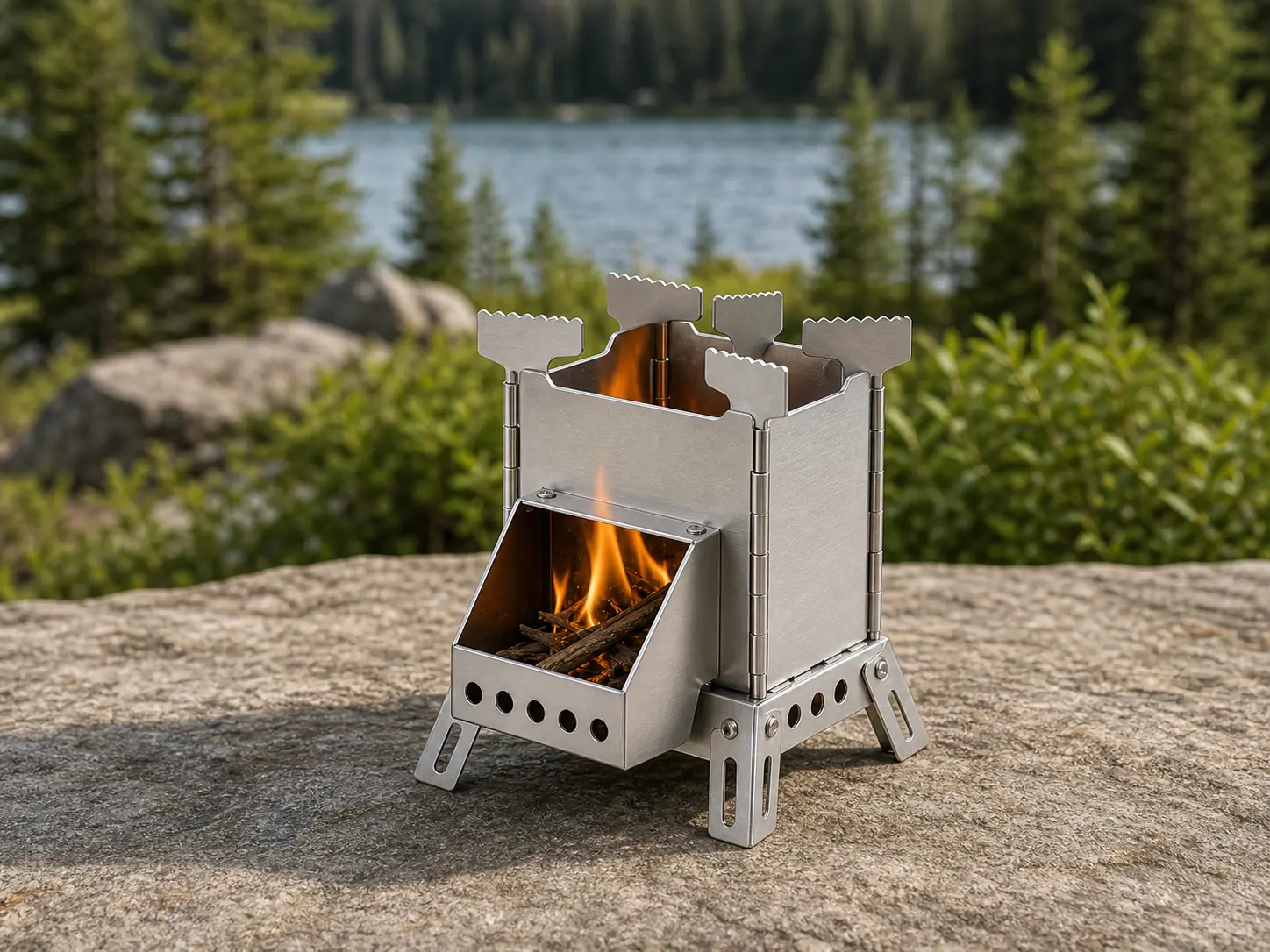
Most stove designs need primary intake, combustion chamber flow, exhaust path, and sometimes secondary or tertiary air. Each path should support the intended fuel and use scenario.
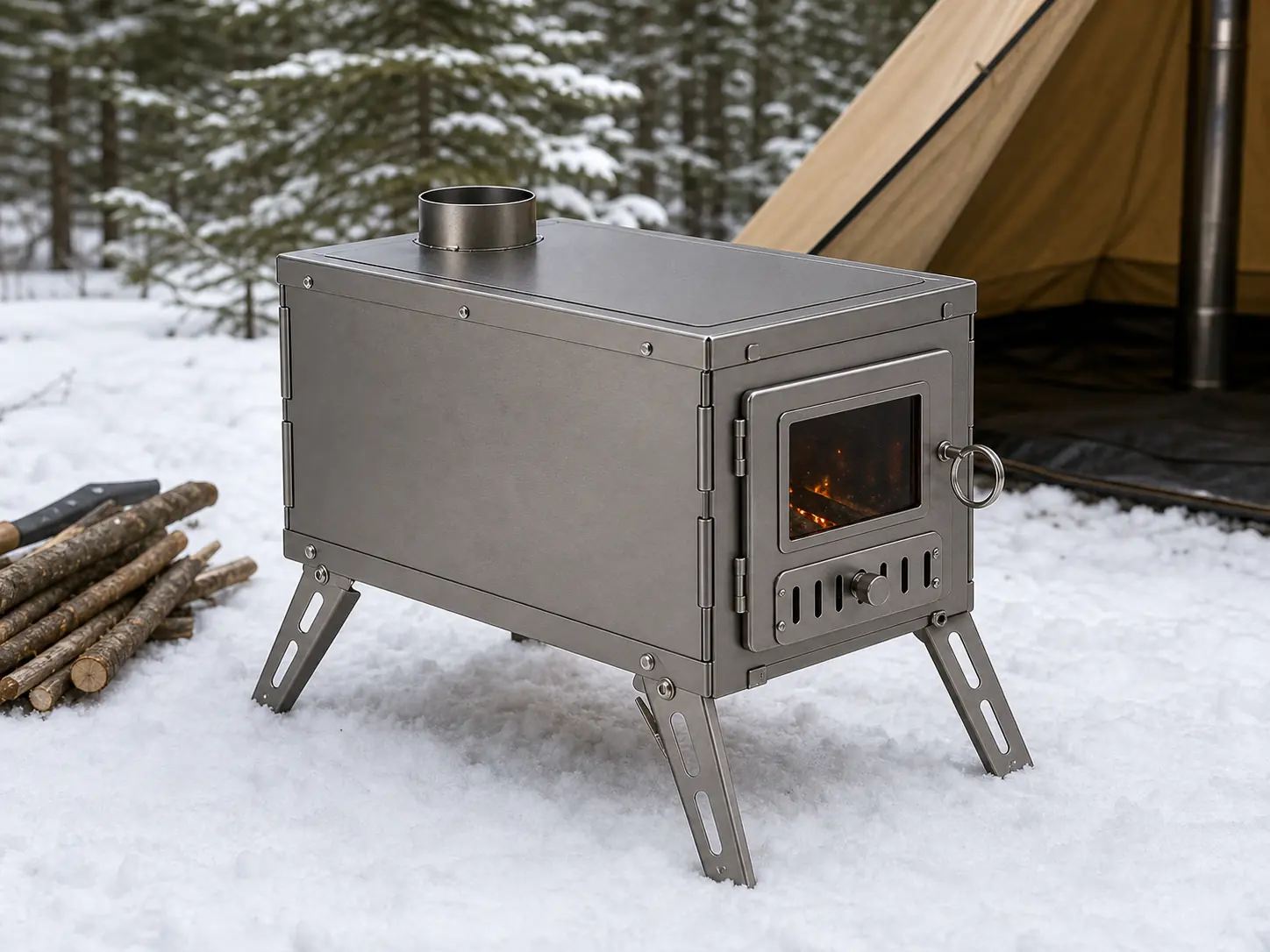
Tent stoves also need chimney routing and ventilation planning. Fire pits may rely more on lower intake holes, double-wall paths, and upper burn zones.
2. Chimney and Draft Planning
Flue behaviour depends on the selected diameter, length, joints, route, installation and operating conditions. Those elements should be evaluated on the complete selected system rather than assumed from a single component.
For hot-tent products, pipe components, spark-arrestor, damper option, tent-jack compatibility and instructions should be reviewed together.
- Intake openings
- Chimney diameter
- Chimney height
- Damper option
- Spark arrestor
- Ventilation notes
3. Sample Test Priorities
A sample test plan may include cold start, operating conditions, refuelling, wind exposure and ash buildup. Test records should describe the selected fuel, configuration and operating method.
Buyers can record smoke behaviour, flame response, fuel consumption and air-control operation for comparison during sample review.
NEXT STEP
Evaluate Airflow on the Intended Product Configuration
Airflow review should cover ignition, draft, heat control, exhaust behavior, fuel assumptions, and ease of operation on the actual sample configuration.
Discuss Airflow Requirements