Technology Note
Secondary Combustion Depends on the Complete Air Path
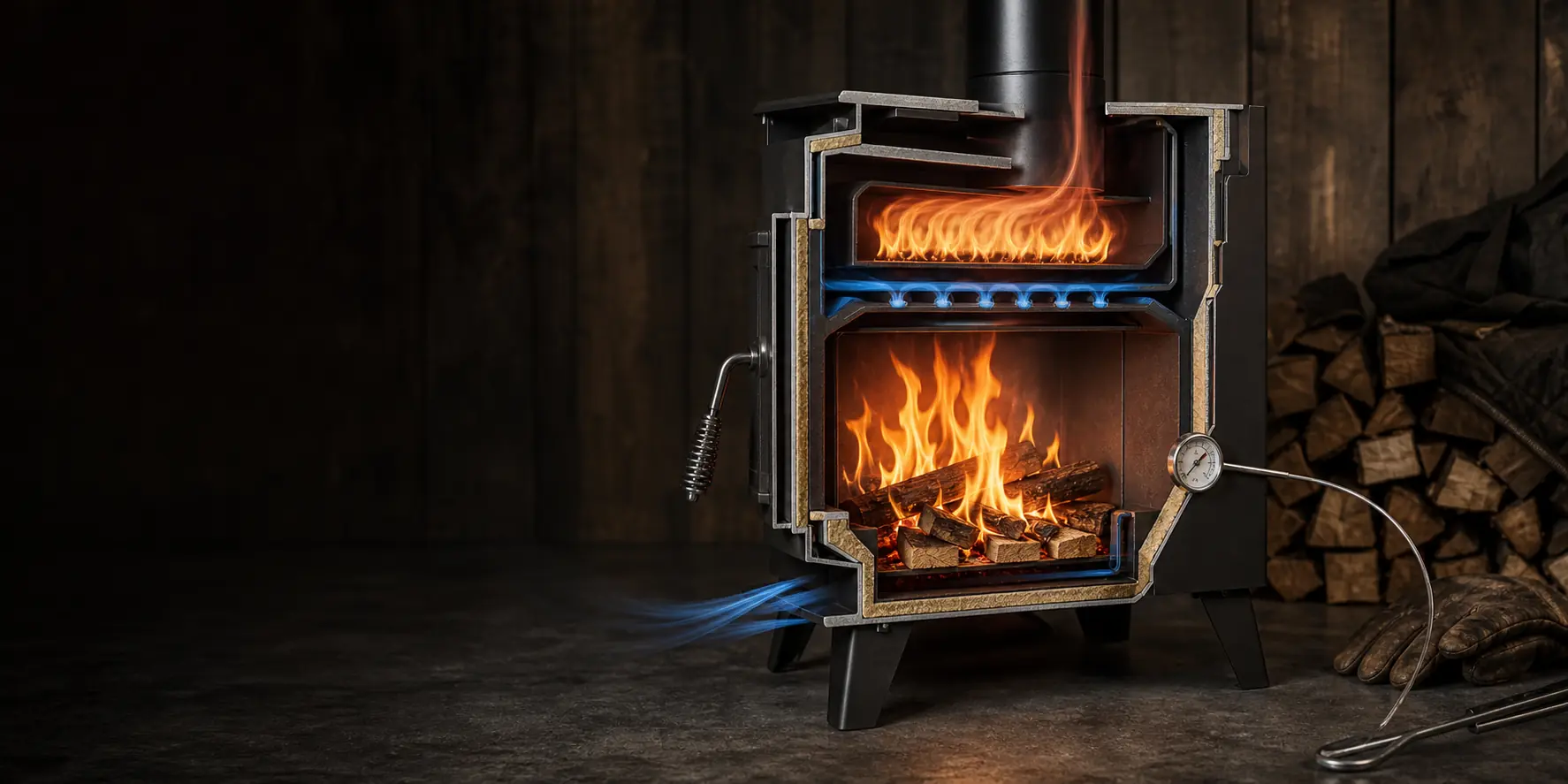
Secondary combustion uses staged airflow to help burn hot gases that would otherwise leave the firebox as smoke. The result depends on air path design, chamber temperature, fuel condition, and how long gases remain in the hot zone.
Buyers should review this technology as part of the complete product system. Any claim about flame or smoke behavior requires a defined model, fuel, operating method, and test conditions.
1. How Secondary Combustion Works
Primary air supports the main wood fire. Secondary air is introduced above or around the primary flame zone, where hot gases can mix with oxygen and ignite again.
Secondary-air behaviour depends on air temperature, draft, chamber conditions, opening placement, fuel and operation. Any observed effect should be evaluated on the selected model under defined test conditions.
2. What Buyers Should Check
Sample review can record ignition behaviour, startup smoke, flame response after warm-up and operation with the defined test fuel.
Buyers should also review cleaning access, component condition after testing and the instructions needed for the selected configuration.
- Air hole position
- Hot gas path
- Fuel loading
- Draft stability
- Ash handling
- Cleaning access
3. Where It Fits Best
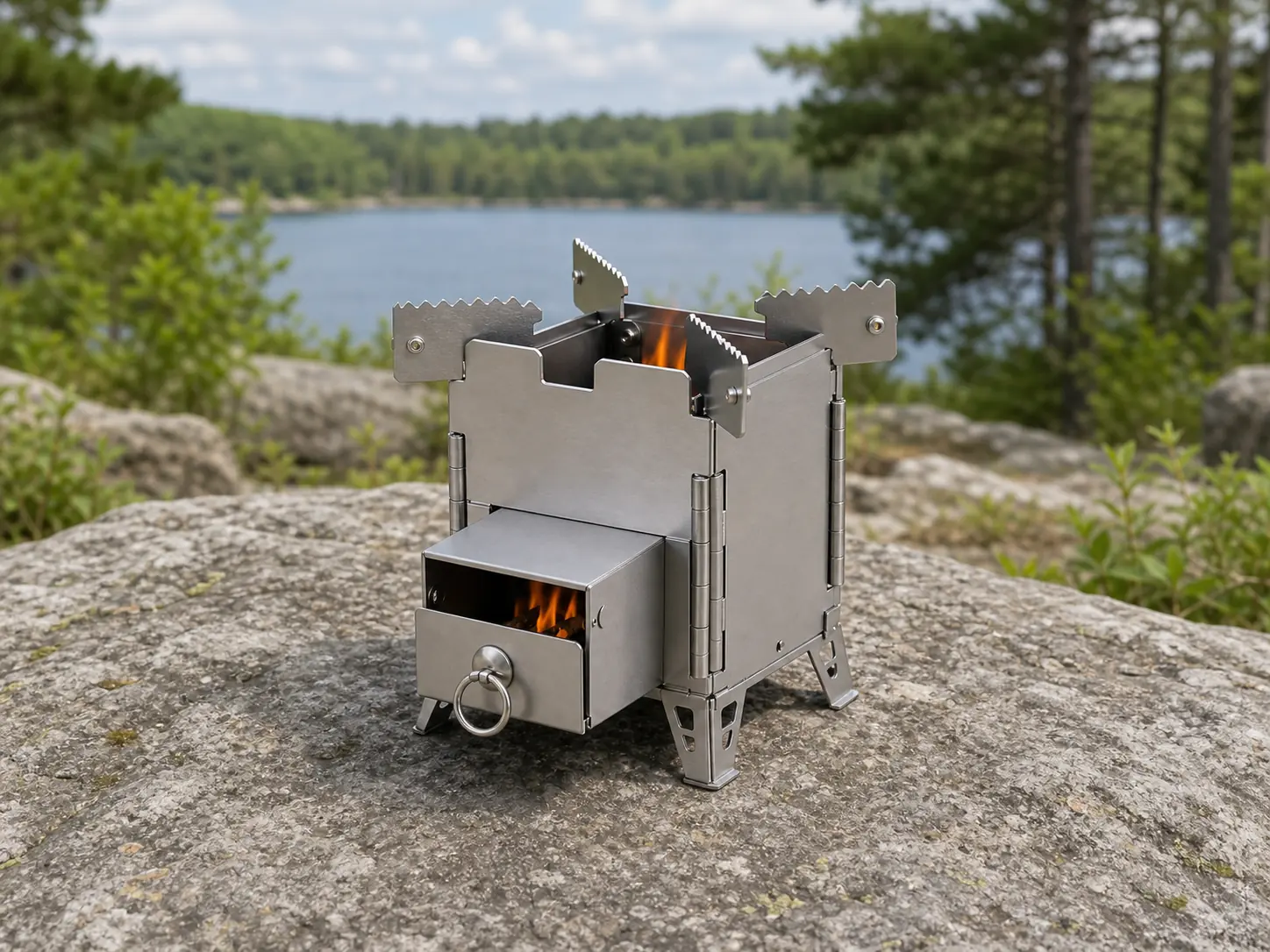
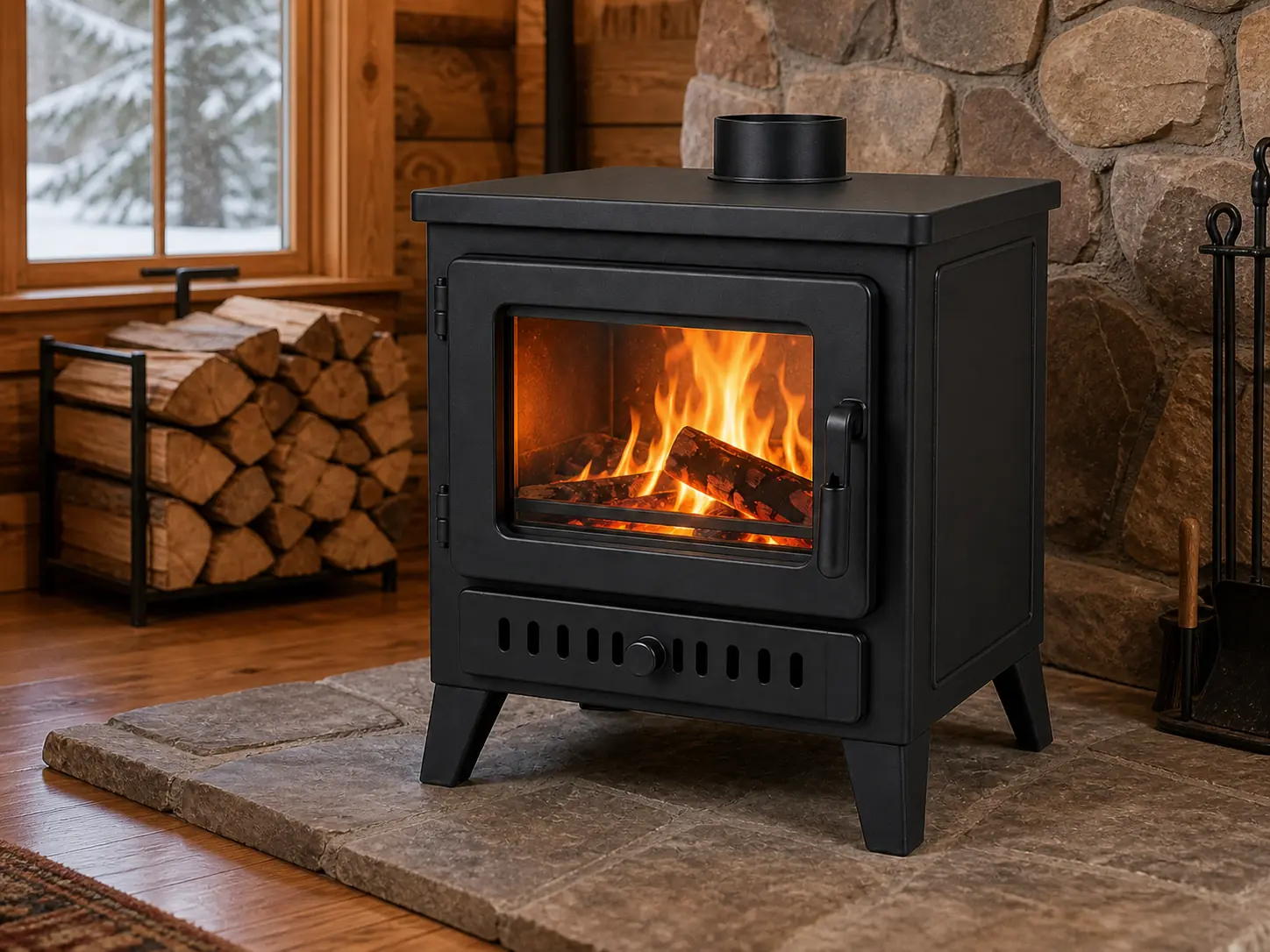
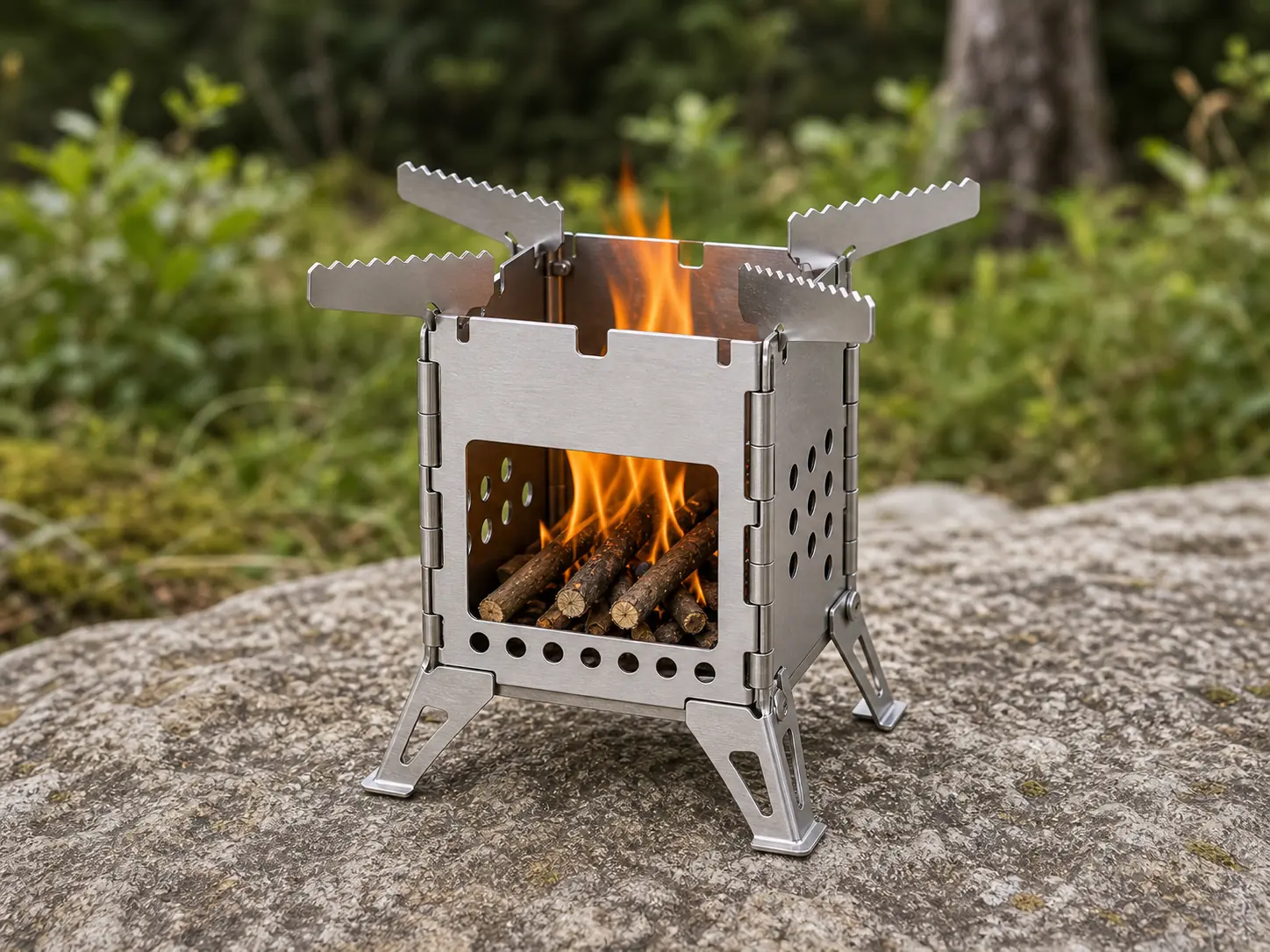
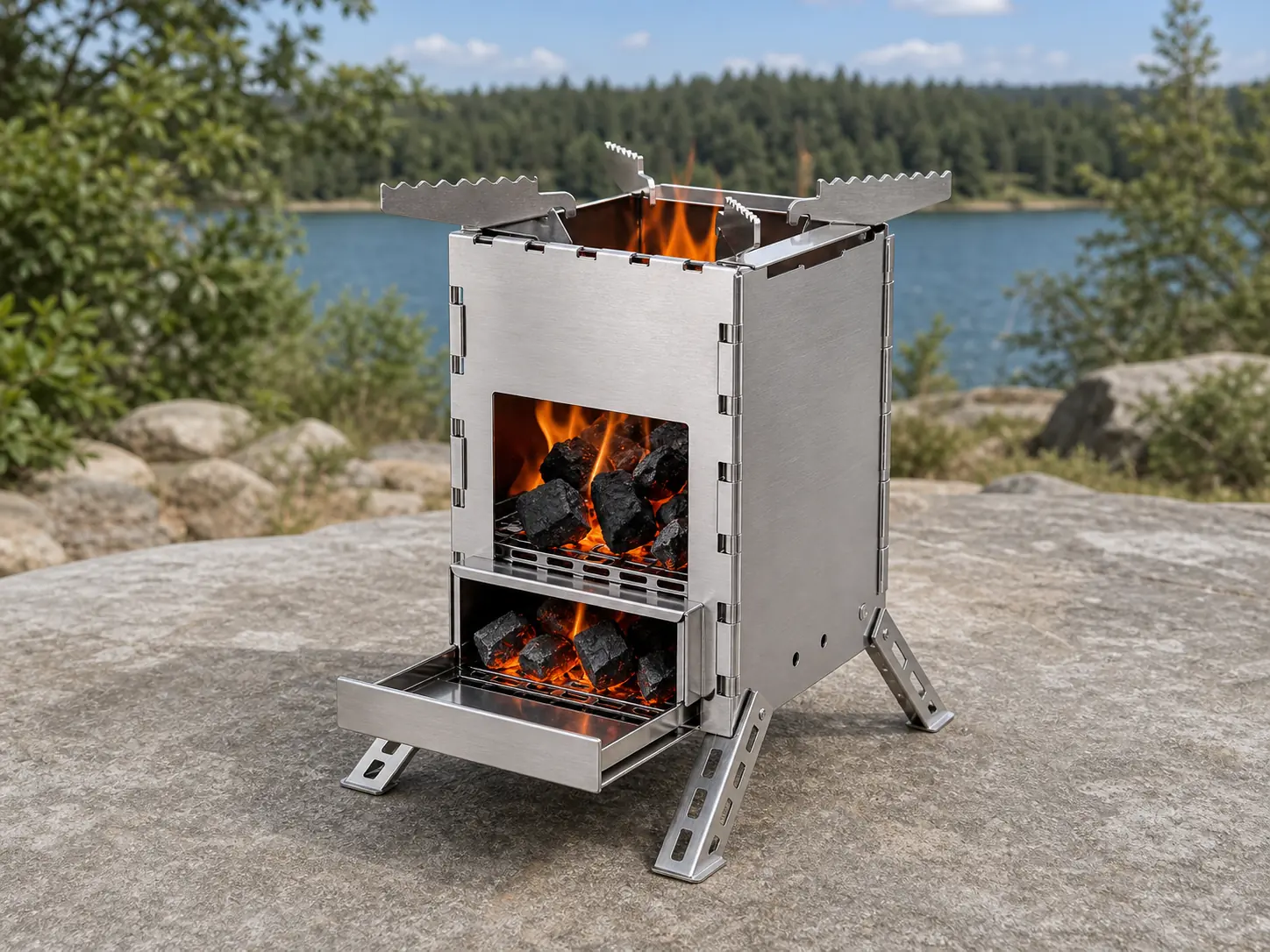
Secondary-air structures are used in selected fire pits, tent stoves, wood stoves, and camping stoves. Any effect on flame behavior or visible smoke must be assessed on the specific model under defined fuel and operating conditions.
It is not a single-part solution. Material thickness, chamber volume, chimney path, and user instructions all influence the final result.
NEXT STEP
Treat Secondary Combustion as a System
A secondary-combustion design should be reviewed as a complete system, including air routing, chamber temperature, draft, materials, fuel assumptions, and user guidance.
Review Combustion Design