Technology Note
Material Choice Shapes Product Positioning
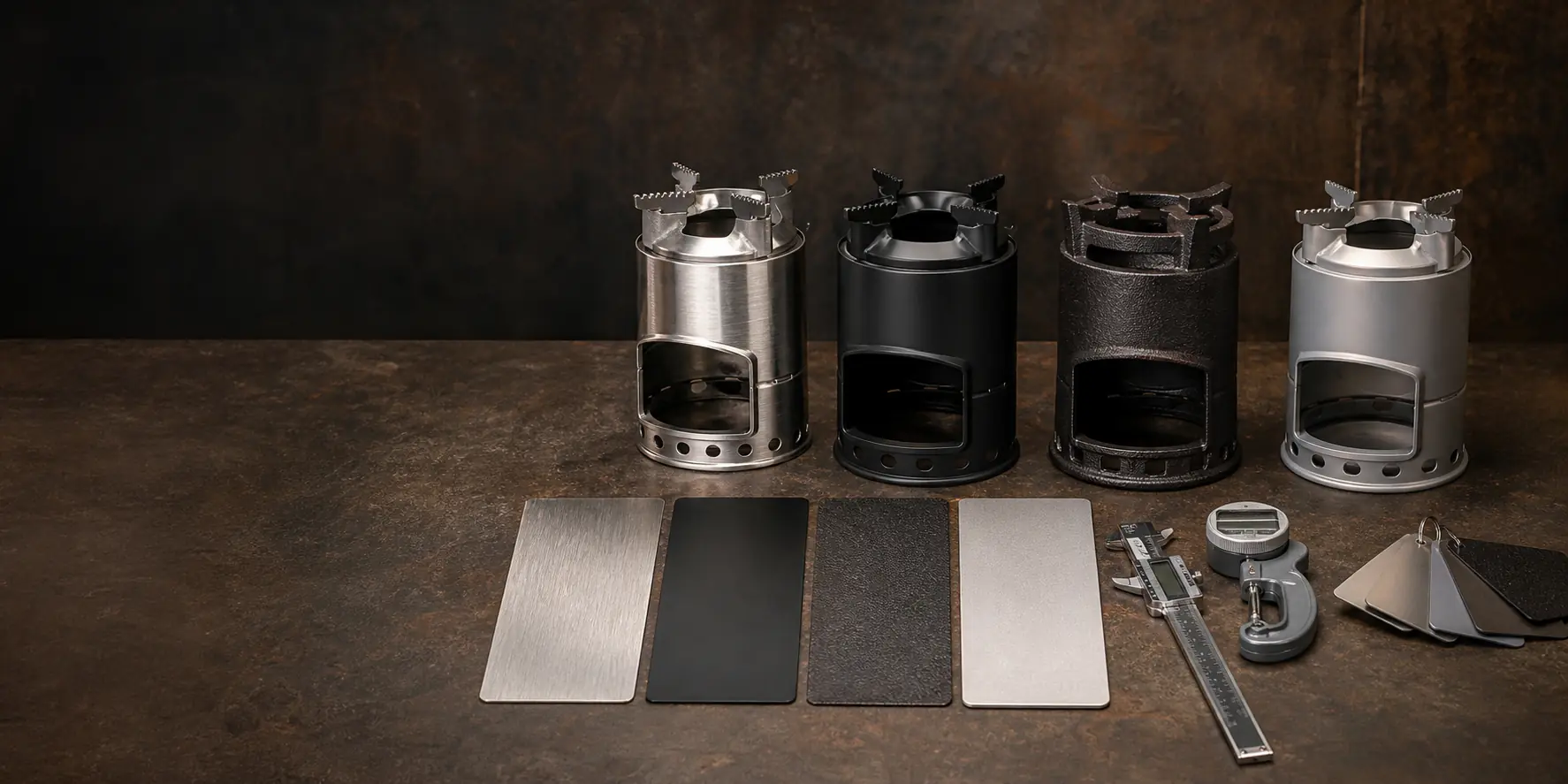
Outdoor stove materials affect weight, durability, heat retention, corrosion resistance, production cost, and final retail positioning. No single material fits for every product.
The right choice depends on whether the product is for backpacking, hot tent heating, backyard use, long-term retail programs, or private-label differentiation.
1. Stainless Steel
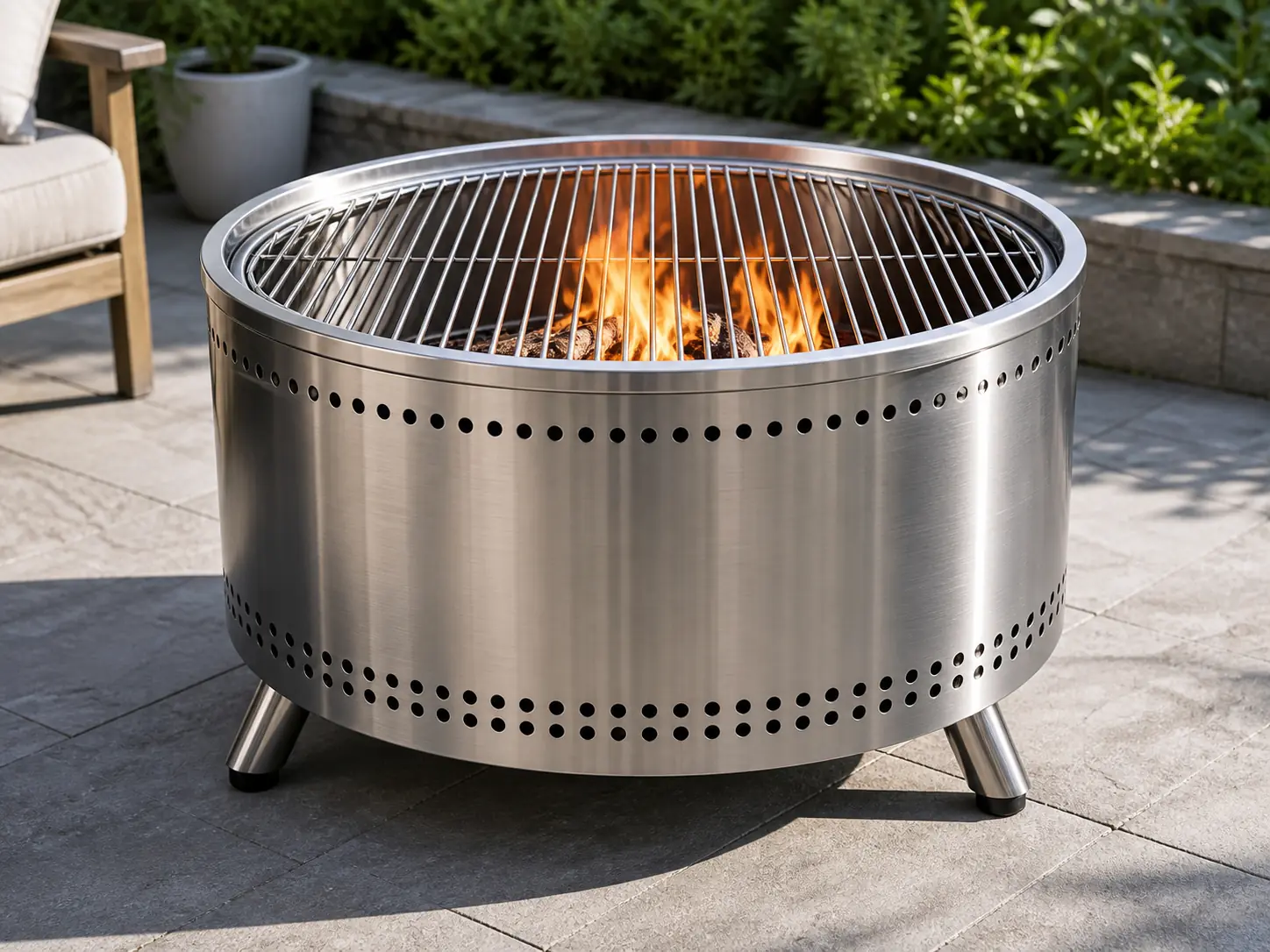
Stainless steel is often considered when corrosion resistance and a clean metal finish are priorities. Grade, thickness, fabrication, maintenance, and exposure conditions all influence service life.
The tradeoff is cost. Buyers should confirm grade, thickness, finish, and whether the product will face high heat, moisture, or repeated packing friction.
2. Coated Steel and Cast Iron
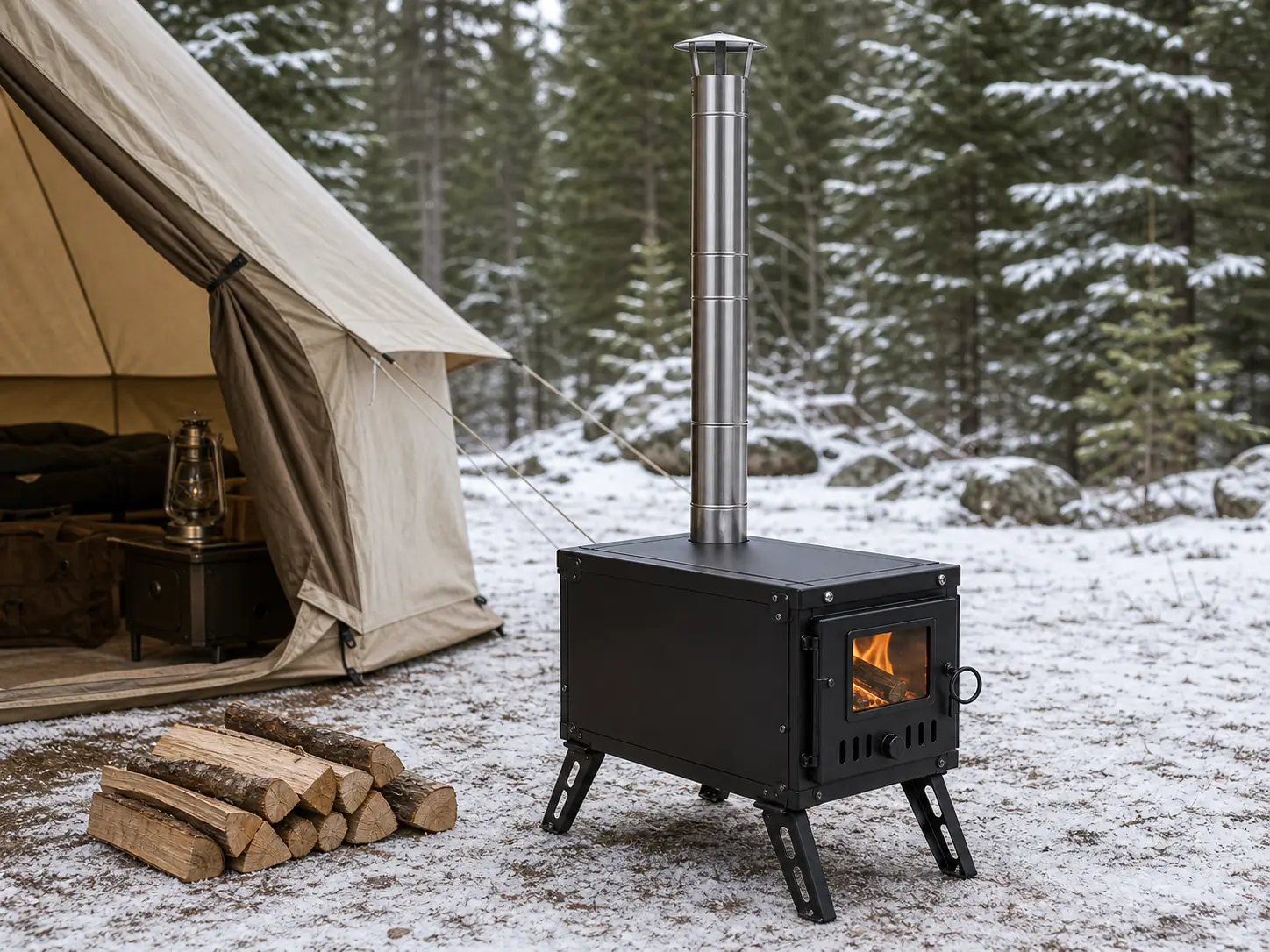
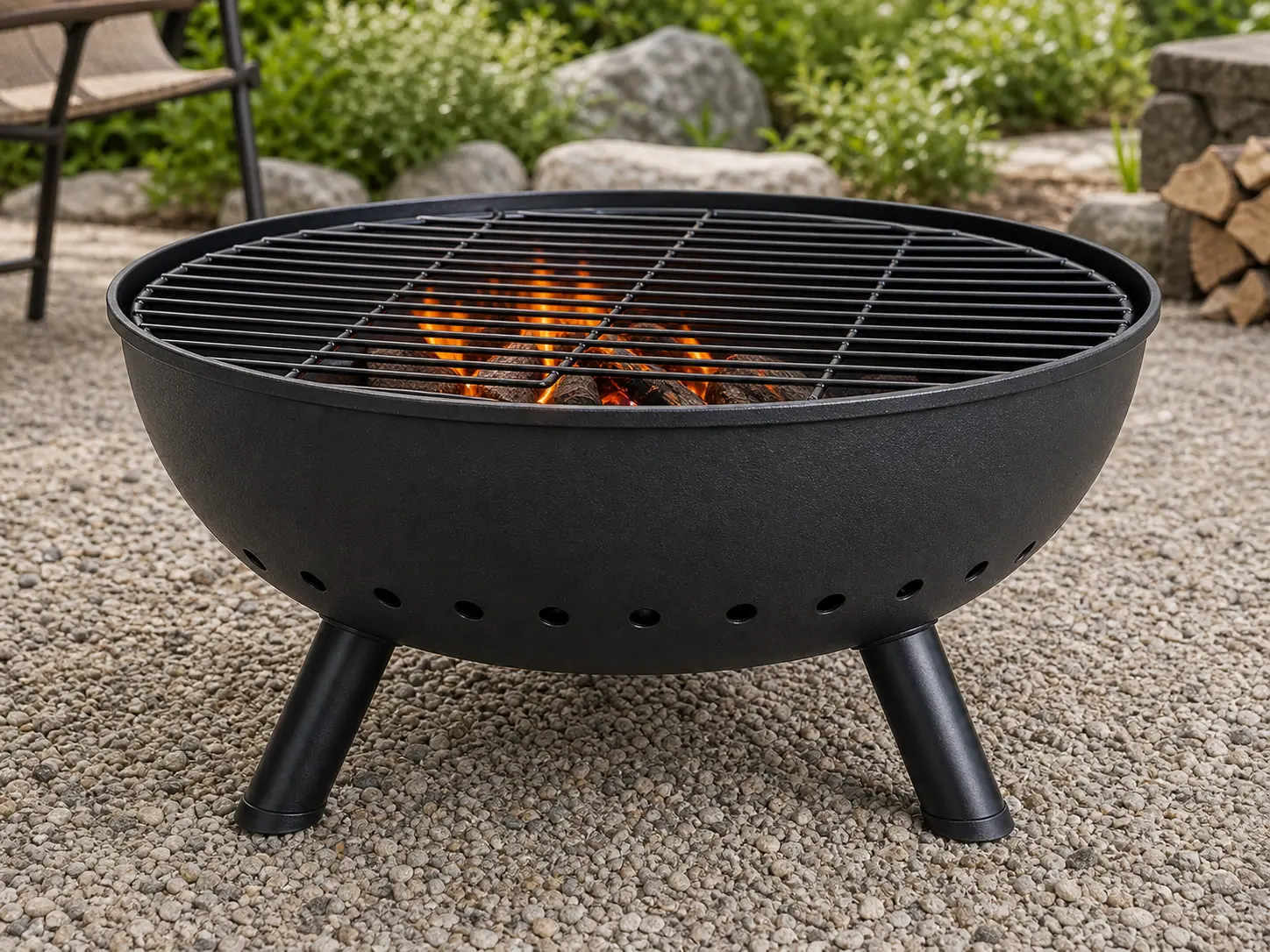
Coated carbon steel can provide strong structure and competitive cost, making it a common choice for fire pits, tent stoves, and larger outdoor products. Coating quality and rust prevention need careful review.
Cast iron offers heat retention and rugged feel, but it is heavy. It is more suitable for stationary or vehicle-supported products than lightweight camping kits.
3. Lightweight Alloy
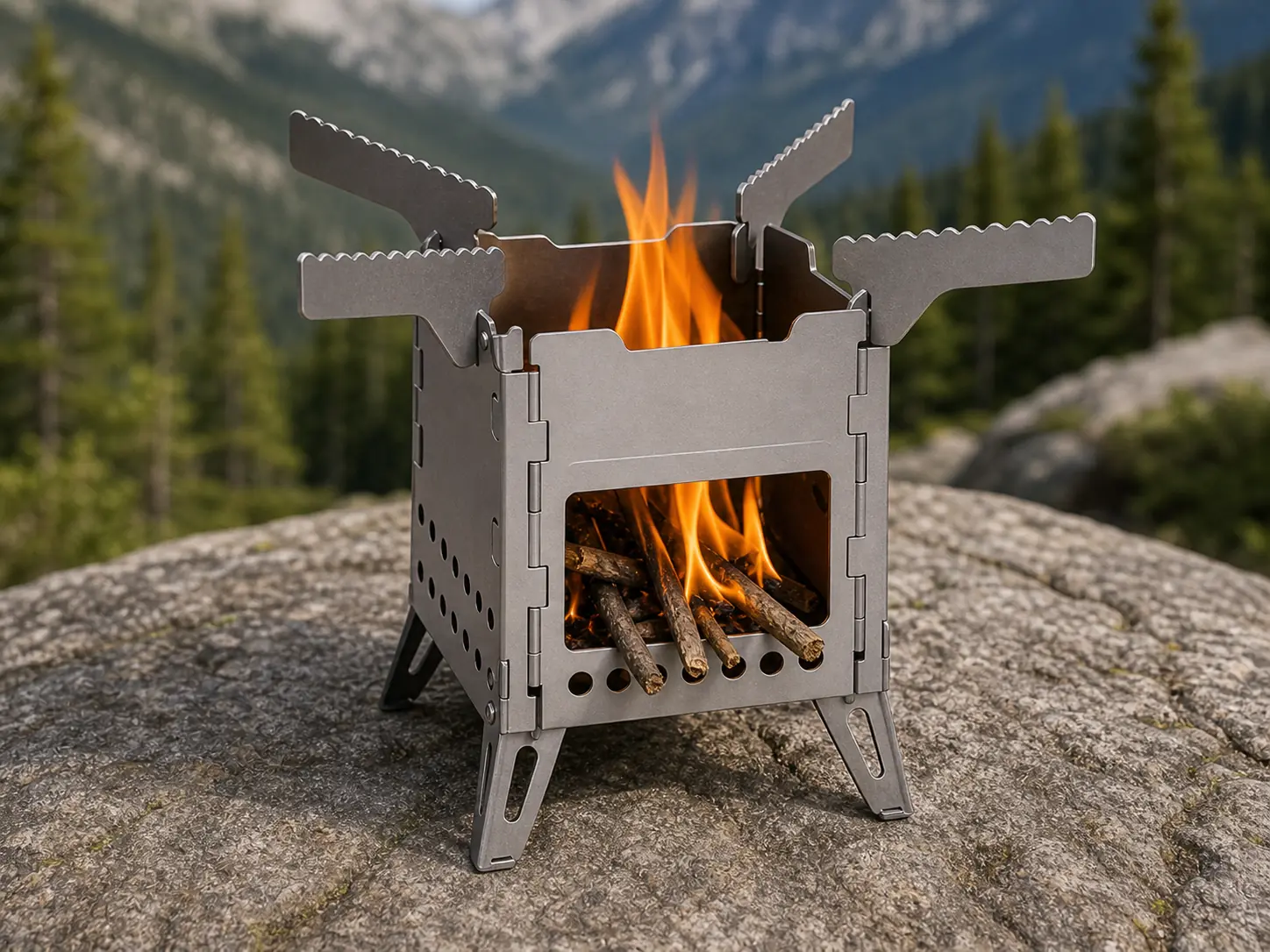
Lightweight alloy options can support portable products, but buyers should check heat resistance, deformation risk, and target user expectations.
A lightweight material route should be paired with realistic use instructions and sample testing under intended cooking or heating conditions.
- Material grade
- Wall thickness
- Coating route
- Weight target
- Corrosion resistance
- Heat deformation risk
NEXT STEP
Choose Material by Use Case and Channel
Material decisions should balance durability, weight, cost, finish quality, and the sales channel. Sample testing is essential before committing to a private-label or wholesale route.
Compare Material Options