Buying Guide
Choose Around the Customer Scenario
A useful buying guide should begin with the customer's real use case. A stove for solo camping, hot tent heating, backyard gatherings, or focused wood-fired cooking will not need the same structure, weight, fuel path, or accessories.
For B2B buyers, the right product also depends on carton size, shipping cost, target retail price, private-label scope, and repeat-order potential.
1. Compare Product Families
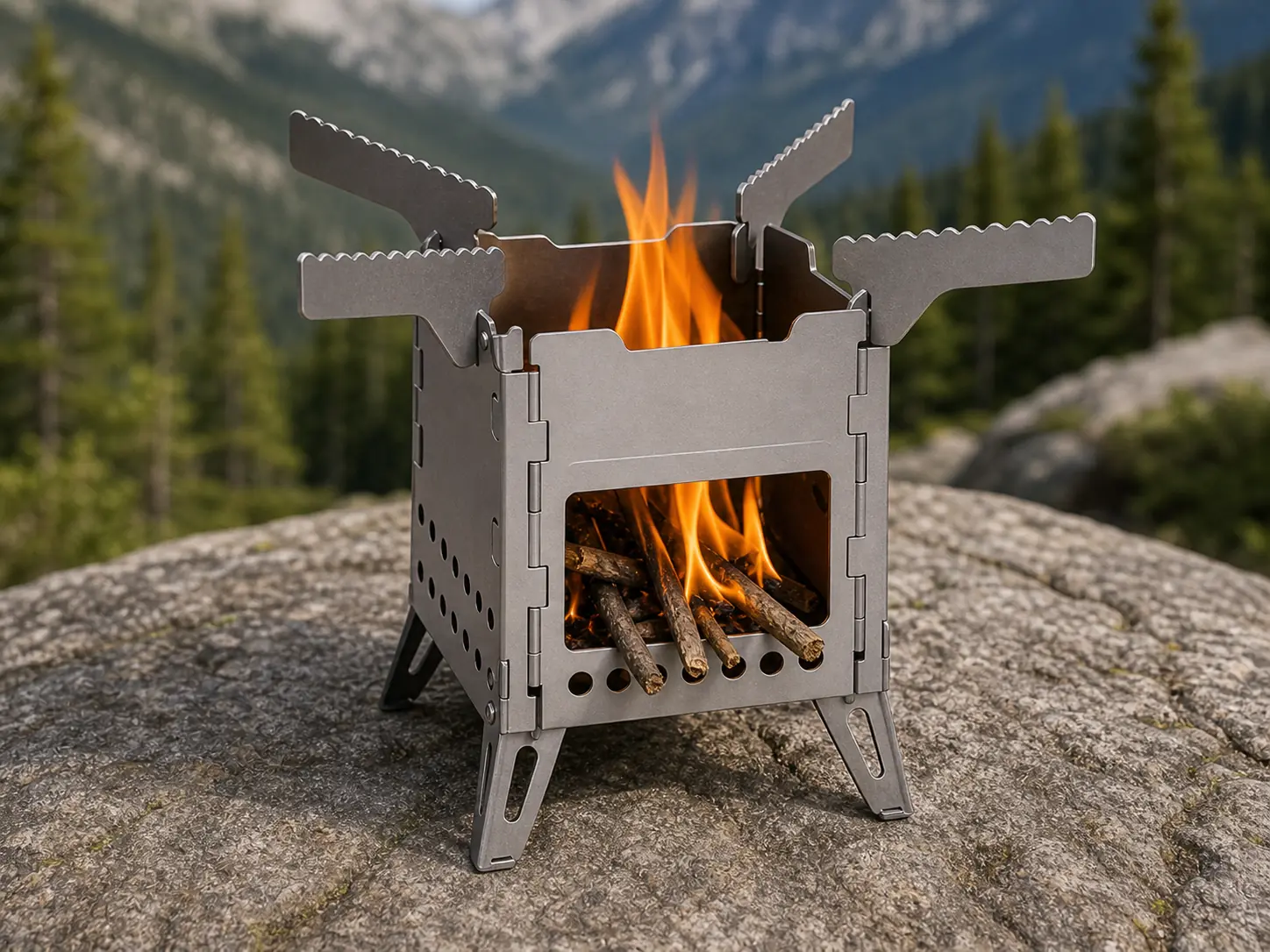
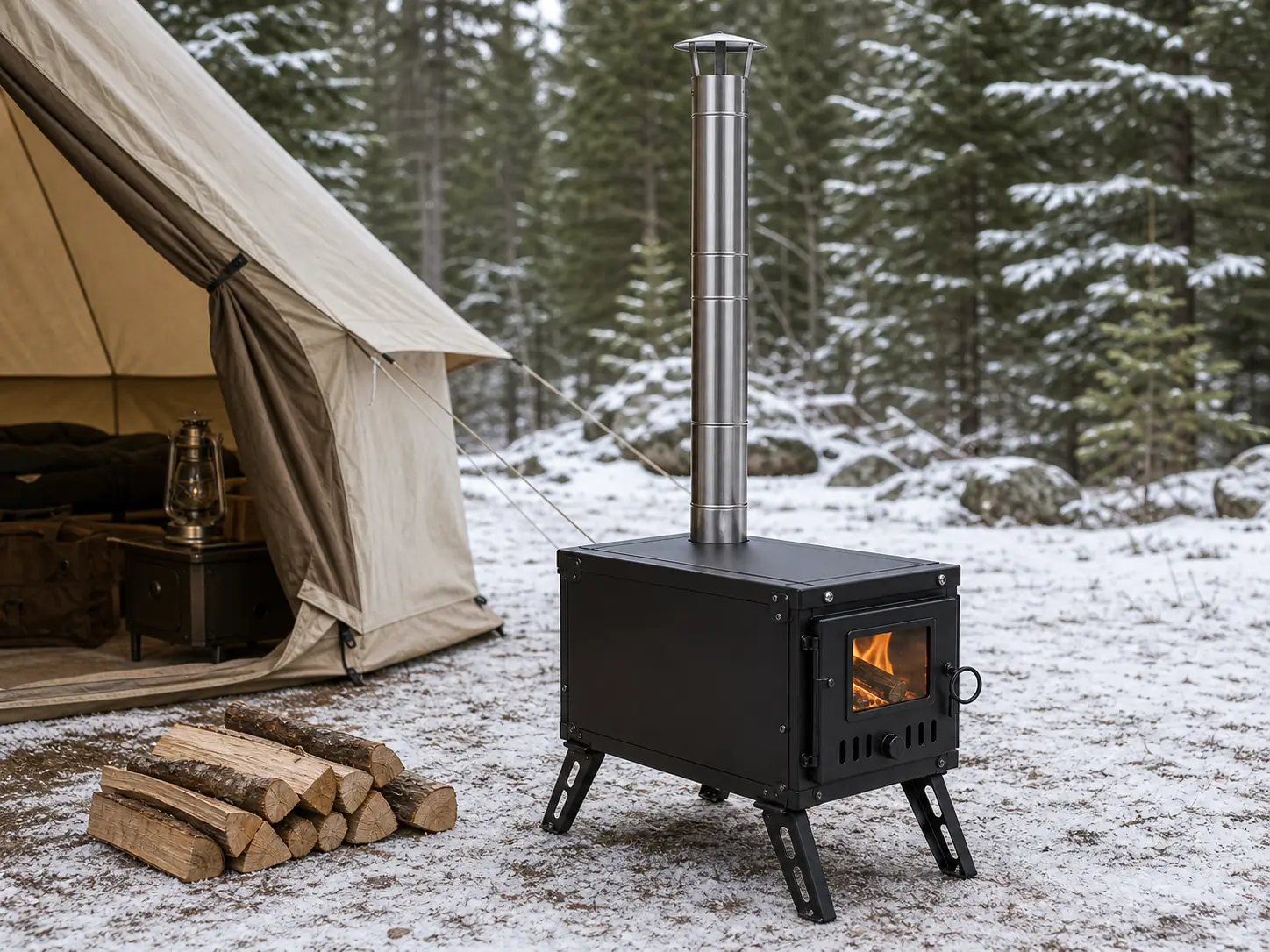
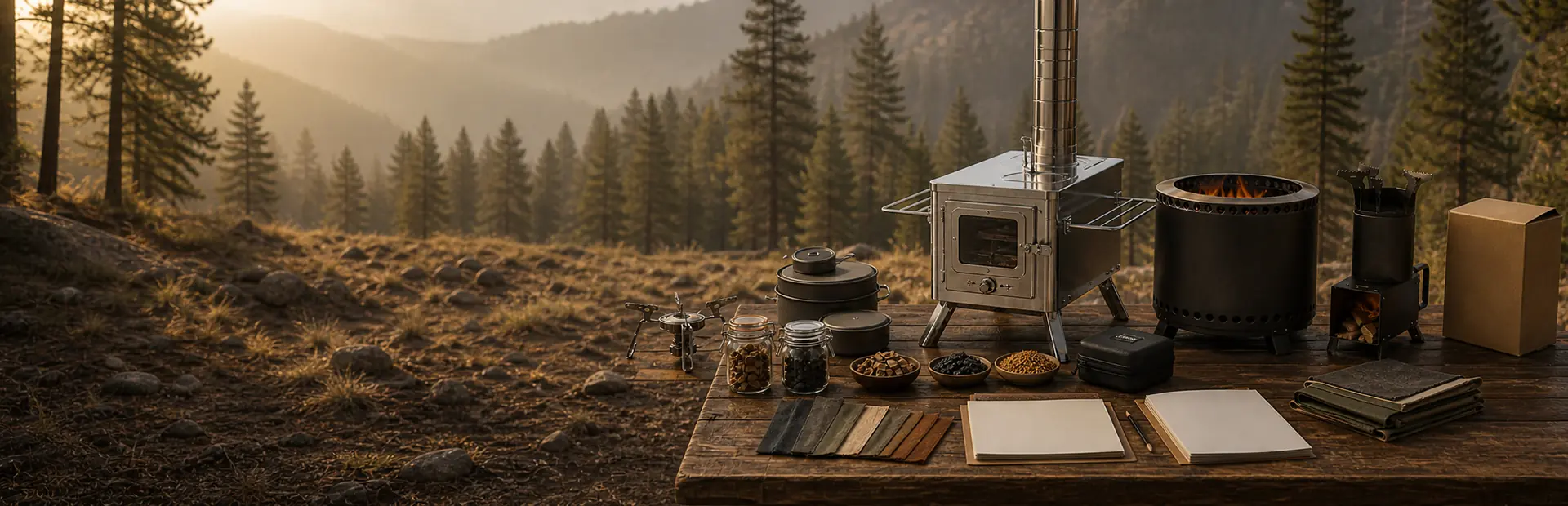
Camping stoves are usually selected for portability, fast setup, and simple outdoor cooking. Tent stoves focus on enclosed heating, chimney routing, and cold-weather comfort.
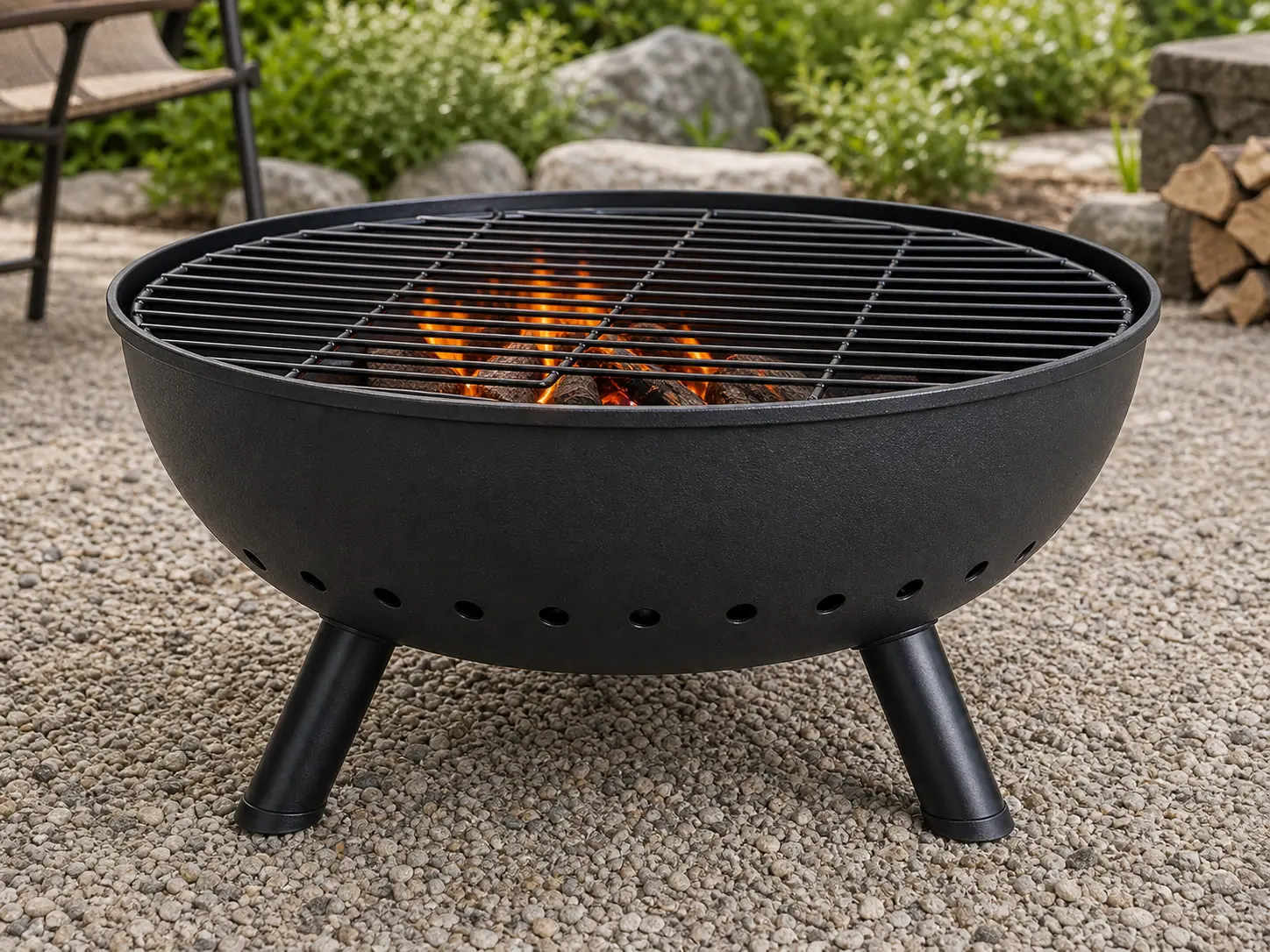
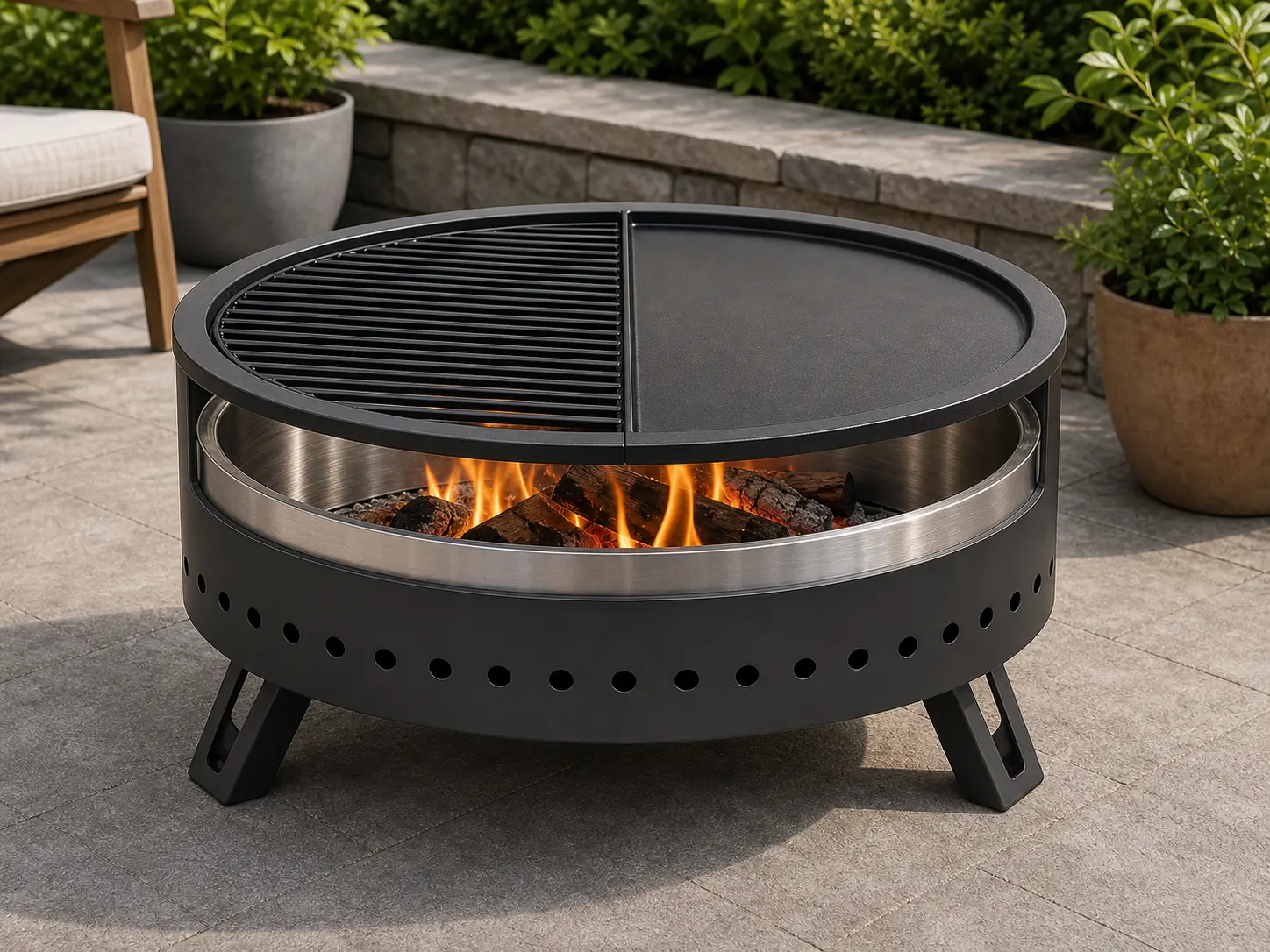
Fire pits are commonly selected for visible flames, backyard use, and cooking accessories. Rocket stoves use a concentrated fuel path and vertical draft structure for focused outdoor cooking.
2. Match Fuel and Cooking Style
Fuel availability changes the product decision. For wood-burning models, buyers should review the airflow layout and ash-handling arrangement; charcoal- and pellet-compatible configurations require their own material, loading and test review.
Buyers should also confirm whether the end user will boil water, grill food, heat a tent, bake, or use the stove as a social fire feature.
3. Check Packing and Accessories
Packing is part of the product. A compact stove with smart nesting can improve shipping efficiency, while a larger fire pit may need more protective carton design and a clearer accessory layout.
Accessory planning should happen early because carry bags, grill plates, chimneys, spark arrestors, ash trays, and replacement parts all affect price and carton design.
- Product family
- Fuel type
- Target user count
- Cooking function
- Packed size
- Accessory set
- MOQ
- Private-label scope
NEXT STEP
Start with the Product Route
Before requesting samples, define the customer scenario, fuel type, cooking function, packed-size target, and customization needs. This makes product selection faster and reduces unnecessary sampling cost.
Request Buying Advice