OEM Knowledge
A Clear Brief Helps Suppliers Quote Accurately
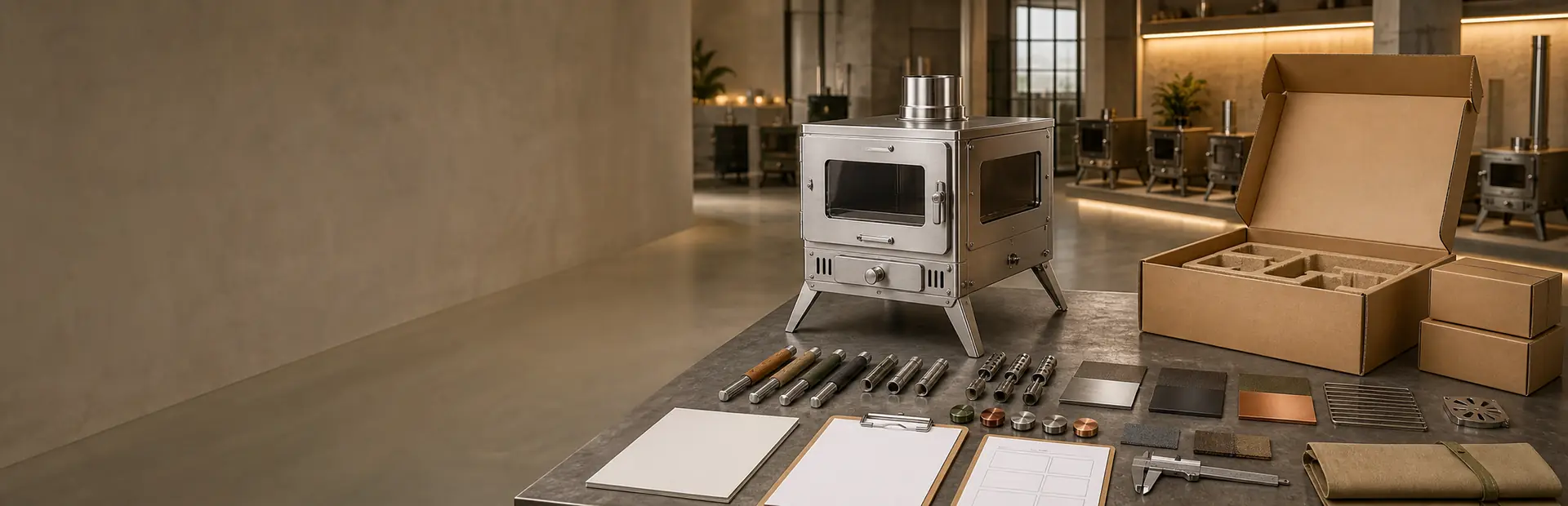
OEM and ODM projects move faster when the buyer prepares a clear brief. Product family, target market, order quantity, customization points, packaging route, and sample expectations should be aligned before quotation.
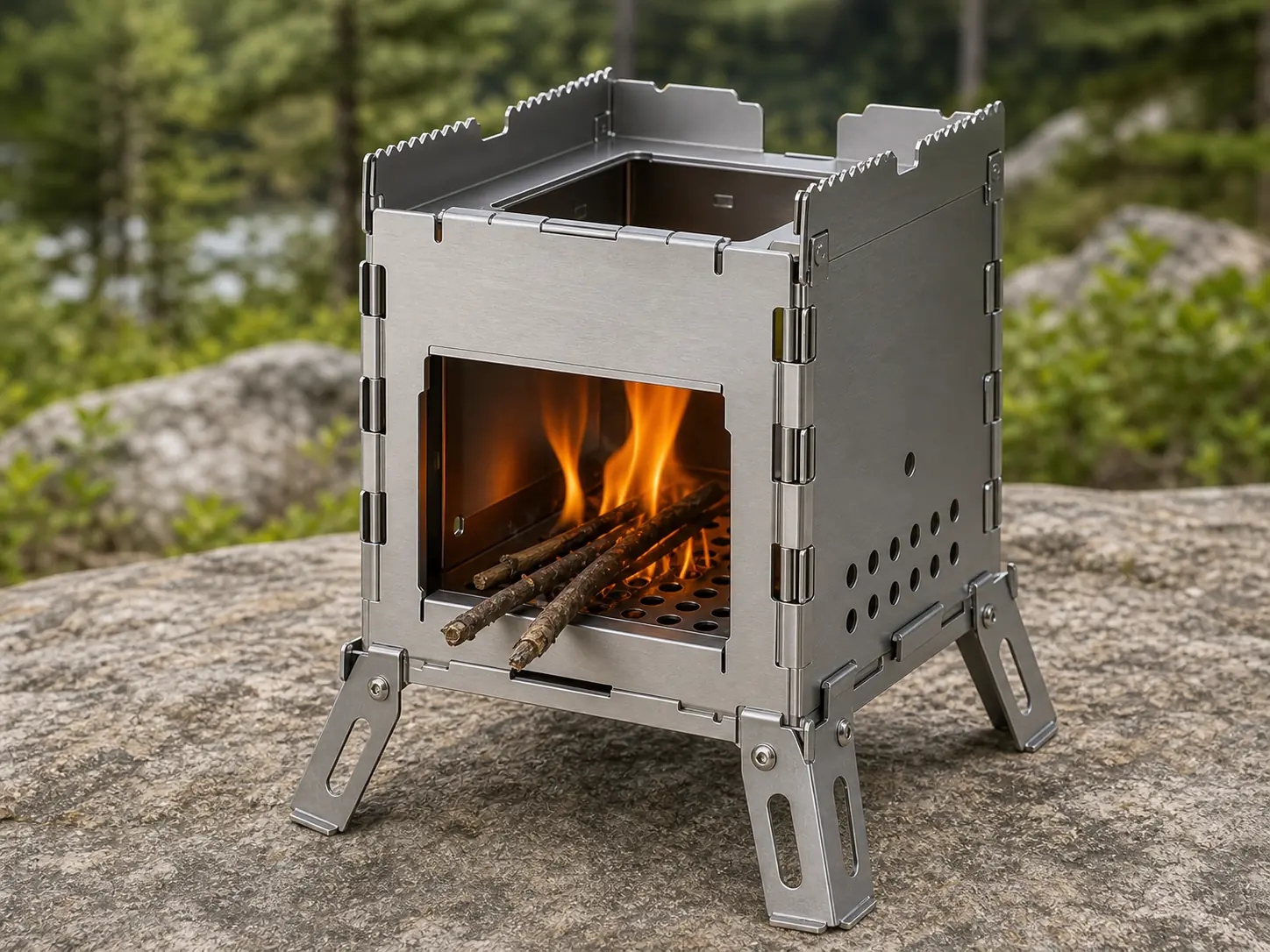
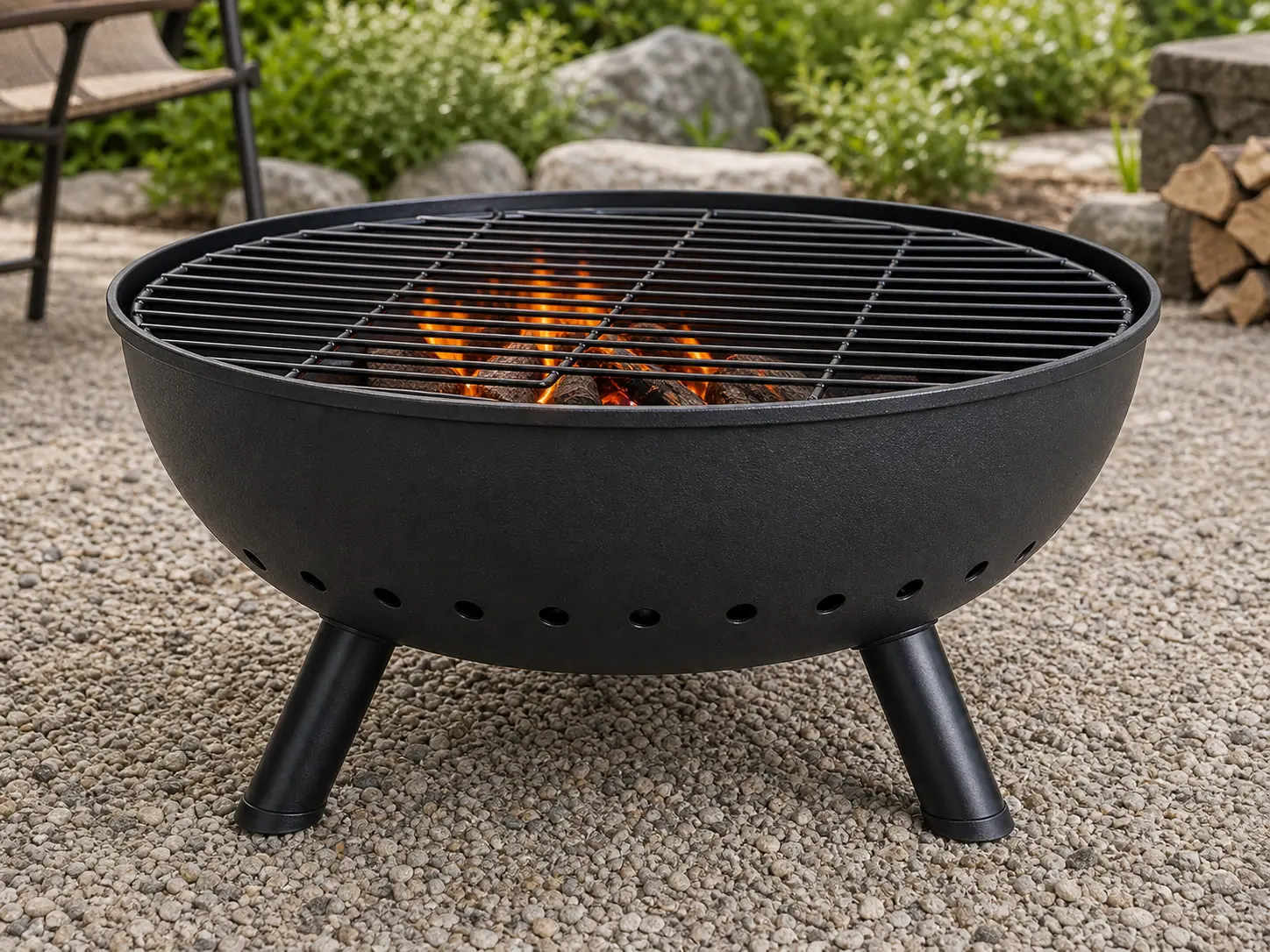
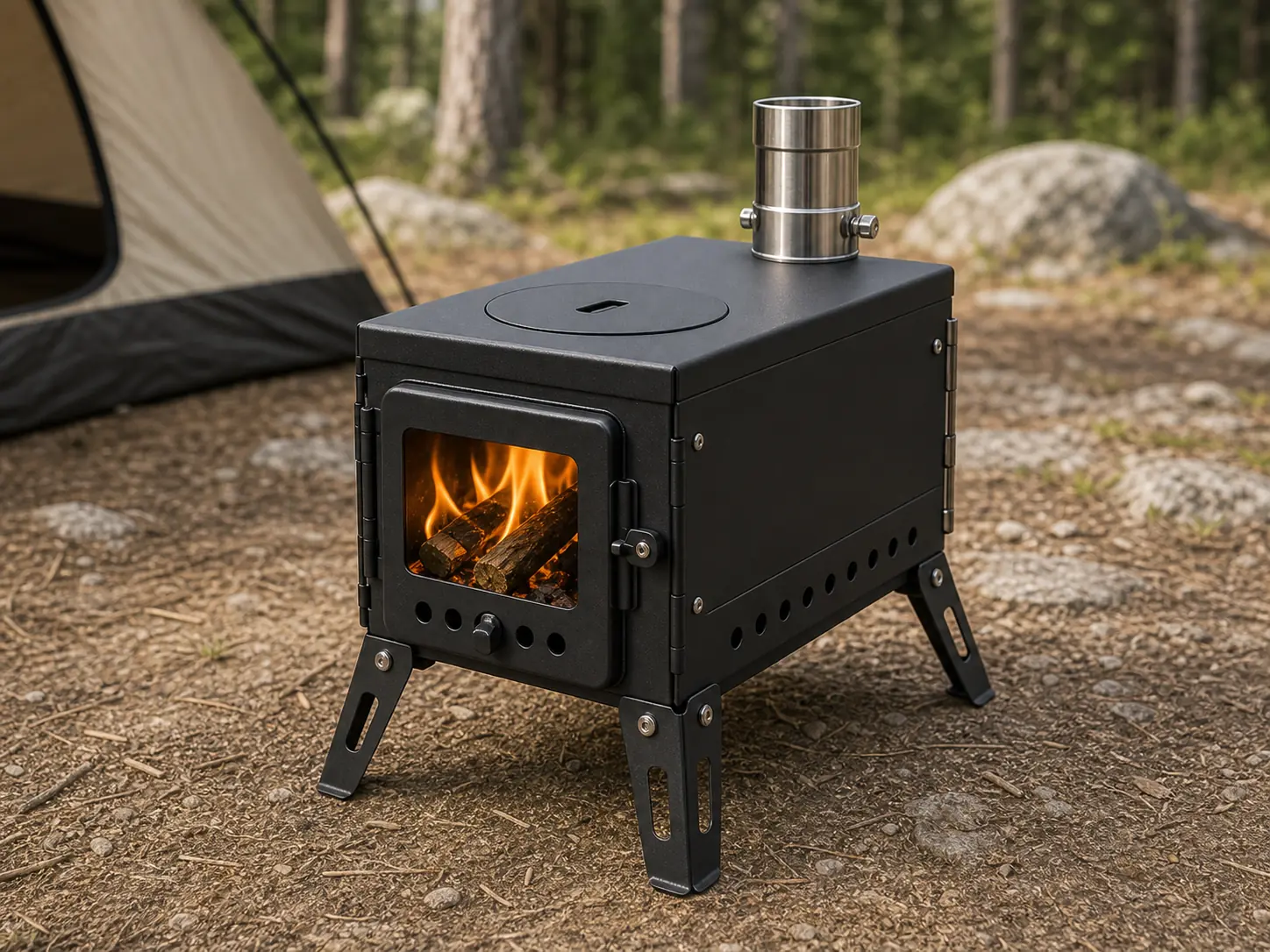
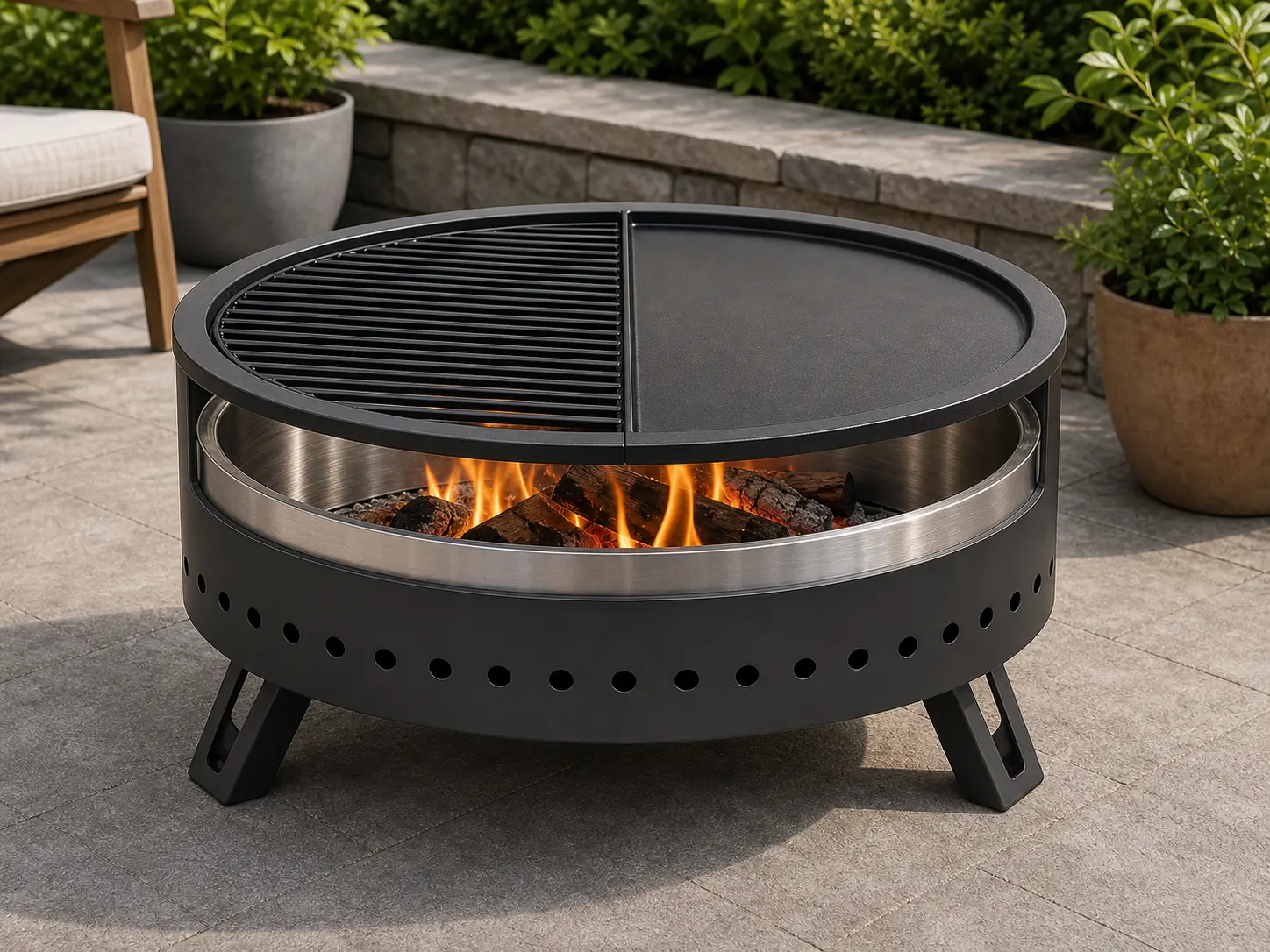
For outdoor stoves, small details can affect cost and production risk. Material, finish, logo placement, accessory set, carton protection, and manual quality should all be part of project planning.
1. Define OEM or ODM Route
OEM is generally a better fit when the buyer already has product drawings, specifications, or defined brand requirements. ODM may suit buyers who want to evaluate an existing supplier model and apply selected customization.
Choosing the route early helps clarify timeline, sample cost, tooling needs, and how much engineering review is required.
2. Plan Customization Scope
Private-label customization can include logo, finish, packaging artwork, manual, accessory set, carton marks, and selected structural details.
Not every customization has the same MOQ or lead-time impact. Buyers should separate must-have requirements from optional upgrades.
3. Prepare for Production and Export
After sample approval, the project should move into production planning, inspection criteria, packing design, document preparation, and shipping coordination.
Good export packing protects the stove body, coating, glass, chimney sections, and accessory components while keeping carton volume under control.
- Product type
- Target market
- Customization scope
- Logo method
- Accessory list
- Carton design
- Sample approval
- Inspection criteria
NEXT STEP
OEM Knowledge Is Project Control
The more complete the project brief, the easier it is for the factory to recommend a sample plan, quotation, production schedule, and export packaging method.
Share Your OEM Brief