Project Planning
A Useful Project Plan Connects Each Decision
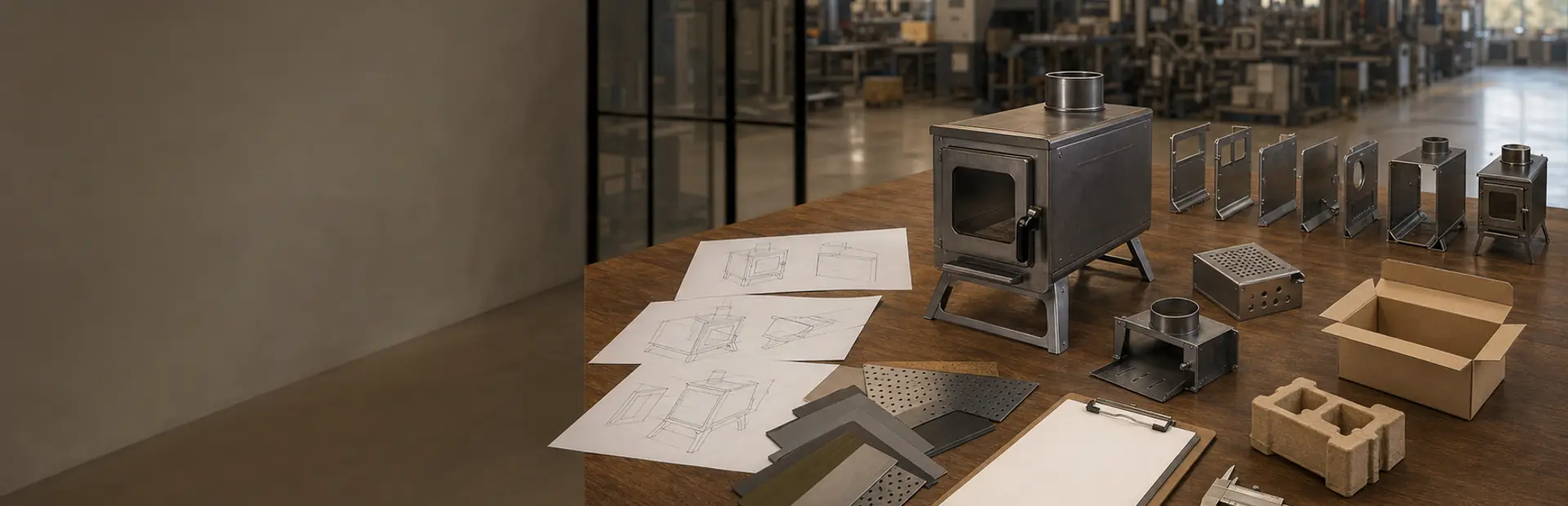
For an outdoor stove project, a useful plan connects the customer scenario, product concept, sample review, manufacturing requirements, packaging, and shipment preparation.
This framework helps buyers understand what information is needed before a factory can recommend the right model, customization path, and inspection plan.
1. Start with the Product Concept
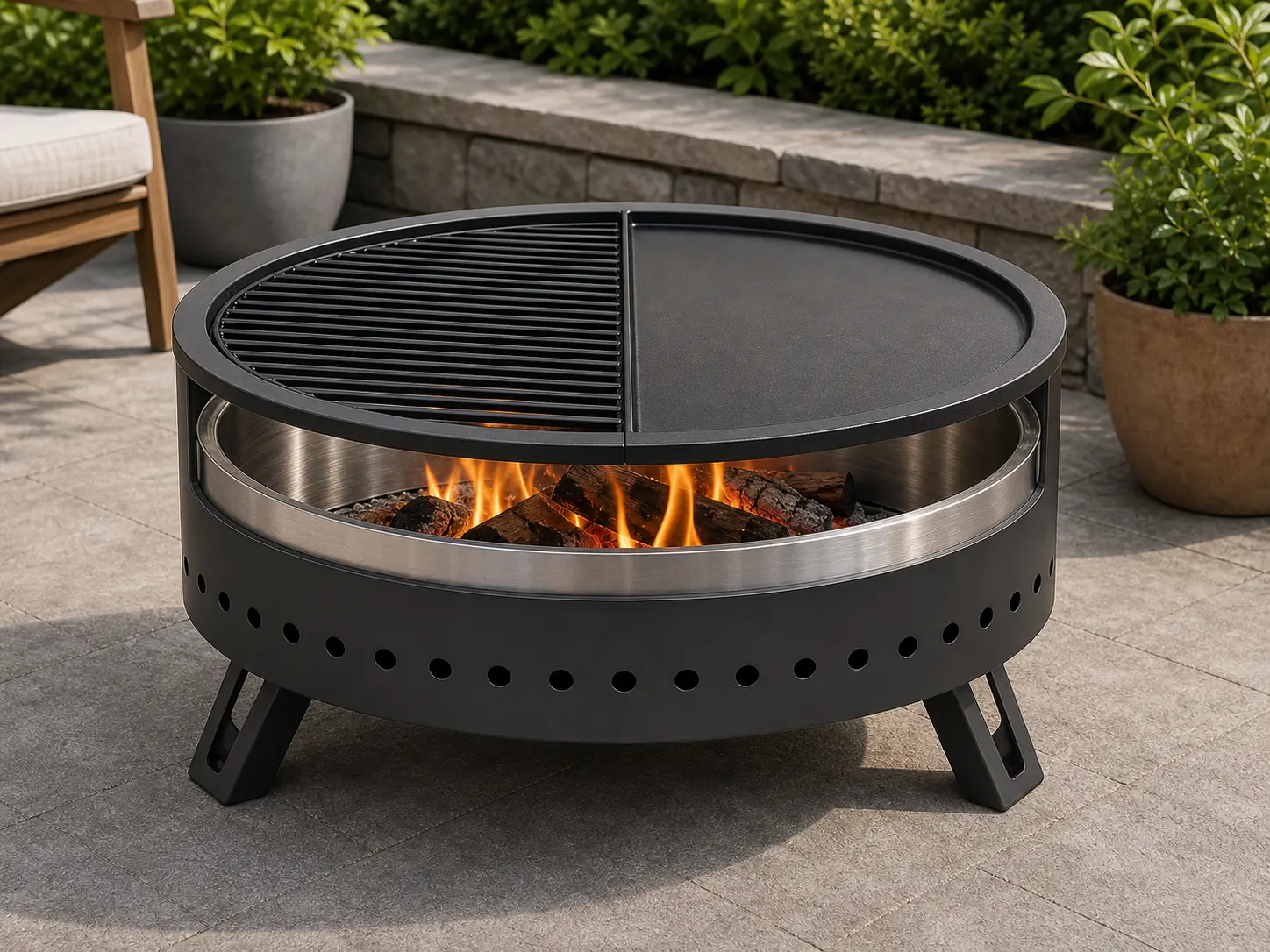
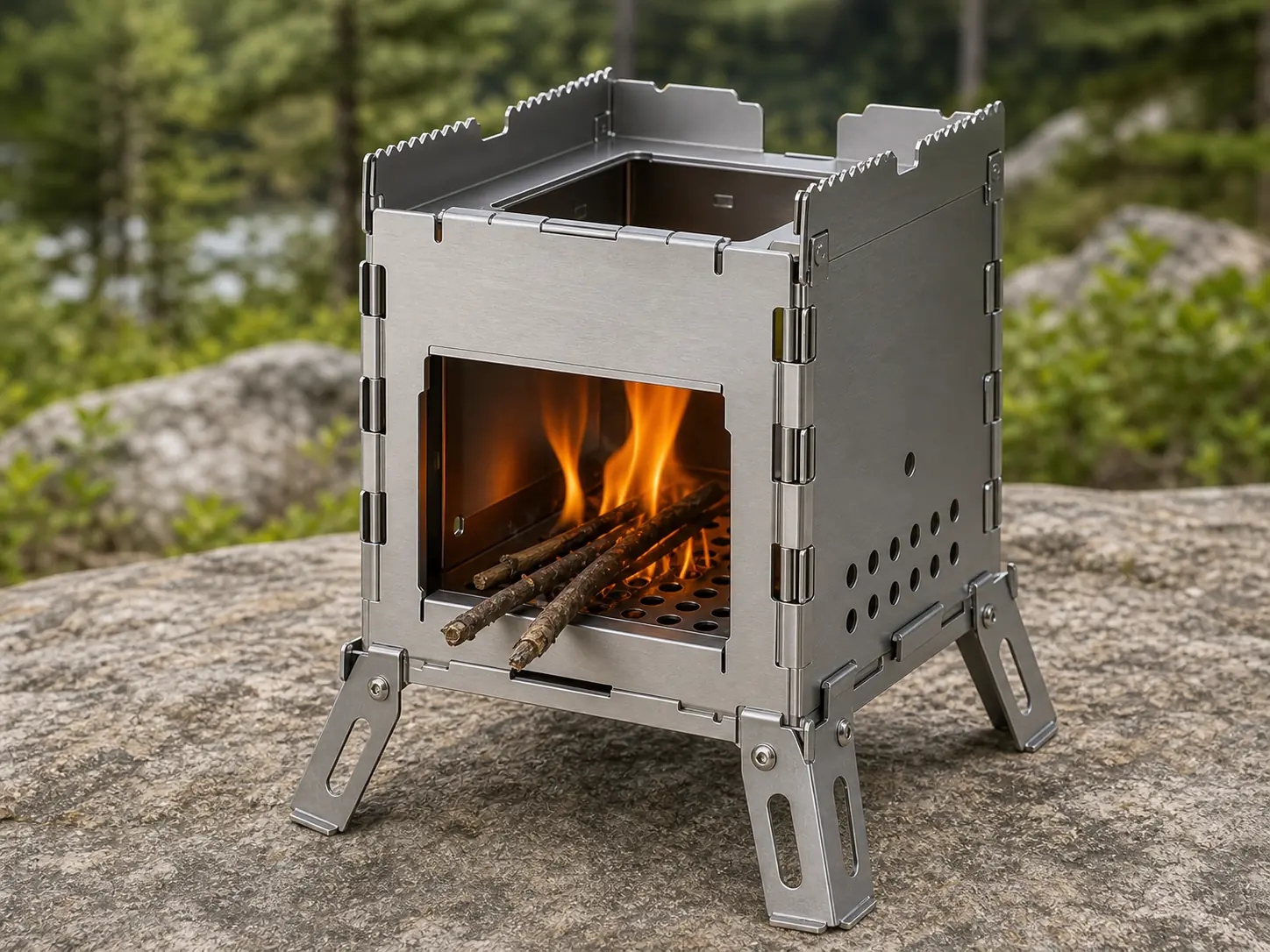
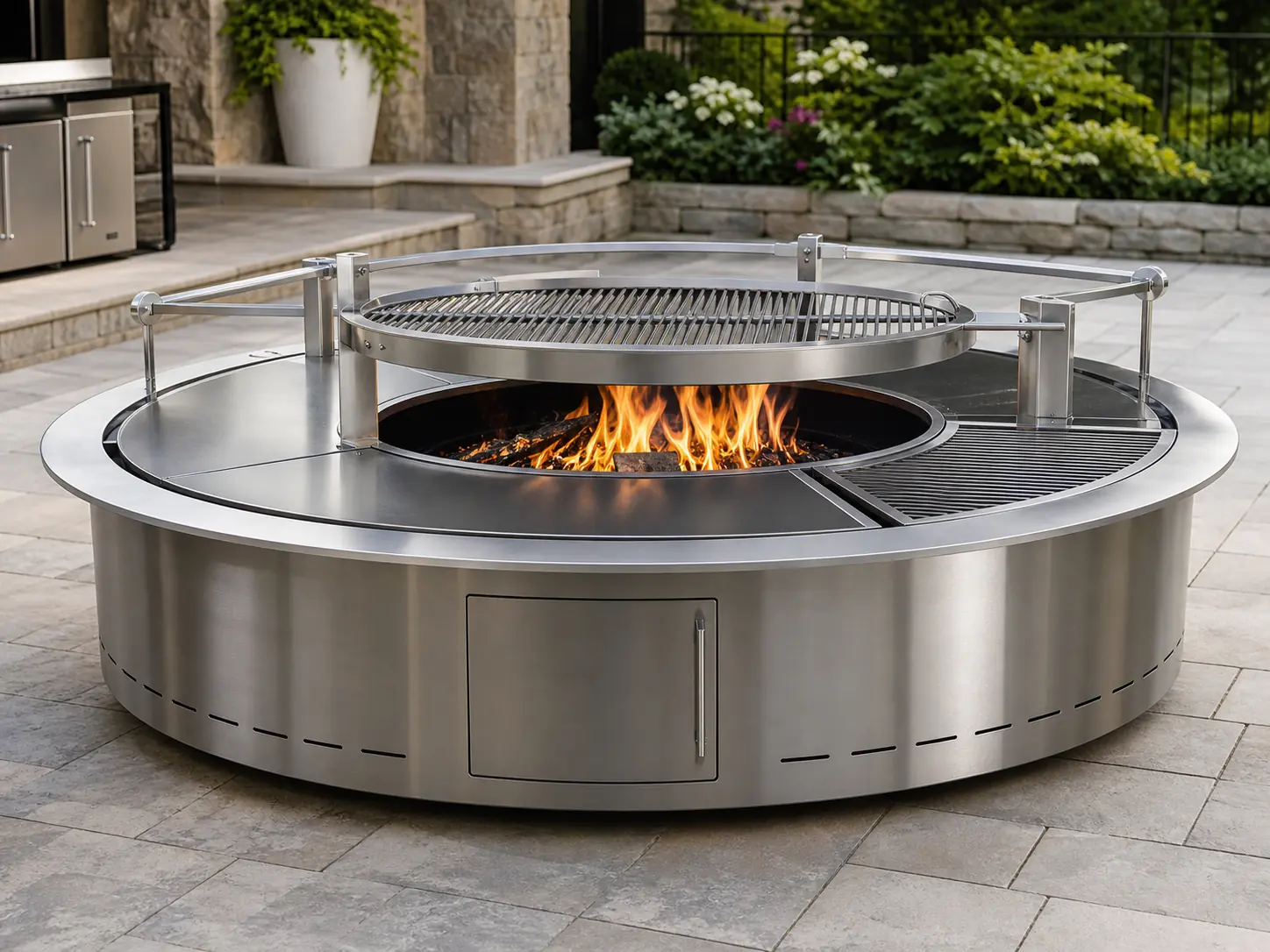
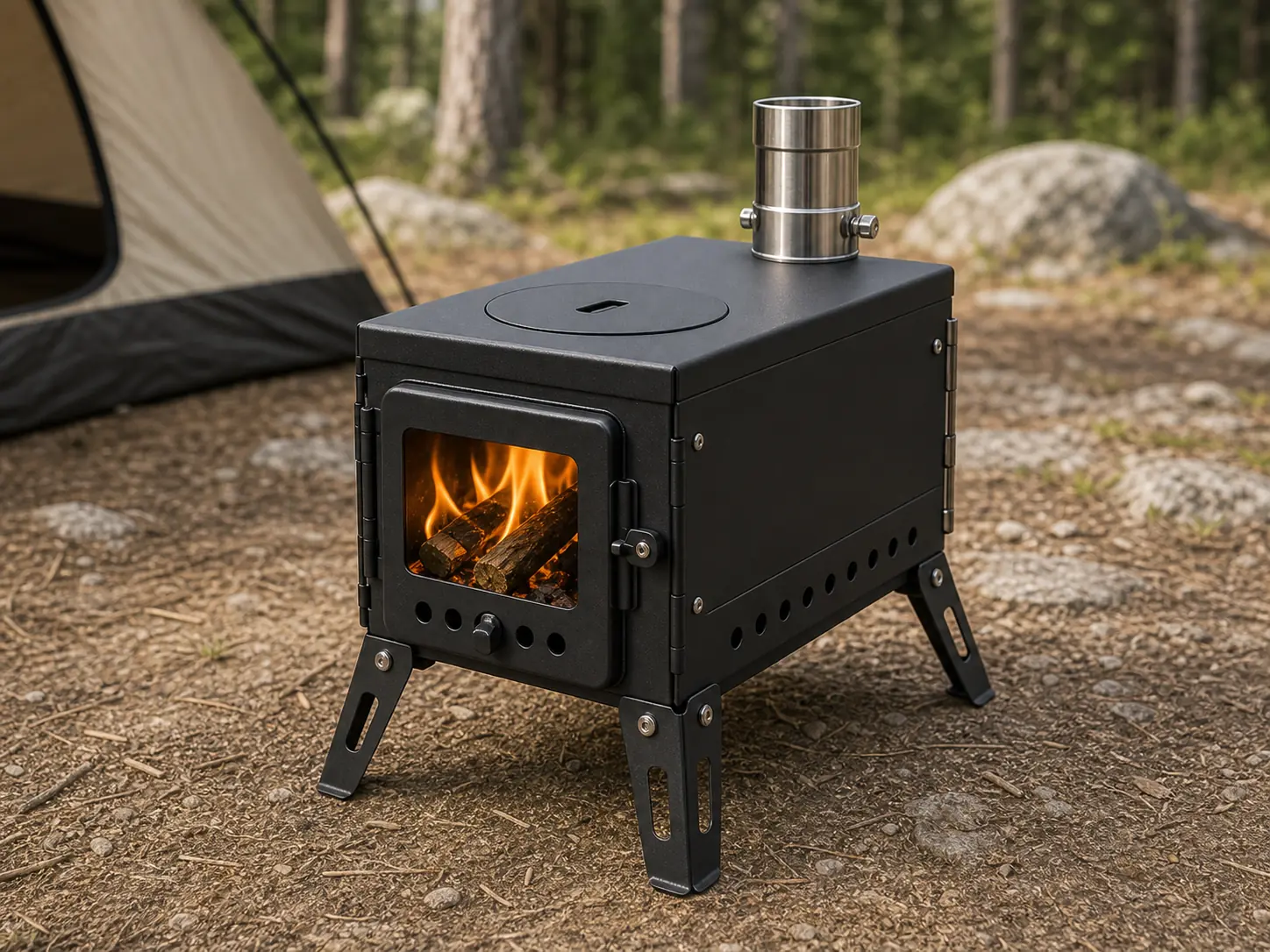
The first step is to define the use case: campsite cooking, hot-tent heating, backyard gatherings, compact wood-fired cooking, or a private-label product line.
The concept should include customer group, fuel type, target price, product size, desired accessories, and sales channel.
2. Review the Sample and Manufacturing Requirements
A prototype or sample should be reviewed for structure, material, finish, assembly, airflow, accessory fit, and packing. The manufacturing plan then confirms forming, welding, coating, assembly, inspection, and packaging steps.
If the project uses an existing ODM model, the route may be faster. If it requires OEM structural changes, sample and tooling review become more important.
3. Convert Approved Decisions Into a Production Plan
A complete plan records the approved sample, accessory list, carton layout, inspection criteria, shipment requirements, and after-sales spare parts.
This gives the buyer a repeatable route instead of a one-time product trial.
- Use scenario
- Target customer
- Sample review
- Factory process
- Accessory plan
- Packing route
- Inspection points
- Repeat-order plan
NEXT STEP
Clear Planning Reduces Project Ambiguity
A structured project file turns a product idea into clear requirements for sample approval, manufacturing, inspection, and export packing.
Discuss Your Project Requirements